Long before K-pop filled stadiums and Korean cinema earned global acclaim, the peninsula's artists were casting temple bells, shaping delicate ceramics, and capturing mountains in ink. That older cultural world now takes centre stage at the British Museum in London, which has opened its first major exhibition on Korean art and history in more than four decades.
Entitled simply 'Korea', the show spans from 300 BC to the present day, bringing together 100 objects that trace the beliefs and traditions that have shaped Korean artistic expression. Among the exhibits are ten national treasures and thirteen other officially designated treasures, a recognition of their cultural and historical significance, according to Samsung, the exhibition's corporate partner.
From Goryeo celadon to Joseon porcelain
The display moves chronologically, beginning with the luminous blue-green ceramics of the Goryeo dynasty (918–1392), which are prized for their subtle glazes and inlaid decoration. Visitors then encounter the restrained white porcelain of the Joseon dynasty (1392–1910), a style shaped by Confucian ideals of simplicity and modesty. Together, these works illustrate how Buddhism and Confucianism alternately influenced Korean art over the centuries.
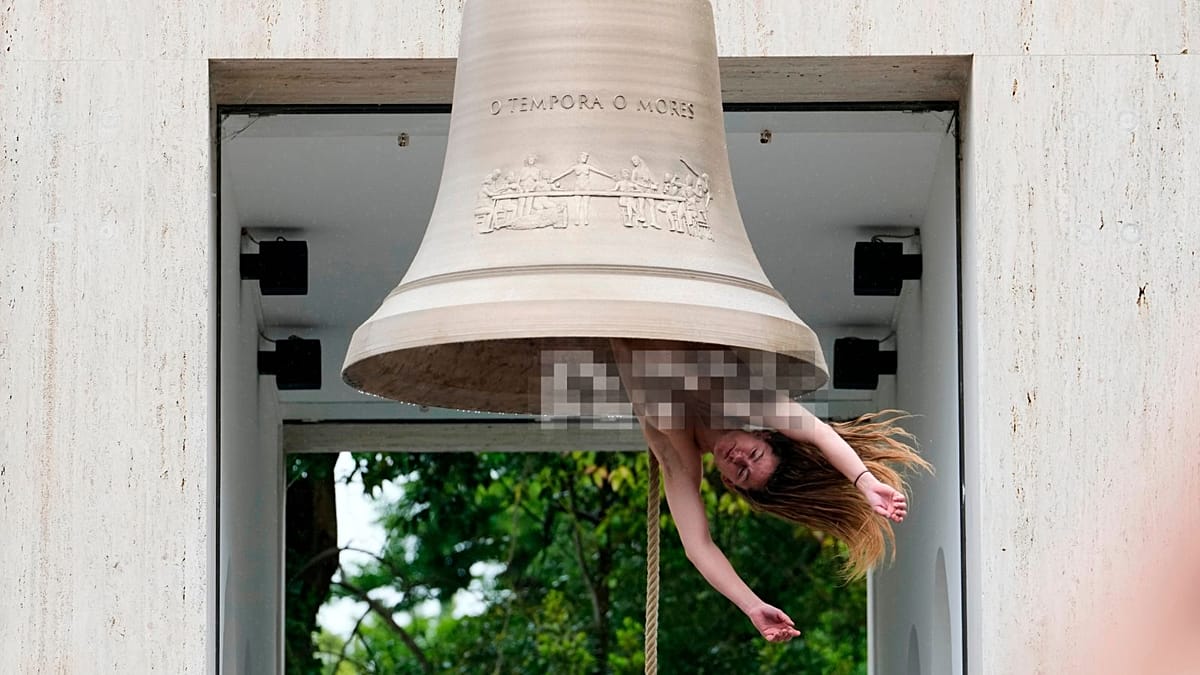
One of the most striking objects is a 900-year-old incense burner crowned with a mythical creature, the girin, a symbol of wisdom and benevolence. A massive Buddhist temple bell, cast around 1,000 years ago, also dominates the gallery, its deep resonance once calling monks to prayer.
For the exhibition's curator, Yoojin Kwak Choi, the “absolute star exhibit” is Jeong Seon's Clearing After Rain on Mount Inwang. Jeong Seon, an 18th-century painter of the Joseon dynasty, is credited with shifting Korean landscape painting away from idealized Chinese-style scenes towards depictions of the country's actual scenery. His work marks a pivotal moment in Korean art history, when artists began to look inward at their own land.
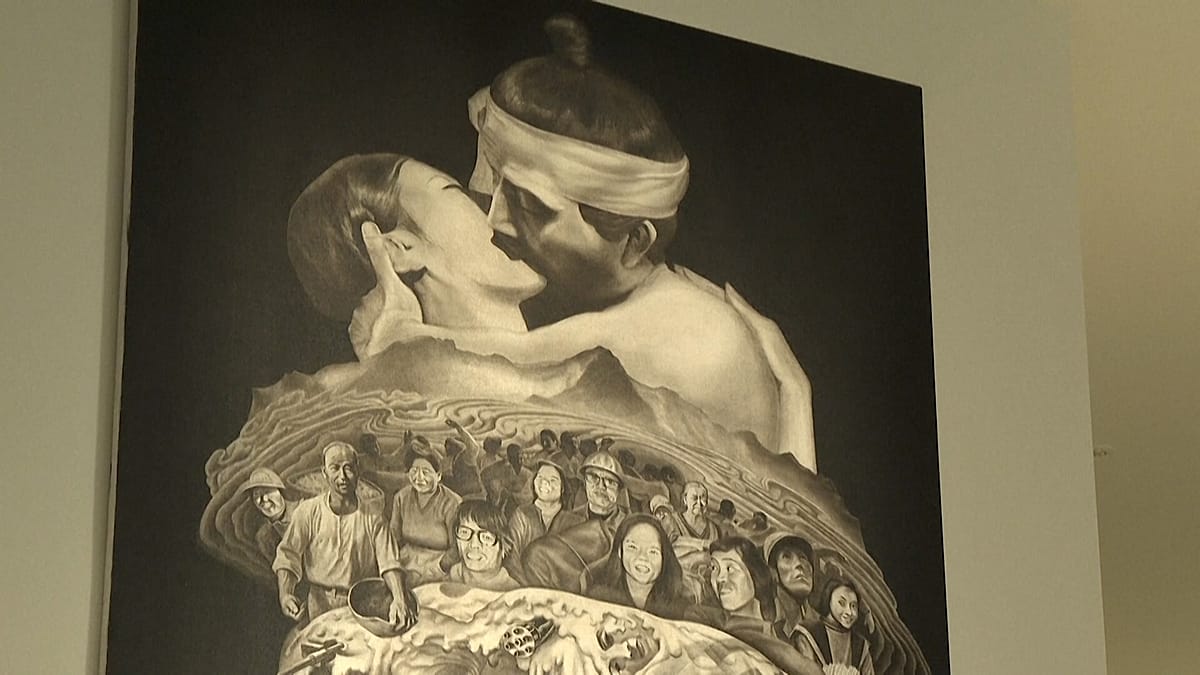
Modern craftsmanship is also represented. Yeesookyung's 2018 vase, for instance, is made from ceramic shards collected from both North and South Korea. In Korean artisanal tradition, imperfect work is destroyed, so the artist has taken broken fragments from that destruction and painstakingly glued them together with gold leaf, transforming flaws into beauty.
Most of the exhibits come from the collection of the late Samsung chairman Lee Kun-Hee, who amassed a vast art collection over his lifetime. After his death in 2020, his family donated more than 23,000 works to South Korean national museums, making this exhibition possible.
“Some people might think that Korean culture is new, but it is thousands upon thousands of years old,” said Benjamin Braun, Samsung Europe's chief marketing officer. For visitors drawn to Korea through its music and cinema, the exhibition opens a door onto that longer history.
The British Museum's decision to host this show reflects a broader European interest in Korean culture, which has surged in recent years thanks to the global success of K-pop and Korean films. Yet this exhibition reminds audiences that the peninsula's cultural heritage runs far deeper than contemporary pop culture. As European museums increasingly diversify their programming, this London show offers a rare opportunity to explore the artistic legacy of a nation that has long been a bridge between China and Japan.
For those planning a visit, the exhibition is a chance to see objects that rarely travel outside South Korea. It also complements other cultural events in the city, such as the recent set-jetting trend that has drawn tourists to filming locations across Europe, though this show offers a more contemplative experience.
As Europe's cultural calendar fills with events tied to Asian pop culture, 'Korea' stands out for its historical depth. It is a reminder that the peninsula's artistic achievements are not a recent phenomenon but the product of millennia of innovation and belief.