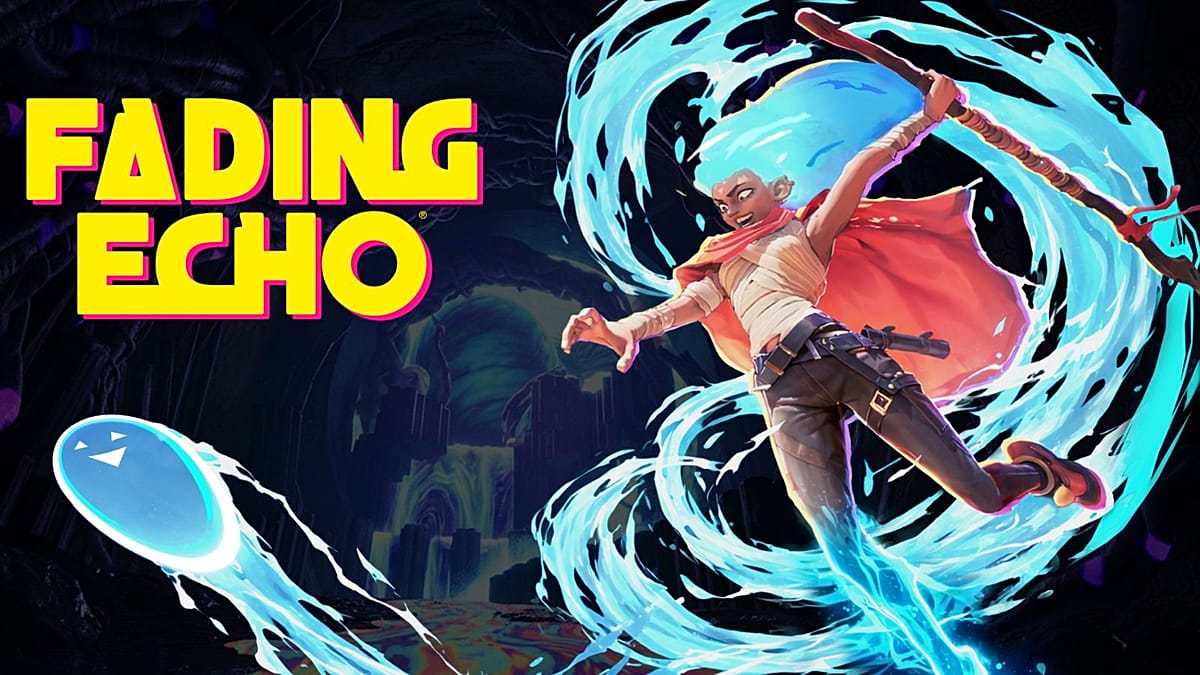
In an industry increasingly dominated by AI-generated content and blockbuster budgets, independent game studios are fighting for survival—and for a better future. Emeteria, a Lyon-based developer and part of the New Tales group, is preparing to release its debut title, Fading Echo, later this year on PC, PlayStation 5, and Xbox Series X|S. The game, with its comic-inspired art direction, casts players as a character who shifts between human and aquatic forms, tasked with saving a fractured world from corruption.
Elise Marchouba, Senior Producer at Emeteria, describes her role as akin to a creative producer—someone who figures out the right order to assemble a car so it runs. In an interview, she discussed the challenges facing independent studios, the stereotypes that persist in gaming, and how Fading Echo navigates environmental themes without being preachy.
From Tabletop to Console
Fading Echo originated as a tabletop role-playing game, Dungeons & Dragons-style, created by Emeteria's CCO. The studio itself was founded after Blizzard shut down its French operations, with senior management deciding to launch their own venture. Emeteria started as a publisher, with a branch in Paris that collaborates with studios worldwide—including, as Marchouba notes, the first console game from Madagascar. The Lyon studio is an embedded developer, working hand-in-hand with the publishing arm.
The game's core story involves a world where realities have imploded. Players must travel through different realities, bringing water back to their bastion to power it up and escape a dying island. While the environmental theme is evident, Marchouba explains that the team deliberately moved away from being too on-the-nose. “We don’t want to be too linear,” she says. “You have to find a way to fuse what we want to say with gameplay mechanics, because if we shove an idea down someone's throat and the gameplay isn't fun, we've completely failed.”
One of the game's key mechanics is a corruption system: a little corruption makes the player powerful, but too much leads to death. This, Marchouba says, sparked intense internal debate about how to balance messaging with fun.
Richer Narratives in a Complicated World
Marchouba believes that the trend toward more complex, layered storylines in games is inevitable, reflecting the complicated times we live in. She points to the studio's lead writer, based in the United States, who worked on the game for three years. Weekly video calls often began with checking in on each other's well-being. “It's impossible to work with someone like that and not have some of those themes come through,” Marchouba says. “Our job is not to lecture, but to pose questions and get people thinking.”
She argues that video games can have a cultural impact on par with other art forms, but financial pressure remains a major obstacle. While games like Fortnite have become social spaces, independent studios struggle to compete with AAA publishers that command the lion's share of marketing and development budgets. The rise of AI-generated content adds another layer of pressure, as studios must differentiate themselves from what Marchouba calls “AI slop.”
For Emeteria, the goal is to create a game that is both commercially viable and culturally resonant. As the industry grapples with automation and consolidation, studios like this one are betting that thoughtful, handcrafted experiences will find an audience. Fading Echo is set for release later this year, and its success could signal whether independent European studios can thrive in an increasingly challenging landscape.