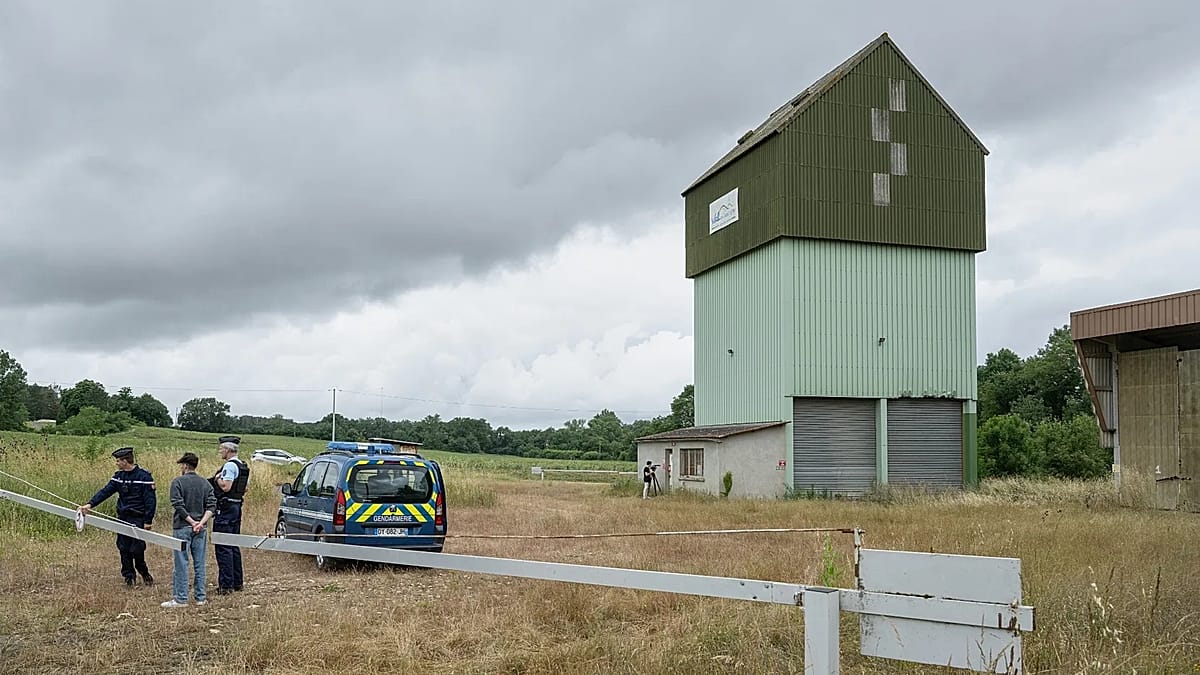
President Emmanuel Macron told his cabinet on Wednesday that the murder of an 11-year-old girl in southwestern France has put public confidence in the country's institutions on the line. The body of Lyhanna was discovered last week near Fleurance, a town in the Gers department, after she disappeared on 29 May. The main suspect, a 41-year-old father of a school friend, had twice been formally accused of raping a child, but both investigations were dropped or stalled.
“It is trust in our institutions that is at stake,” Macron said, according to government spokesperson Maud Bregeon. He urged calm amid nationwide anger over the handling of previous allegations against the suspect, adding: “We do not respond to a tragedy with shouting.” The president acknowledged clear failures and called for a thorough review to distinguish individual responsibility from systemic lapses across all public services involved.
Protests and Political Fallout
Around 60,000 people took to the streets on Monday, with some demonstrators demanding the resignation of Justice Minister Gérald Darmanin. Darmanin has refused to step down but apologised for what he called a “huge failure” in the Lyhanna case. Authorities have not yet released the results of a forensic examination of the girl's body, and the suspect, named as Jérôme B., has only been charged with abduction so far.
The case has reignited debate over France's judicial system, particularly its handling of sexual violence against minors. According to the independent commission CIIVISE, only 7% of complaints for sexual assault of a minor result in a conviction. A 2022 government report highlighted limited staff and time to properly investigate allegations of child abuse, and in 70% of cases, investigators did not pursue further evidence such as phone records, security camera footage, or computer checks after hearing the suspect.
Prime Minister Sébastien Lecornu told the Senate on Wednesday that there had been no lack of resources to investigate Jérôme B., but acknowledged that the justice system as a whole faces resource constraints. The case has drawn comparisons to other high-profile failures, including the conviction of a retired surgeon last year who confessed to assaulting 299 patients over decades despite a prior conviction for possessing abusive images of children.
Lyhanna's murder is the latest in a series of incidents highlighting gaps in child protection. In Paris, parents have accused school monitors of sexually abusing pupils, leading to the suspension of 52 monitors since the start of the year for suspected “sexual or sexist abuse,” the mayor said on Tuesday. An estimated 160,000 children suffer rape or sexual assault each year in France, most by a man within their family or acquaintances, according to CIIVISE.
The mother of one alleged victim, who filed a complaint against Jérôme B. in August last year, told reporters that the justice system failed her daughter. “I called every Monday morning, while my daughter was with the psychologist. I called the police,” she said. “The last time I rang them, they told me that if I kept harassing them, they would press charges.” Her complaint was backed by a medical report, but police had not questioned the suspect by the time Lyhanna went missing nine months later.
Macron's comments come as France grapples with broader questions about judicial efficiency and public trust. The country's judicial system has faced scrutiny in recent years, with comparisons to other European nations on judge numbers and case processing times. The president's call for calm and a systemic review reflects the delicate balance between addressing public outrage and maintaining institutional stability.