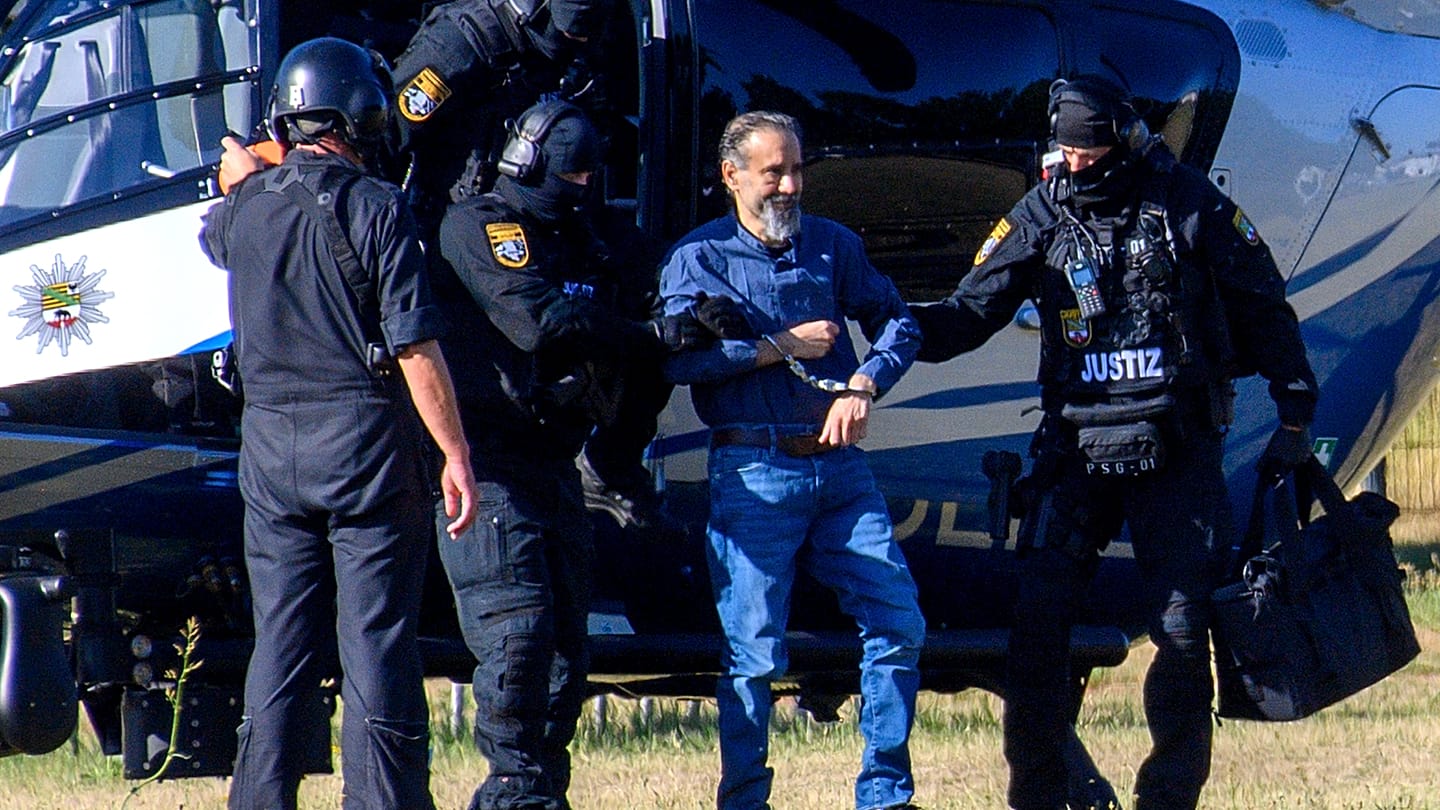
A German court in Magdeburg has handed down a life sentence to Taleb al Abdulmohsen for the December 2023 attack on the city's Christmas market. The defendant drove a car into the crowded pedestrian area, killing six people and injuring over 300 others. The verdict, delivered on Tuesday, marks the conclusion of a trial that has drawn intense public and political scrutiny across Germany and Europe.
The presiding judge at the Landgericht Magdeburg described the act as a deliberate and indiscriminate assault on civilians, emphasizing the lasting trauma inflicted on survivors and the broader community. Prosecutors had argued that al Abdulmohsen, a 50-year-old Saudi Arabian psychiatrist who had lived in Germany for nearly two decades, acted out of a mix of personal grievances and extremist ideology. The court found him guilty of multiple counts of murder, attempted murder, and causing grievous bodily harm.
Details of the Attack and Trial
On the evening of December 20, 2023, al Abdulmohsen drove a rented BMW through the barricades of the Magdeburg Christmas market, a festive gathering of hundreds of locals and tourists. The vehicle plowed through stalls and crowds for several hundred meters before being stopped by police. Victims ranged in age from a nine-year-old child to a 75-year-old retiree. Many of the injured suffered severe fractures, head trauma, and psychological shock.
During the trial, which lasted several months, the court heard testimony from survivors, emergency responders, and forensic experts. Al Abdulmohsen, who had a history of online posts expressing anti-Islam views and frustration with German authorities, claimed he intended to protest what he saw as the country's lenient immigration policies. However, the court rejected any political justification, noting that the attack targeted innocent civilians without any discernible connection to his stated grievances.
The life sentence, which in Germany typically means a minimum of 15 years before parole eligibility, was accompanied by a finding of particular severity—a legal designation that makes early release unlikely. The judge stated that the attack represented an extreme breach of public safety and trust, especially given the symbolic nature of Christmas markets as spaces of community and celebration.
Broader Implications for European Security
The Magdeburg attack has reignited debates across Europe about the security of public events and the radicalization of individuals with mental health issues. Unlike many recent terrorist attacks in Europe, which have been linked to Islamist extremism, al Abdulmohsen's case highlights the challenge of lone actors driven by a mix of personal vendettas and fringe ideologies. German authorities have faced criticism for not acting on earlier warnings about the defendant's behavior, including reports from colleagues and online activity.
In response, several German states have increased police presence at major public gatherings and reviewed their threat assessment protocols. The federal government in Berlin has also proposed tighter monitoring of individuals who express violent intentions online, though civil liberties groups have raised concerns about overreach. The attack has also prompted discussions in other European capitals, from Paris to Vienna, about the vulnerability of open-air markets and festivals.
The case underscores the ongoing security challenges facing the European Union's internal security framework. While the bloc has strengthened cooperation through agencies like Europol, the rise of decentralized, lone-actor attacks—often inspired by online echo chambers—remains difficult to prevent. The Magdeburg verdict may serve as a reference point for future prosecutions of similar acts across the continent.
For the city of Magdeburg, the capital of Saxony-Anhalt, the trial has been a painful but necessary step toward closure. Local officials have announced plans to install permanent barriers at the Christmas market and to create a memorial for the victims. The attack has also spurred a broader conversation in Germany about the balance between public safety and the preservation of cherished traditions.
As the legal proceedings conclude, the focus now shifts to the long-term recovery of the survivors and the community. The life sentence, while providing a measure of justice, cannot undo the devastation wrought on that December evening. The case remains a stark reminder of the fragility of public spaces in an era of diffuse threats.