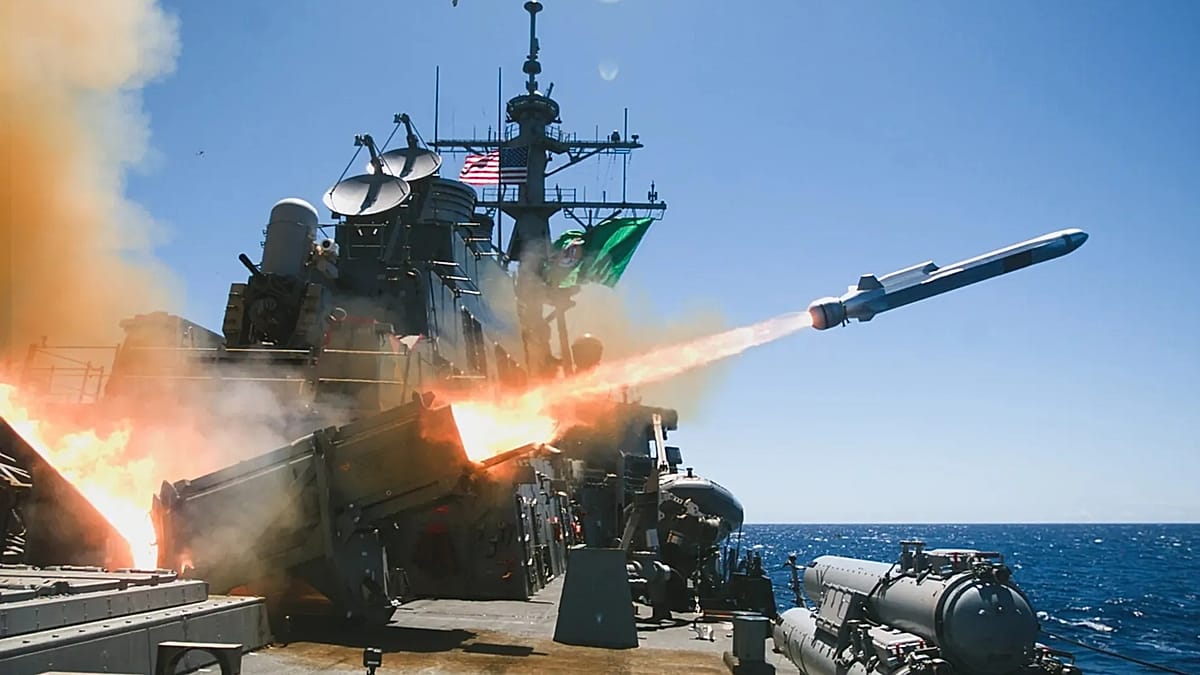
Malaysia has formally demanded more than €216 million in compensation from Norwegian defense firm Kongsberg Defence & Aerospace following Oslo's decision to revoke export licenses for a naval missile system. Defence Minister Mohamed Khaled Nordin announced the claim on Tuesday, stating that the government had sent a notice seeking reimbursement for both direct and indirect costs.
The dispute centers on a 2018 agreement under which Kongsberg was to supply the Naval Strike Missile (NSM) system and launcher components for Malaysia's Littoral Combat Ship (LCS) program. Norway's foreign ministry confirmed that it had withdrawn certain export approvals, attributing the move solely to its application of export control regulations. The ministry expressed regret over the impact on Malaysia but declined to comment on individual contracts.
Speaking at the Lumut naval shipyard, roughly 160 kilometers from Kuala Lumpur, Mohamed Khaled detailed the compensation claim: €126 million in direct costs already paid to Kongsberg, plus additional indirect costs. The total exceeds 1 billion ringgit.
Malaysian Prime Minister Anwar Ibrahim last week voiced his "vehement objection" during a phone call with Norwegian Prime Minister Jonas Gahr Støre, calling the cancellation "unilateral and unacceptable." Anwar warned that the decision would have "grave consequences for Malaysia's defence operational readiness and the LCS modernisation programme."
The LCS program, initially approved in 2011 with a contract worth 6 billion ringgit for six vessels, has faced persistent allegations of mismanagement and cost overruns. Following a government review in 2023, the program was relaunched with the number of ships reduced to five. Delivery of the first vessel, originally expected in August, has been pushed back to December due to equipment delays and rework, according to local media reports citing officials.
Trust and Reliability Under Scrutiny
Mohamed Khaled framed Norway's decision as a broader issue of international trust. "What has happened to us is not just a defence procurement issue… but it reflects a larger problem, namely an erosion of trust among countries in international relation matters," he said. He warned that other nations might follow Norway's example, questioning the reliability of Western and NATO defense partners.
The episode has strained diplomatic ties between Kuala Lumpur and Oslo. Norway's foreign ministry reiterated that the revocation was based strictly on export control rules and that it could not comment on commercial contracts. The company Kongsberg has not publicly responded to the compensation demand.
This is not the first time European export controls have disrupted defense deals with non-European partners. The case echoes broader debates about the extraterritorial reach of national security policies and their impact on bilateral relations. For Malaysia, the cancellation threatens to delay its naval modernization at a time of heightened regional tensions in the South China Sea.
For further context, see our earlier coverage: Malaysia Condemns Norway's Revocation of Naval Missile Export License and Norway Stands Firm on Canceling Missile Sale to Malaysia, Cites Security Policy.