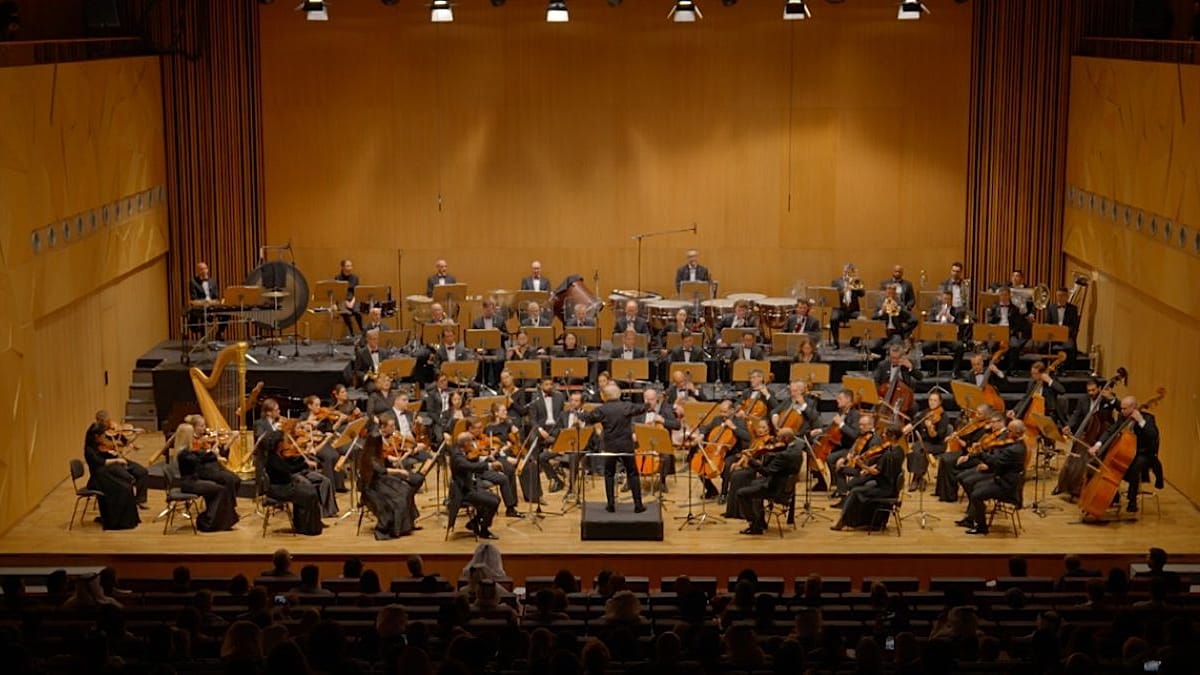
Mexican rhythms and melodies filled the concert hall in Doha as the Qatar Philharmonic Orchestra presented Sounds of Mexico, a program celebrating the rich tapestry of Mexican orchestral music. The event is part of the Qatar-Mexico 2026 Year of Culture, a year-long exchange designed to deepen cultural ties between the two nations.
Under the baton of Mexican conductor Enrique Arturo Diemecke, the orchestra performed works by some of Mexico's most celebrated composers, including Arturo Márquez, Carlos Chávez, Blas Galindo, and Silvestre Revueltas. The program offered a journey through Mexico's diverse musical landscapes, from the sweeping melodies of Huapango to the modernist energy of Chávez.
For Diemecke, the concert was an opportunity to showcase the breadth of Mexican music, which varies greatly from region to region. "Mexican music is not monolithic," he said in a pre-concert interview. "Each state has its own rhythms, its own colors, its own stories. This program reflects that diversity." He singled out Huapango, a piece based on the traditional huapango dance from the Huasteca region, as "almost a second national anthem" for Mexicans, so deeply is it woven into the national identity.
An international orchestra brings Mexico to life
The Qatar Philharmonic Orchestra is itself a testament to global collaboration, with musicians hailing from more than 28 countries. For many, the music of Mexico was a new discovery, but for Colombian tuba player Richard Alonso Diaz, it stirred childhood memories. "My father used to play mariachi records at home," he recalled. "Hearing these pieces brings me back to those days. It's a beautiful connection."
The concert is part of a broader cultural exchange between Qatar and Mexico, which also includes art exhibitions, culinary events, and academic collaborations. The Day of the Dead altar in Madrid is another example of Mexican culture being celebrated abroad, though this Doha event marks a rare foray into orchestral music for the Year of Culture.
Diemecke, who has conducted orchestras across Europe and the Americas, praised the Qatar Philharmonic's versatility. "They are a young orchestra with a hunger for new repertoire," he said. "Playing Mexican music requires a certain rhythmic flexibility and warmth, and they embraced it wholeheartedly."
The concert also highlights Qatar's growing role as a cultural hub in the Gulf, a position it has been cultivating with events like the Asian Games handover and its smart city initiatives. For European audiences, the event underscores the increasing cultural exchange between the Gulf and Latin America, a trend that has been growing in recent years.
As the final notes of Revueltas's Sensemayá faded, the audience rose to its feet, a testament to the power of music to bridge continents. For Diemecke, the evening was a reminder of music's universal language. "When we play, we are not Mexican or Qatari or Colombian," he said. "We are simply musicians sharing a story."