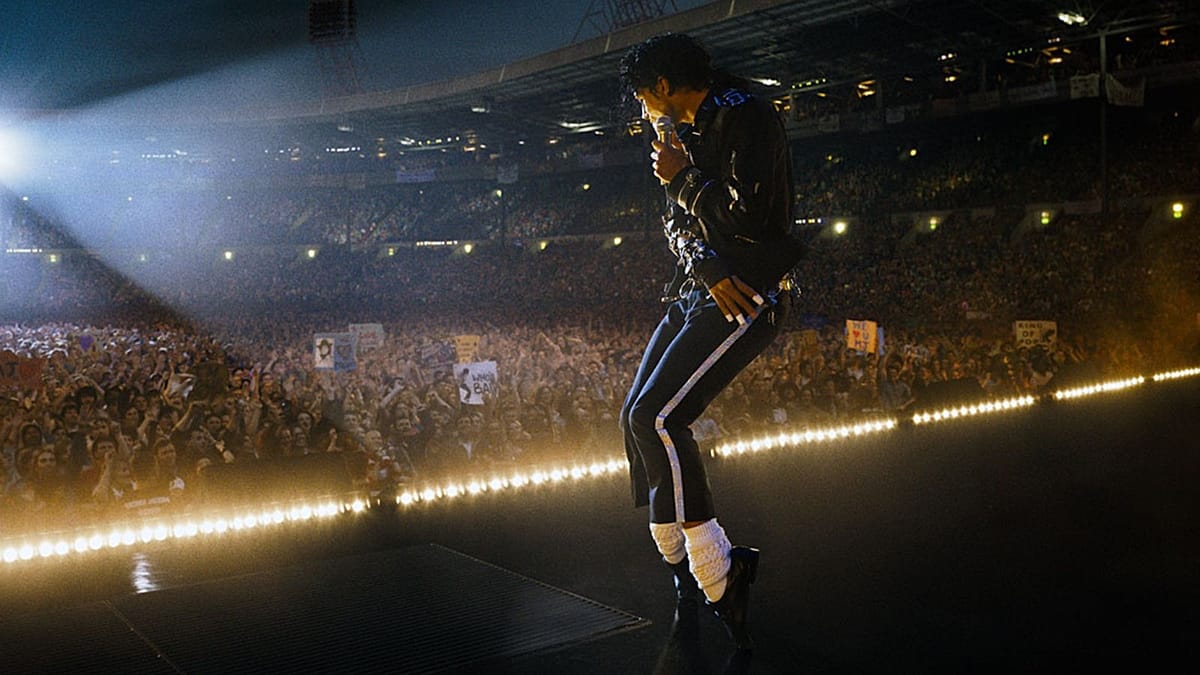
Antoine Fuqua's biopic Michael has overtaken Christopher Nolan's Oppenheimer to become the highest-grossing biopic in cinema history, with a worldwide box office of $977.4 million. The film, which follows Michael Jackson's rise from child stardom with The Jackson 5 to his reign as the 'King of Pop,' has now surpassed the $975.8 million earned by Nolan's Oscar-winning drama.
Released in April 2026, Michael has been in theaters for ten weeks and appears on track to cross the $1 billion mark. Earlier this month, it also became the top-grossing music biopic, eclipsing 2018's Bohemian Rhapsody. Yet the film's commercial success stands in stark contrast to the critical backlash it has received.
A Hagiography Under Fire
Critics have accused Michael of being a sanitized, estate-controlled hagiography that deliberately avoids the child sexual abuse allegations that dogged Jackson before his death in 2009. According to reports, an earlier version of the script addressed these allegations, but lawyers for Jackson's estate intervened, demanding a more crowd-pleasing approach. This led to lengthy reshoots reportedly funded by the estate.
In a review for Euronews Culture, the film was described as 'an insultingly blatant hagiography' that 'removes everything from his early life story that could be deemed contentious.' The review continued: 'No need for any of that in this drama-free, formulaic and estate-controlled excuse to sell more albums. Instead, this biopic is sanitized to the point of being translucent and only caters to undiscerning fans who just want to hear the hits and witness recreations of iconic MJ moments.'
The controversy has not dampened audience turnout, however. The film's success mirrors a broader trend in which biopics—especially those about musicians—continue to draw large crowds, even when they gloss over difficult truths. For European audiences, the debate raises questions about the ethics of biographical filmmaking and the role of estates in shaping public memory.
A Sequel in the Works
Lionsgate, the studio behind Michael, has already signaled plans for a sequel. Adam Fogelson, the head of Lionsgate, told reporters that the second part could begin shooting later this year or in 2027. When asked about potential content, Fogelson pointed to Jackson's 1993 Super Bowl halftime performance as an example of the kind of iconic moments the sequel might explore.
The announcement of a sequel has reignited discussions about the film's selective narrative. Critics argue that a follow-up would likely continue to sidestep the allegations, focusing instead on Jackson's later career highlights. The estate's tight control over the project suggests that any sequel will follow the same sanitized formula.
Meanwhile, the film's box office dominance comes at a time when the global cinema industry is still recovering from the pandemic. Michael's success underscores the enduring appeal of music biopics, particularly those centered on figures with massive fan bases. Yet it also highlights a growing tension between commercial viability and artistic integrity—a tension that European filmmakers and audiences are increasingly grappling with.
As Michael approaches the $1 billion milestone, the conversation around it is likely to intensify. For now, the film stands as a testament to the power of nostalgia and the challenges of telling complex stories about flawed icons.