A sweeping new study from the University of Oxford, based on health data from around 1.4 million adults in England, has found that more than one in three people have high blood pressure. More worrying still, nearly six in ten of those affected — 59% — have no idea they are living with the condition, and are therefore receiving no treatment.
High blood pressure, often described as a “silent killer,” is a leading contributor to heart attacks, strokes, and other cardiovascular diseases. The findings, published from the Our Future Health programme — the UK’s largest health research initiative — underscore a persistent failure in early detection, even as medical guidelines have long recommended routine screening.
Age and gender disparities
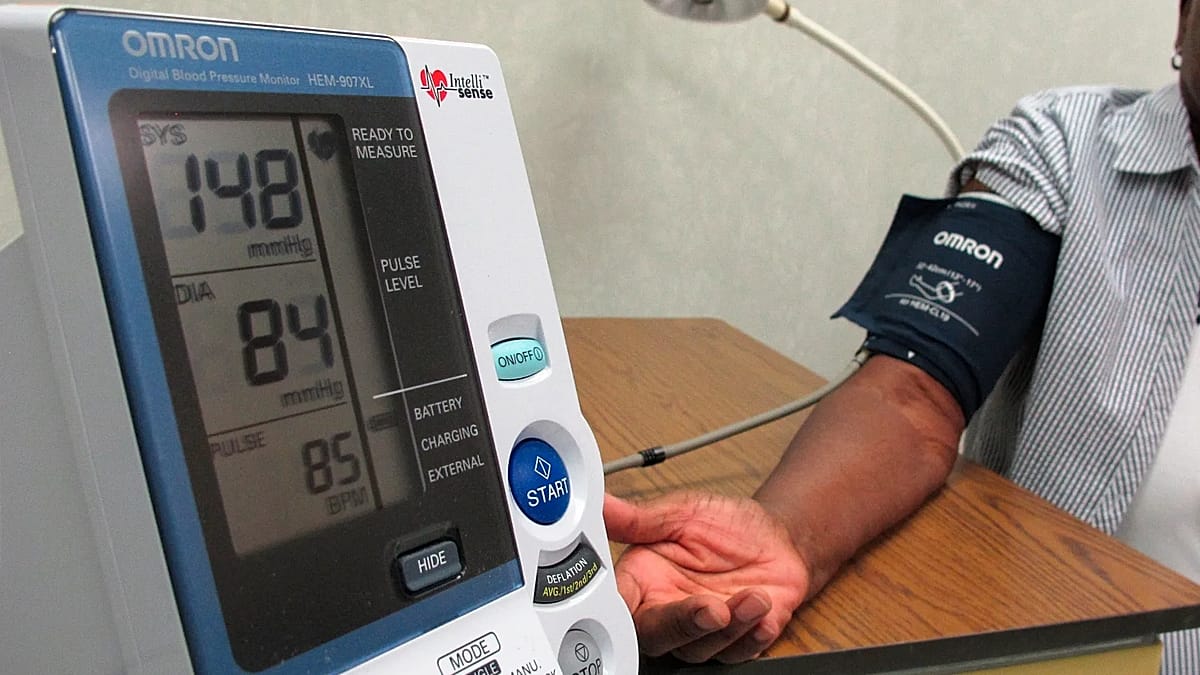
The researchers analysed blood pressure readings collected in clinics between 2022 and 2025. Using World Health Organization criteria, they classified hypertension as a systolic reading of 140 mmHg or above, a diastolic reading of 90 mmHg or above, or current use of blood-pressure-lowering medication.
The prevalence varied sharply with age: 15% among adults aged 18 to 39, rising to 71% among those aged 80 and over. After adjusting for age, men were significantly more affected than women — 42% versus 29%.
Wenyu Liu, a medical statistician at Oxford’s Population Health Department and lead author of the study, stressed that hypertension is not just an older person’s problem. “More than 15% of younger adults aged 18 to 39 have high blood pressure, yet this group falls outside routine NHS health checks, which typically begin at age 40,” she said. “This is a missed opportunity for early intervention.”
Treatment gaps and the need for a new approach
The study also found that among those already taking medication for hypertension, half still had readings at or above the 140/90 threshold. This suggests that even when the condition is diagnosed, it is often not adequately controlled.
Current guidelines from the National Institute for Health and Care Excellence (NICE) require multiple elevated readings before confirming a diagnosis, and often recommend lifestyle changes before prescribing drugs. The authors argue that this cautious approach may be delaying treatment for those who need it most.
Ian Bullard, deputy chief medical officer for Our Future Health and a practising GP, said the results mirror what doctors see daily. “Many cases of high blood pressure remain undetected or are not treated optimally,” he noted. He called for a more proactive strategy, including considering treatment based on a person’s overall cardiovascular risk rather than relying solely on blood pressure numbers.
Experts urge earlier screening and prevention
The British Heart Foundation (BHF) has echoed these concerns. Professor Bryan Williams, the BHF’s chief scientific and medical officer, said the study reveals “a huge missed opportunity” to prevent heart attacks and strokes. “High blood pressure is the single biggest modifiable risk factor for cardiovascular disease, and it is linked to around half of all heart attacks and strokes in the UK,” he said.
Williams added that millions of people are living with the condition without knowing it, and that improving detection and management could save tens of thousands of lives each year. He called for a fundamental rethink of how at-risk individuals are identified and supported.
The findings come as health systems across Europe grapple with similar challenges. In many EU member states, hypertension remains underdiagnosed, particularly among younger adults. The Oxford team hopes their research will prompt policymakers to consider lowering the age threshold for routine screening and to adopt more aggressive early intervention strategies.
“We need to move from a reactive to a preventive approach,” Liu said. “The tools exist — we just need to use them earlier and more effectively.”