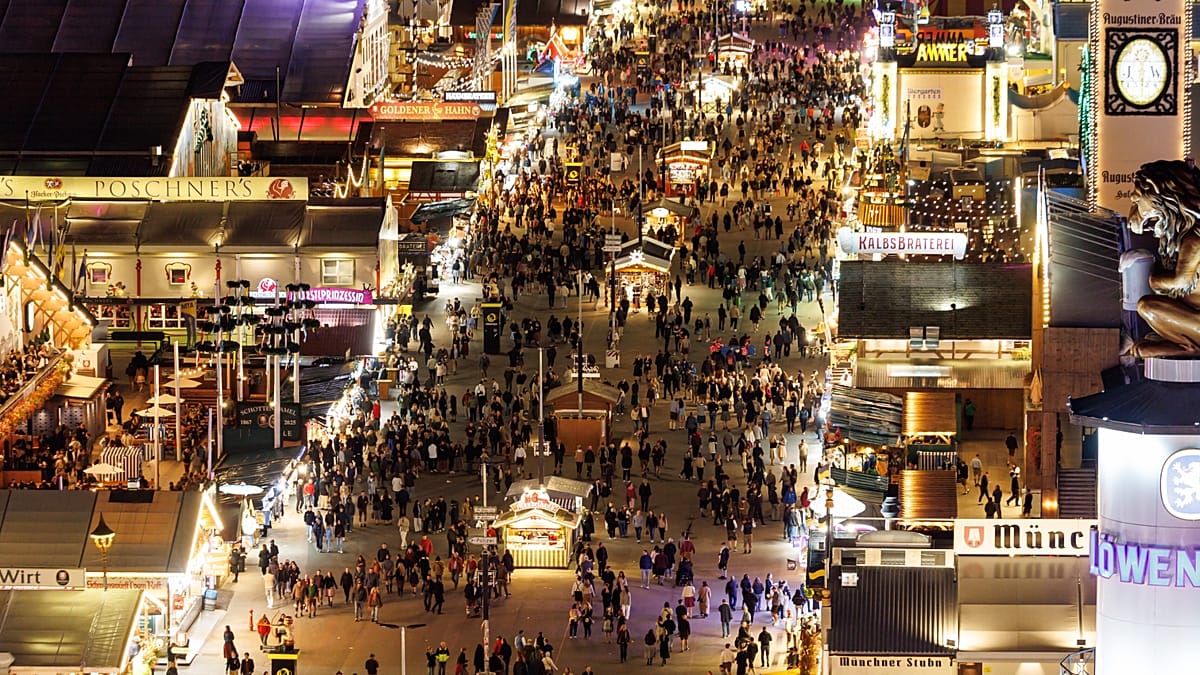
Excavators and cranes have returned to Munich's Theresienwiese, marking the official start of preparations for Oktoberfest 2026. The world's largest folk festival, which draws millions from across Europe and beyond, will open on 19 September after a three-month construction phase that transforms the open field into one of the continent's biggest temporary building sites.
Munich's head of economic affairs, Christian Scharpf, confirmed that work could proceed on schedule only after a court rejected an urgent appeal from an unsuccessful bidder for a beer tent concession. "Thankfully the court issued its ruling in time, we're allowed to hold the Wiesn in 2026 as we do every year and that's why we can get going on schedule today," Scharpf said at the launch. The legal dispute over coveted pitches and lucrative tent allocations is a recurring feature of Oktoberfest planning, reflecting the high stakes involved in securing a spot on the Theresienwiese.
Logistical Undertaking on a Continental Scale
Setting up the festival requires moving thousands of tonnes of material to the site over the coming weeks. Each of the major beer tents alone demands 70 to 100 lorry deliveries, according to city officials. Beyond the tents, crews must install rides, supply lines, kitchens, beer cellars, and the full technical infrastructure that supports a two-week event hosting millions of visitors.
The build now starts earlier than it did a few years ago, a change driven by increasingly unpredictable weather. "The set-up takes a quarter of a year in total. Some time ago we also decided to start earlier because of the weather. This has become more than understandable this summer," Scharpf explained, noting that beginning two weeks earlier than in the past provides a buffer against heatwaves or storms that could delay construction. This summer has seen Spain's second heatwave push temperatures near 42°C, and France recorded roughly 1,000 excess deaths during a recent heatwave, underscoring the broader climate challenges facing European events.
No Record Chasing, Just Relaxed Atmosphere
Last year, Oktoberfest attracted approximately 6.7 million visitors, a figure the city is comfortable with. Scharpf stressed that breaking attendance records is not the goal. "We are not chasing records here; we also want the Wiesn to retain its relaxed atmosphere. Last time we had 6.7 million visitors – that's fine. We can easily live with that figure, and that's the sort of turnout we'd like to see this year as well," he said.
This stance reflects a broader trend among major European festivals and events, where organisers increasingly prioritise quality of experience over sheer numbers. For Munich, maintaining the Wiesn's character means balancing commercial success with the traditional Gemütlichkeit that draws both locals and international guests.
Countdown to the First Keg
For now, the Theresienwiese remains a construction zone dominated by diggers, cranes, and lorries. But by the time the ceremonial first keg is tapped on 19 September, the site will be transformed into a sprawling fairground of brass bands, beer steins, and rides. The countdown to Oktoberfest 2026 has officially begun, with Munich aiming to deliver a festival that feels both familiar and welcoming — without the pressure of setting new records.