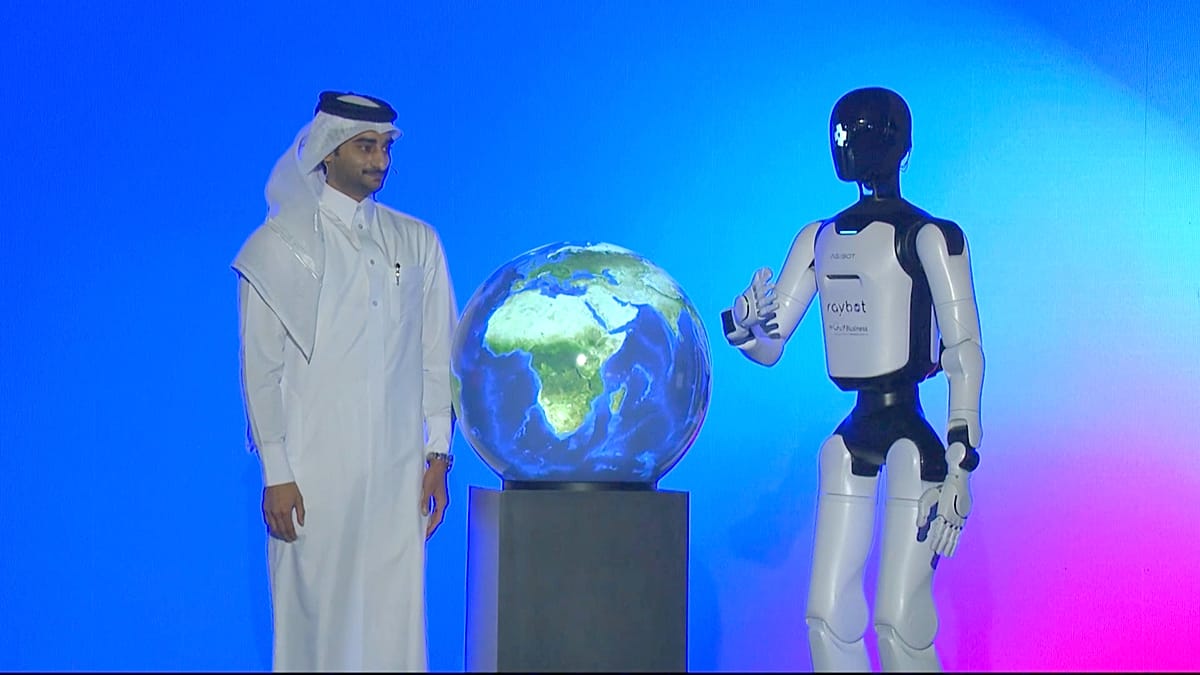
Doha is hosting this year's GSMA Mobile World Congress (MWC26), where the conversation has shifted from simple connectivity to what organizers call the "IQ era" — a period defined by intelligent networks, AI-driven services, and a renewed commitment to digital inclusion. The event, which runs alongside the International Telecommunication Union's Plenipotentiary Conference, brings together delegates from 194 countries to chart the future of global communications.
Opening the conference, GSMA Director General Vivek Badrinath struck a cautious note amid the optimism. "Progress only counts if everyone shares in it," he told attendees, underscoring a central tension of the event: while AI and cloud technologies promise to transform industries, large parts of the Middle East and North Africa remain without reliable internet access. The message resonated across the exhibition floor, where demonstrations of AI-powered network management and edge computing sat alongside discussions about bridging the digital divide.
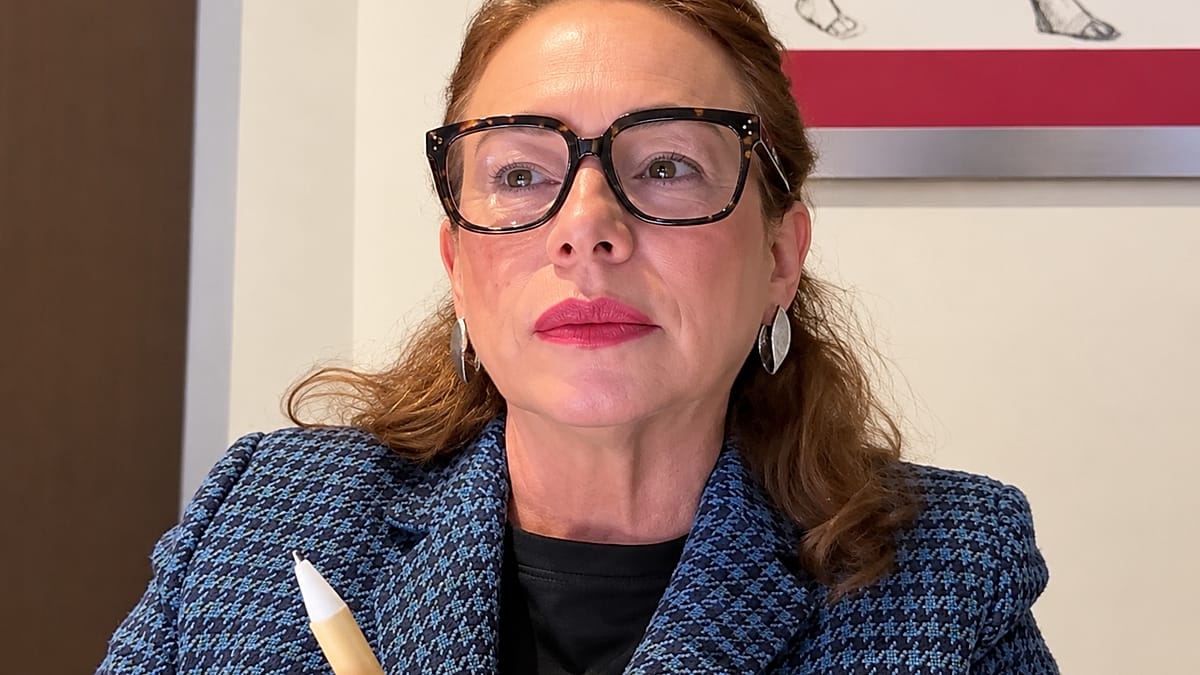
The United Nations Development Programme echoed that concern. Abeer Shakweer, speaking with Euronews, highlighted the need for policies that ensure technological advances do not widen existing inequalities. Her remarks pointed to a broader debate within the telecom industry about how to balance investment in next-generation infrastructure with the urgent task of connecting underserved communities.
AI and the road to 6G
On the technical side, much of the buzz centered on the intersection of AI and network architecture. Jack Hidary, CEO of SandboxAQ, told Euronews that the region is becoming a testing ground for AI-driven solutions that could reshape everything from logistics to healthcare. "What excites me is the willingness here to adopt new approaches," he said, citing partnerships between Gulf states and global tech firms as a sign of the region's ambition.
The path to 6G was another dominant theme. While 5G is still being rolled out in many areas, researchers and vendors are already laying the groundwork for the next generation of wireless technology, which promises even lower latency and greater capacity. European companies are closely watching these developments, as the continent's own digital strategy increasingly depends on secure and resilient connectivity. The EU's push for cloud and AI autonomy reflects a growing concern about relying on non-European infrastructure, a topic that resonates at MWC26.
Cloud computing also took center stage, with several announcements around sovereign cloud solutions tailored to regional data regulations. The debate over whether European cloud providers can break Big Tech's grip is particularly relevant here, as governments and enterprises seek alternatives that offer both innovation and control.
Financial inclusion and the human dimension
Beyond infrastructure, the conference explored how digital finance can drive economic participation. Mirko Giacco, CEO of Ooredoo Fintech, discussed the role of mobile money and digital wallets in bringing unbanked populations into the formal economy. "Financial inclusion is not just about access to a bank account," he said. "It's about creating ecosystems where people can save, invest, and protect themselves against shocks."
This focus on inclusion aligns with broader European priorities. The EU has been pushing for digital rights and connectivity as fundamental pillars of its social model, and events like MWC26 provide a platform for exchanging best practices with partners in the Gulf and beyond. The UK's recent growth figures, driven by AI and cloud demand, illustrate the economic potential of these sectors, but also highlight the need for equitable distribution of benefits.
As the conference continues, the message from Doha is clear: the IQ era is not just about smarter machines, but about ensuring that the intelligence revolution serves everyone. With the ITU's Plenipotentiary Conference running in parallel, the event offers a rare opportunity for global coordination on issues ranging from spectrum allocation to cybersecurity. Whether that potential translates into concrete action remains to be seen, but the urgency is undeniable.