NATO ambassadors convened in Brussels on Wednesday to address a series of recent airspace violations affecting two of the alliance's easternmost members. The meeting concluded with a firm statement holding Russia "fully responsible" for the incursions, which have heightened tensions along NATO's eastern flank.
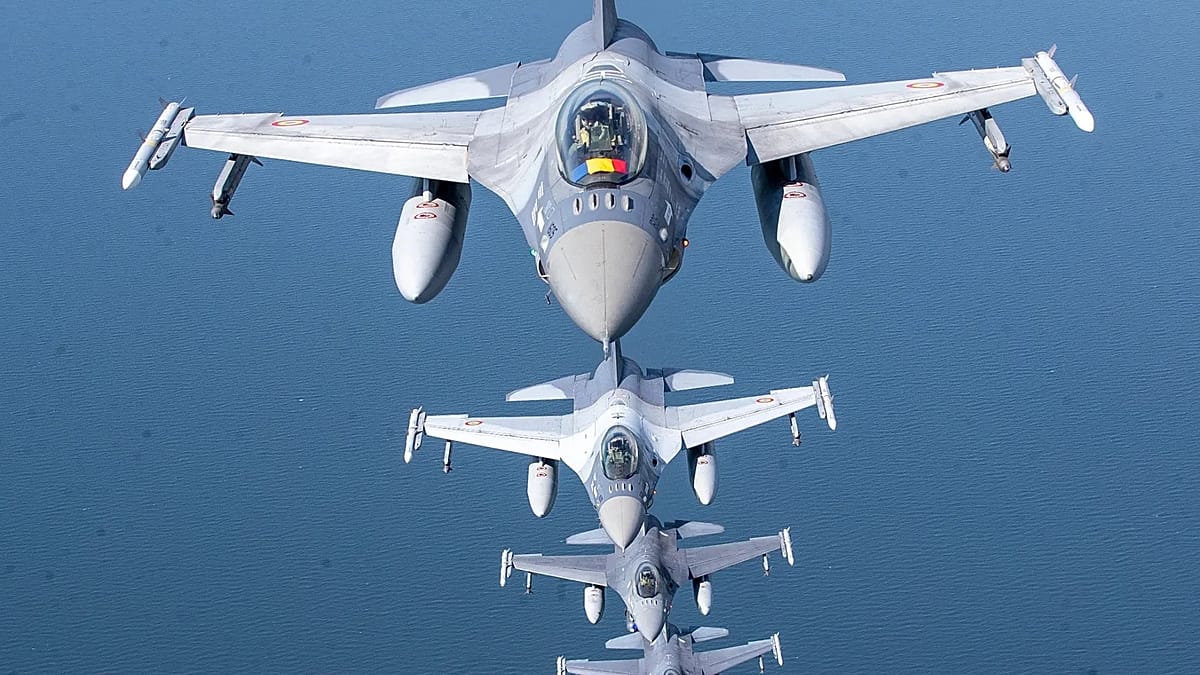
In recent weeks, Romanian airspace has been breached by multiple drones, prompting President Nicușor Dan to describe the Kremlin's actions as "inadmissible and intolerable." The violations have raised concerns about the safety of civilian infrastructure and the integrity of NATO's airspace.
Separately, on 29 July, a cruise missile crashed into Polish territory, landing approximately 50 kilometres from the city of Lublin. Polish Prime Minister Donald Tusk later clarified that the unmanned aerial vehicle was "probably" Russian, underscoring the growing risks posed by the conflict in neighbouring Ukraine.
Alliance solidarity and condemnation
NATO Secretary-General Mark Rutte responded to the incidents, stating, "This incident is yet another reckless act by Russia and a dangerous consequence of its war against Ukraine." His remarks were echoed by NATO spokesperson Allison Hart, who said allies expressed solidarity with Romania and Poland and condemned Russia's "reckless actions."
A readout from the meeting stated: "Allies reiterated that Russia bears full responsibility for the airspace violations, which are dangerous and unacceptable, and demonstrate Russia’s increasing tolerance for risk." The statement also reaffirmed the alliance's unwavering support for Ukraine, now in the fifth year of Russia's full-scale invasion.
Romania's Ambassador to NATO, Dan Neculăescu, used the meeting to stress the need for continued investment in military capabilities that allow Bucharest and the alliance to defend themselves more effectively. "I also expressed solidarity with our Polish friends, as we continue to coordinate on the Eastern Flank," he said.
Polish Defence Minister Władysław Kosiniak-Kamysz noted that the alliance showed clear solidarity and readiness to take "new actions" to strengthen security, particularly along NATO's frontline borders and the Baltic Sea region.
The meeting comes amid broader concerns about Russian drone activity across Europe. Germany and other countries have repeatedly reported unmanned aerial vehicles flying over sensitive sites, including military bases, airports, and industrial plants. These incidents have prompted calls for enhanced air defence and intelligence-sharing among allies.
While NATO has not directly linked the recent violations to a specific escalation, the pattern of incursions has intensified as Russia's war in Ukraine continues. The alliance has previously responded to similar incidents by increasing patrols and reinforcing its eastern presence.
Analysts note that the violations may be part of a broader Russian strategy to test NATO's response and probe vulnerabilities. The alliance's commitment to collective defence, enshrined in Article 5, remains a cornerstone of its response, though officials have been careful to avoid any direct military confrontation with Moscow.
As the situation evolves, NATO is expected to continue its dual approach of supporting Ukraine while deterring further Russian aggression. The meeting on Wednesday underscored the alliance's resolve, but also highlighted the challenges of managing a volatile security environment on Europe's eastern edge.