Good morning. Angela Skujins here with a Tuesday briefing on two pivotal stories: the NATO summit in Ankara and a French court ruling that could reshape the 2027 presidential race.
NATO's Turbulent Summit in Ankara
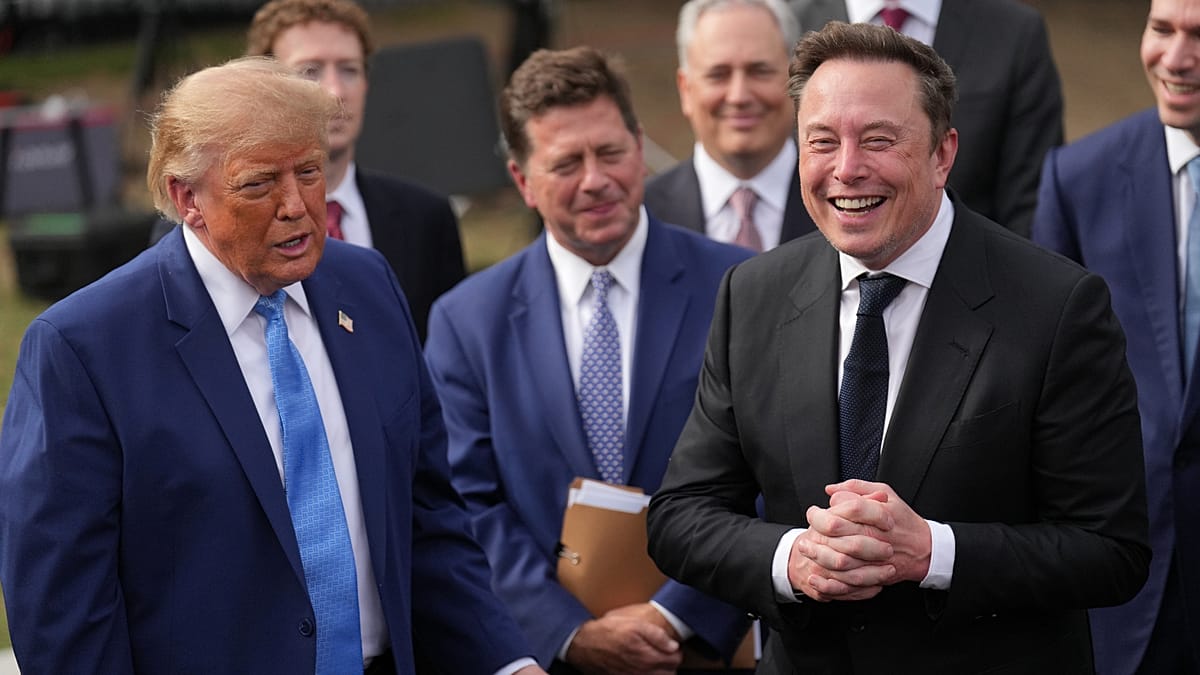
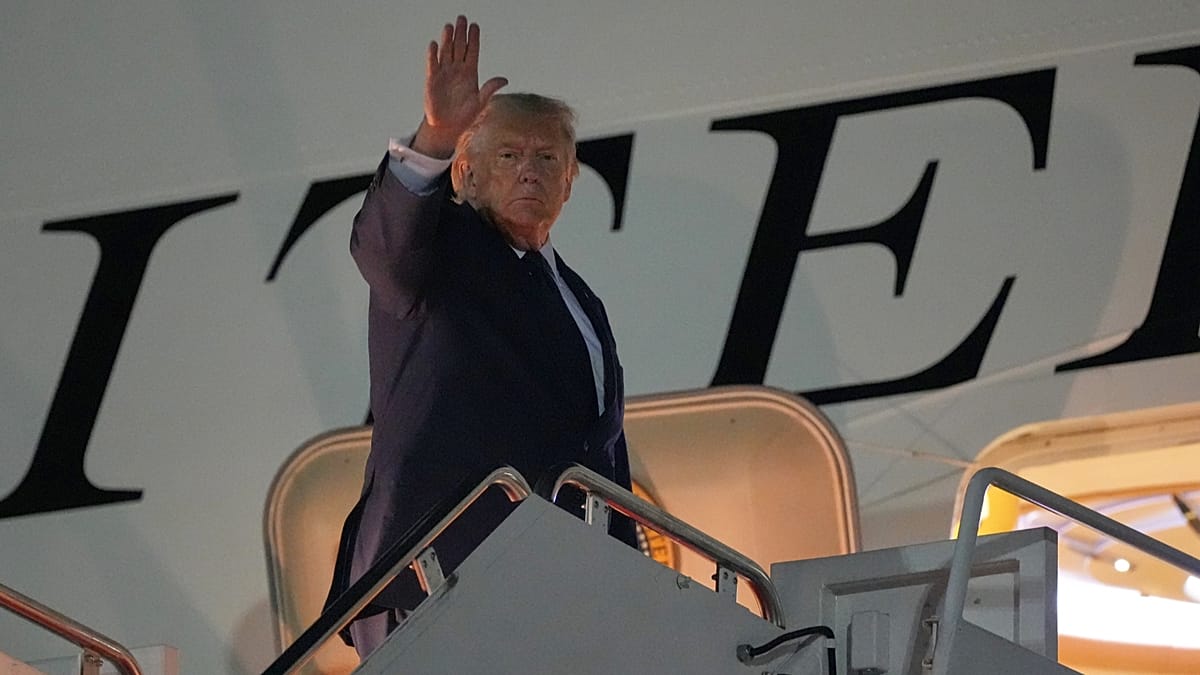
The annual NATO summit kicks off in the Turkish capital, with all 32 member states present. US President Donald Trump's longstanding criticisms of the alliance threaten to dominate proceedings, though such tensions have become routine during his tenure. My colleague Shona Murray reports from Ankara that fundamental disagreements over the US war in Iran and Trump's desire to acquire Greenland—a semi-autonomous Danish territory—have fractured the alliance.
European governments hope to temper Trump's ire by showcasing record defence spending. NATO Secretary-General Mark Rutte is expected to highlight a €122 billion increase in core defence expenditure by Europe and Canada over the past year, a 20% rise. In a keynote address at the Defence Industry Forum, Rutte will urge the sector to open new factories, expand shifts, and develop innovative, cost-effective capabilities. He will press member states to commit to spending 5% of GDP on defence by 2035, framing it as a transformation of European security architecture. “Here in Ankara, I expect nations to present clear, concrete, and credible plans to reach that 5% goal,” Rutte said at a pre-summit press conference.
Dutch Defence Minister Dilan Yeşilgöz-Zegerius told Euronews that Trump is justified in demanding more from European partners. “We have a war on our own continent. We have an enemy facing us, Putin, and it's very important that we are also able to stand up,” she said.
Ukrainian President Volodymyr Zelenskyy will use the summit to argue for a licence to manufacture US-made Patriot interceptors. Ukraine's industrial base could produce enough advanced defensive weapons to protect its cities and assist allies, he argues. This comes after a Russian missile barrage on Monday killed at least 23 people, with Ukraine's air defences failing to intercept any ballistic missiles due to a shortage of suitable interceptors. For more on Ukraine's push for support, see our coverage: Ukraine Presses for NATO Support and EU Membership Amid Renewed Russian Attacks.
Paris Court Ruling on Marine Le Pen
At 1:30 pm, the Paris Court of Appeal will rule on whether to uphold a five-year ban from public office for Marine Le Pen, who was convicted of embezzling EU funds. If upheld, the ban would effectively end her presidential ambitions, leaving 30-year-old Jordan Bardella as the likely National Rally (RN) candidate for the Élysée. Despite her conviction, Le Pen remains the strongest individual contender, polling at 32% for the first round. “Whatever happens, I will not be dead; whatever happens, I will continue to fight for my ideas,” she told LCI.
Our correspondent Mared Gwyn reports from the European Parliament plenary in Strasbourg, where Bardella, leader of the far-right Patriots for Europe group, was seen roaming the halls. A senior MEP from President Macron's Renaissance party suggested Bardella could be an easier opponent than a determined Le Pen.
Also in the plenary, MEPs are set to approve a law guaranteeing free cabin luggage and compensation for delayed flights, after over a decade of negotiations. The Parliament may also trigger a procedure against the Europe of Sovereign Nations party, home of Alternative for Germany (AfD) and other far-right groups. Additionally, a controversial bill allowing tech companies to scan online communications for child sexual abuse material will be voted on.
In other news, Bosnia and Herzegovina's ambassador to the EU, Obrad Kesić, criticised the European Commission's plan to redirect funding from struggling candidate countries to better-performing ones. “If students are struggling, punishment is not the best method to get them back on track,” he said, warning that the move would harm his country's citizens.