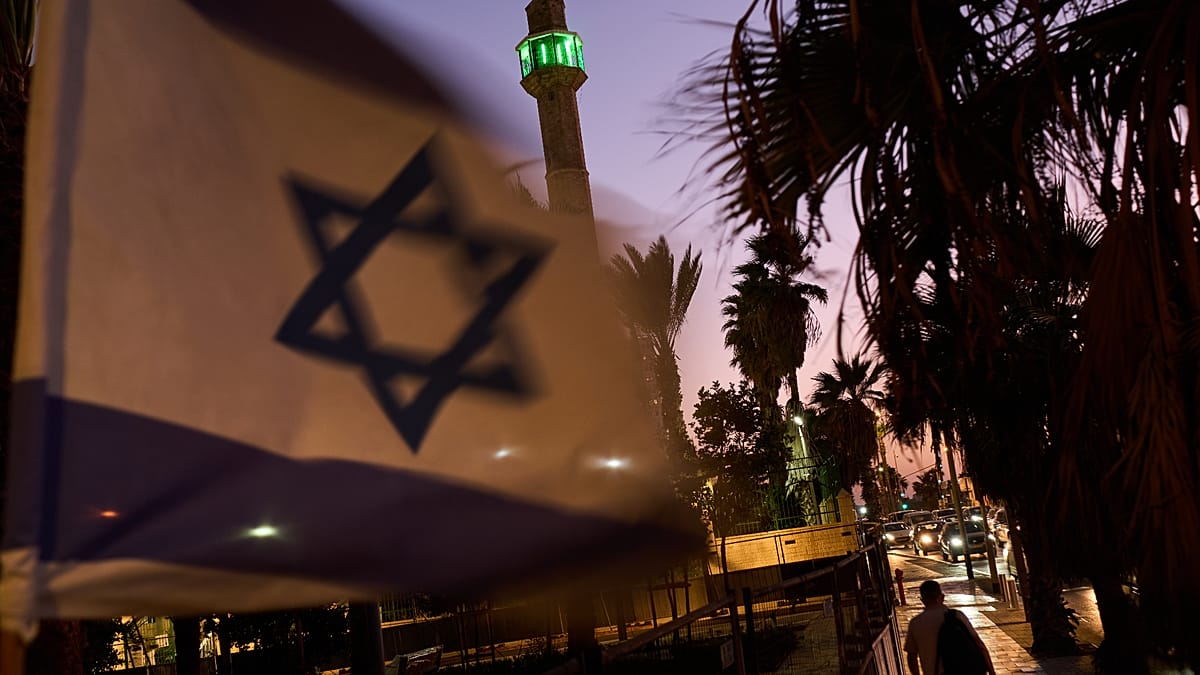
Israel's parliamentary election has produced a fragmented result, with no clear path to a governing majority. Final tallies from Tuesday's vote show Prime Minister Benjamin Netanyahu's right-wing bloc securing 53 seats in the 120-seat Knesset, while the centrist opposition, led by Gadi Eisenkot's Yashar party, took 48. The remaining seats are held by smaller factions, including a record 19 for Arab-led parties.
Netanyahu's Likud remains the largest single party with 27 seats, but the arithmetic of coalition-building is daunting. The president, Isaac Herzog, will now begin consultations with party leaders before formally tasking a candidate with forming a government. Under Israeli law, that candidate has 28 days, extendable by 14, to assemble a coalition. If that fails, a second candidate gets a similar chance, and a third could be tried with a shorter deadline. Should all attempts collapse, Israelis would face another election.
Allegations of fraud and foreign interference
The political atmosphere has been soured by accusations from Netanyahu and Likud that the election was marred by fraud. In a statement, Likud claimed that the Arab party Ra'am had received money from Qatar to influence voters, dubbing the affair “Ra’am-gate” and calling for a police and Shin Bet investigation. Netanyahu himself accused Arab parties of “stealing” the election.
Ra'am's leader, Mansour Abbas, reportedly denied any wrongdoing and said he would welcome an investigation. Eisenkot, meanwhile, described foreign interference as “unacceptable and extremely serious” and urged the Shin Bet to probe the allegations “fully and immediately, without bias.”
The claims echo a pattern seen in other democracies, where losing parties challenge results. In the United States, historians have warned about attempts to overturn election outcomes, and in Brazil, the Bolsonaro family has faced legal scrutiny after electoral defeat. Israel's robust democratic institutions will be tested as the allegations are examined.
For European observers, the Israeli election carries significance beyond the Middle East. The European Union has long been a key partner for Israel, and the composition of the next government will shape relations on issues ranging from trade to security. The EU's recent proposals to expand Frontex and deportation powers reflect a broader debate on migration that also resonates in Israeli politics.
The Arab parties' record showing could give them unprecedented influence. If they unite behind a candidate, they could potentially block Netanyahu's path to a majority, or even support a unity government. However, ideological divisions and the legacy of mutual distrust make such a scenario uncertain.
Netanyahu's political survival has defied odds before, but this time he faces a complex puzzle. His natural allies on the far right and religious parties may not be enough to reach 61 seats. The centrist camp, led by Eisenkot, has ruled out joining a Netanyahu-led government, but could be open to a coalition without him.
As negotiations begin, the coming weeks will be crucial. The president's choice of whom to task with forming a government will set the tone. If no coalition emerges, Israel could be heading back to the polls for the sixth time in under four years, a prospect that worries many citizens and international partners alike.
For now, the focus is on the talks. The outcome will determine not only who leads Israel but also the country's direction on key issues such as the Palestinian conflict, with Palestinian leaders seeking mediation from Cyprus for renewed talks. The next government's stance will be closely watched in Brussels and other European capitals.