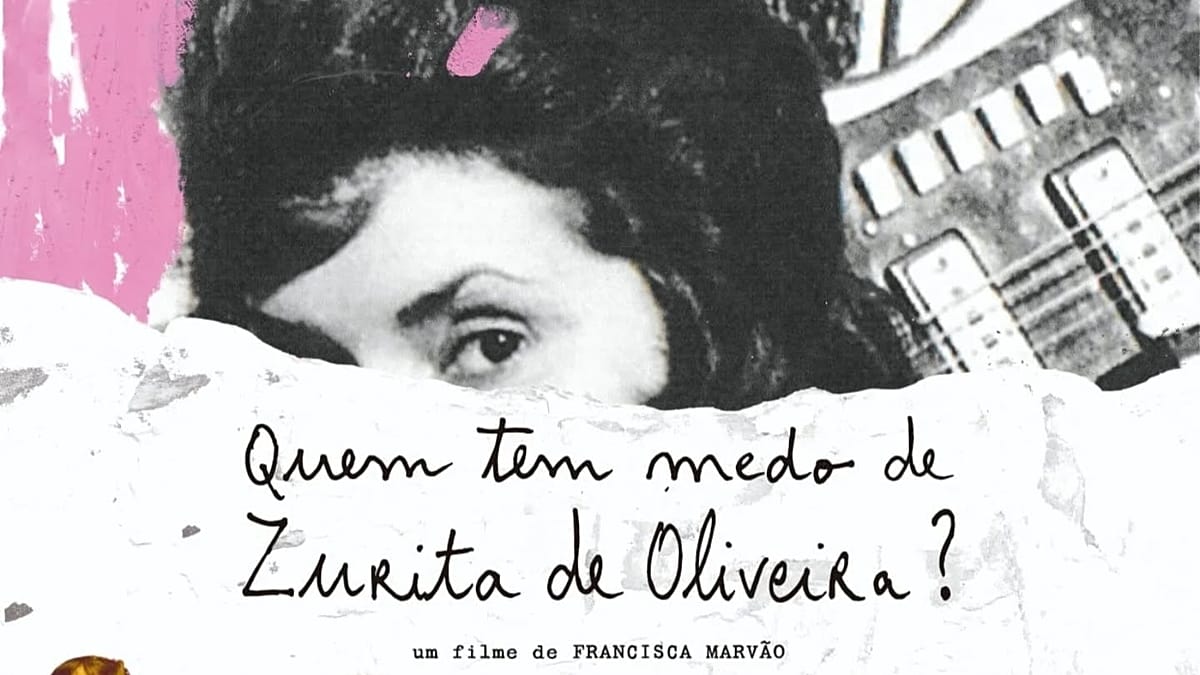
Portuguese rock did not begin with Rui Veloso or José Cid, nor with the Conchas, the band often credited as the country's first rock group in the 1960s. The first rock disc in Portugal came from a woman named Zurita de Oliveira, a figure now largely forgotten but whose story is being revived in a new documentary by director Francisca Marvão.
Born into a family of artists—her brother was the comedian Camilo de Oliveira—Zurita had already released several light music albums in the 1950s. In 1961, she shifted direction, embracing the new sounds emerging from the United States to record what is now recognised as the first rock 'n' roll song in Portuguese music history: O Bonitão do Rock (The Good-Looking Guy of Rock). Not only did she sing, but she also played the electric guitar, a rarity for women at the time. She later formed her own band and toured across Portugal, before dedicating herself to writing fados for her close friend Ada de Castro. Zurita died in 2015 at the age of 84.
Bringing a Pioneer Back to Life
Marvão first learned of Zurita while researching her previous film, Ela é uma Música (She's a Song). Intrigued, she decided to make a documentary titled Who's afraid of Zurita de Oliveira? "It's said that she was the pioneer of rock music in Portugal, but she was more than that. She was a musician, a lyricist, a playwright, an interpreter... above all, she was a woman who in the 1960s dared to perform great electric guitar solos on a big stage for a big audience," Marvão explains.
The project faced significant hurdles, including financing—Marvão turned to crowdfunding—and a scarcity of archival material. Very few images of Zurita have survived. "Time passes, not many things have been kept of her, from what I've been told. She used to record rehearsals, for example, and that has been lost. Several people who knew her and perhaps had something have died in the meantime and things have been lost," Marvão adds. The only known filmed record of Zurita, in which she sings the humorous Brazilian song O Namoro da Vovó, is held by the RTP archives, which refused to provide the footage free of charge.
Necessity sparked creativity. Marvão decided to stage skits with actors, including a fictional interview with Zurita based on statements she made to magazines of the time. She also invited all-female singers and bands to reinterpret songs written or originally sung by Zurita, including some never performed before. To perform O Bonitão do Rock, a new band called Zuritas Elétricas was formed. "It's a way of giving a stage to the women who make music today and bringing Zurita back to the present," the director says.
The documentary features testimonies from those who knew Zurita, including Ada de Castro, former band members, and Paula Marcelo, the widow of Camilo de Oliveira. Marcelo proved invaluable, even giving Marvão a guitar that once belonged to Zurita.
Rapper Dama Bete, one of the artists involved, was moved by the experience: "We were able to bring to life lyrics that had been forgotten, that had never been interpreted by Zurita, that had never been recorded. Listening to what each artist did in giving voice to these songs, I was able to feel more and identify more with Zurita's cause and what she wanted to say." Other contributors include A Garota Não, Frik.são, Trypas Corassão, and Vitória & The Kalashnicoles, representing a new wave of Portuguese alternative music made by women.
This revival of Zurita de Oliveira's story comes at a time when Portugal is increasingly asserting its cultural influence on the global stage. The country has been pushing for Portuguese to become an official UN language by 2030, as reported by European Pulse, and has seen victories in other arenas, such as a Portuguese liqueur maker defeating Louis Vuitton in a trademark dispute over the 'LV' logo. Yet, the story of Zurita de Oliveira reminds us that cultural pioneers often remain hidden until someone takes the time to dig them out.