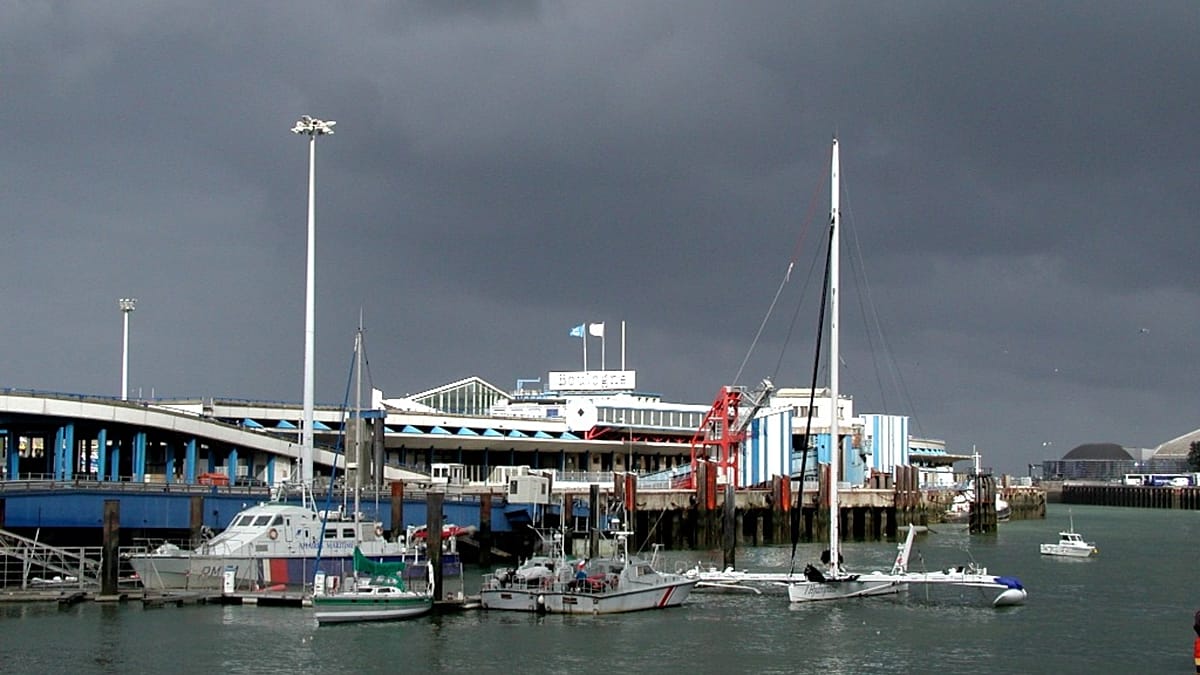
An overnight ferry service connecting Boulogne-sur-Mer in northern France with Cork in Ireland began operations on Friday, 12 June, marking the return of international passenger ferries to the French port for the first time in 15 years. Operated by the newly established Hibernia Line, the route is expected to bolster tourism and trade between the two countries while providing a direct maritime corridor that avoids the United Kingdom.
Route Details and Schedule
The service runs six times daily from Monday to Saturday in both directions, linking Boulogne-sur-Mer with Ringaskiddy, a village in County Cork. Departures are scheduled at 21:00 GMT from Cork and at 22:00 GMT from Boulogne-sur-Mer, with crossing times averaging 21 hours, extending to 24 hours on Saturday nights.
Two vessels, named St Patrick and Akka, each with a passenger capacity of 600 and space for 130 freight units, will operate the route. Currently, the ships accommodate cars and other vehicles, with foot passenger services set to begin on 1 July.
Strategic Importance for Boulogne-sur-Mer
The launch is particularly significant for Boulogne-sur-Mer, a port city that has lacked international passenger ferry services for 15 years. Mayor Frédéric Cuvillier expressed his enthusiasm on Facebook, writing: “It's truly something very moving; it's the culmination of years of work, of consultation, of making sure that we could create a route to Ireland from scratch.” He added, “I love people who believe in Boulogne.”
The revival of Boulogne's international links comes amid broader shifts in European transport patterns. Since Brexit, ferry routes between Ireland and France have grown in popularity as companies seek to bypass the UK for goods transport, avoiding customs checks and other complications. Established operators such as Brittany Ferries, Irish Ferries, and DFDS already run services between the two countries, but the Boulogne-Cork route offers a new option for both passengers and freight.
Broader European Context
This development reflects a wider trend of European ports and regions adapting to post-Brexit realities. For Ireland, maintaining direct maritime links with continental Europe is a strategic priority to ensure trade continuity. For France, the route strengthens its role as a gateway for Irish exports and tourism, while also reviving a port that had seen its international passenger traffic dwindle.
The service also aligns with European efforts to promote sustainable transport alternatives. Ferries are generally less carbon-intensive than air travel for short-haul routes, and the overnight schedule allows for efficient use of time. As European Union policies increasingly favor rail and maritime connections over air and road, such routes may gain further traction.
For travelers, the new ferry offers a scenic and practical alternative to flying or driving through the UK. It also opens up possibilities for combined rail-ferry journeys, given Boulogne-sur-Mer's rail links to Paris and other French cities. The port's location in the Hauts-de-France region makes it a convenient entry point for exploring northern France, Belgium, and beyond.
While the service is still in its early days, its success could encourage further investment in cross-Channel and Atlantic Arc maritime connections. For now, Boulogne-sur-Mer has reclaimed its place on the map of European ferry routes, offering a direct link to Ireland that many thought was lost for good.