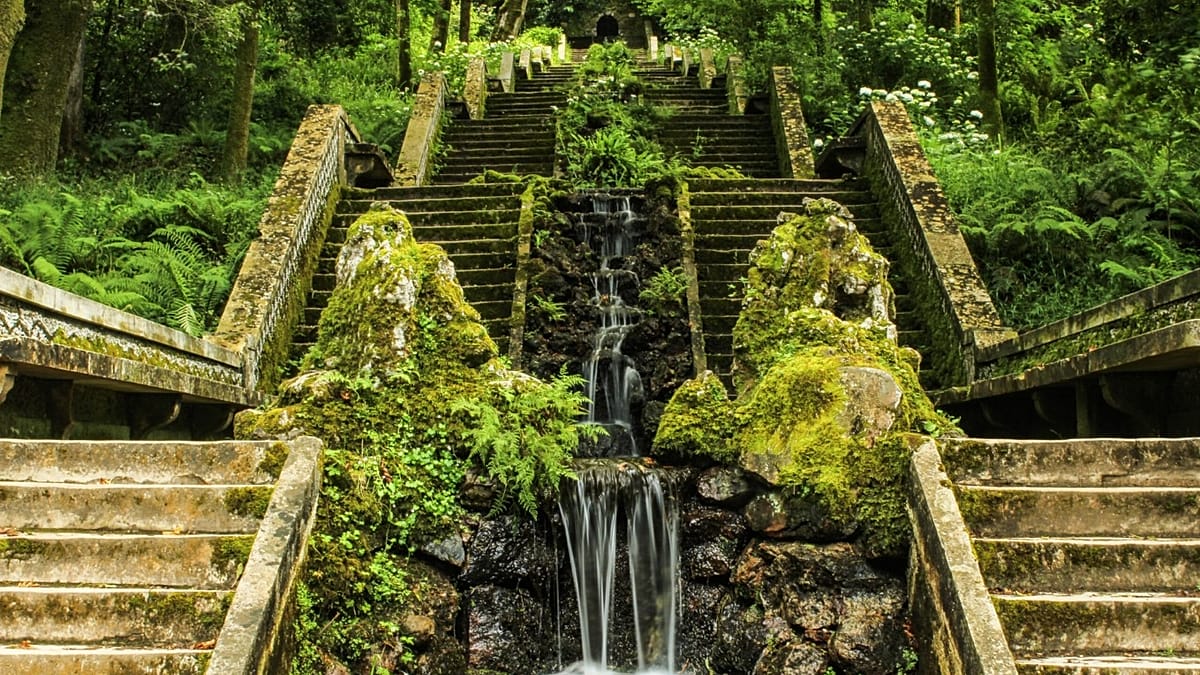
Portugal's Bussaco National Forest, located in the parish of Luso in the municipality of Mealhada, has been officially certified as a therapeutic forest, becoming the first such site on the Iberian Peninsula. The certification, granted on 17 July by the Healing Forest - International Certification Office, places Bussaco in an exclusive group of just four therapeutic forests worldwide, alongside Benediktinerstift in Austria and Lahnstein and Bad Nauheim in Germany.
“This certification, which places us in the group of the four therapeutic forests in the world and as the first on the Iberian Peninsula, gives us global status and brings with it a great responsibility,” said Gonçalo Breda Marques, president of the Bussaco Forest Foundation, as quoted by the Lusa news agency.
What Makes a Forest Therapeutic?
According to the certification body, therapeutic forests are forest areas designed for therapeutic use in specific medical indications. They must meet a set of criteria, including natural structures that reduce noise and provide visual and wind protection, trails with varying levels of difficulty, and designated areas for therapeutic applications and relaxation exercises. Qualified therapists oversee treatments or specific programmes in these spaces, which can positively influence conventional therapies for disabling diseases.
The certification process involves several stages: submission of basic information and documentation, a technical inspection by the certification office to assess therapeutic potential, and an evaluation based on defined criteria. The certificate is valid for a limited period; for Bussaco, it runs until 2031.
Research, much of it from Asian countries over the last decade, has shown that outdoor practices in such forests can improve cognitive abilities, reduce stress, anxiety, and depression, lower blood pressure, strengthen the immune system, and enhance sleep quality.
The Bussaco Forest covers 105 hectares and boasts one of the best dendrological collections in Europe, with around 250 species of trees and shrubs. It is divided into four landscape units: the Arboretum, the Gardens and Valley of the Ferns, the Relict Forest, and the Marquês Pinewood. The certification is expected to boost health tourism in the region.
Forest Bathing vs. Forest Therapy
The concept of immersive forest experiences for well-being is not new. Shinrin-yoku, or “forest bathing,” was developed in Japan in 1982 as part of a national health programme to reduce stress. It is a mindfulness practice led by guides, without necessarily targeting specific medical conditions, akin to recommendations for a healthy diet or exercise.
Forest therapy, by contrast, is a more clinically formalised practice led by accredited forest therapists, often linked to specific medical indications such as cardiovascular, respiratory, psychosomatic, orthopaedic, or neurological diseases. The Forest Therapy Hub provides training and accreditation for these professionals, aiming to promote positive mental health and improve physical and social health through connection with nature.
Portugal's recognition of Bussaco as a therapeutic forest underscores a growing European interest in integrating natural landscapes into healthcare. While other European forests have faced challenges—such as the Fontainebleau forest fire that destroyed 2,000 hectares near Paris—Bussaco's certification highlights a different, restorative relationship between people and woodlands.
The certification also adds to Portugal's appeal in health tourism, a sector where the country already ranks well in expat rankings. As the first therapeutic forest on the Iberian Peninsula, Bussaco sets a precedent for other forests in Spain and Portugal to follow.