Firefighters in France have contained two major wildfires that swept through the Fontainebleau forest, a 25,000-hectare expanse 60 kilometres southeast of Paris, but experts warn the ecological damage could take up to three decades to reverse. The blazes, which broke out on Sunday, destroyed more than 2,000 hectares of woodland, forcing the evacuation of 1,000 residents and campers as a precaution.
Hundreds of firefighters have been working around the clock, deploying Canadair aircraft to scoop water directly from the Seine—the first time such aircraft have been used in the greater Paris region. Backed by Dash planes and helicopters, crews have now contained both fires, though authorities caution it could still take days or weeks to fully extinguish the smouldering flames. Two people are in custody on suspicion of arson, with the wildfires exacerbated by the exceptional heatwave currently gripping the region.
A Biodiversity Haven Under Threat
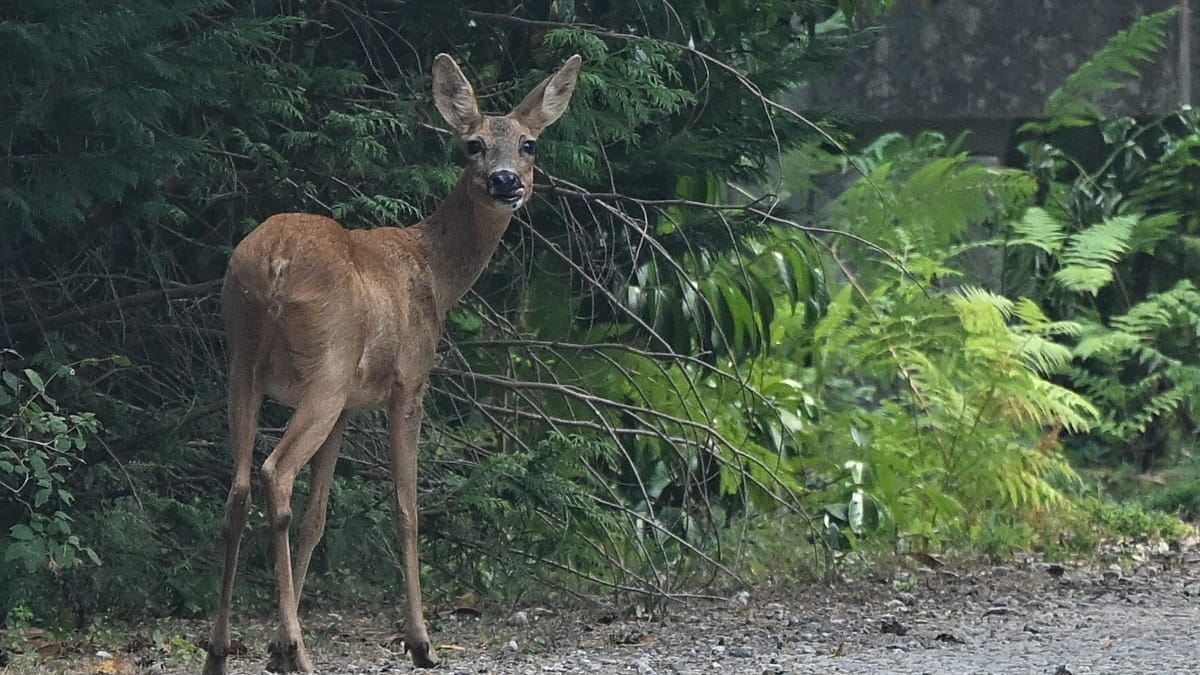
Fontainebleau is not just any forest. It is a unique temperate Atlantic ecosystem with pockets of Mediterranean microclimates, supporting 6,600 animal species and 5,800 plant species—from rare purple orchids to the protected Service tree of Fontainebleau. Red deer, wild boars, European badgers, and red squirrels roam its diverse terrain, while over 250 bird species, including tawny owls and woodpeckers, soar overhead. Beneath the forest floor, 5,000 insect species, including the protected stag beetle, scuttle through the debris.
The forest also holds a significant place in environmental history. In 1948, it hosted a UNESCO conference that led to the creation of the International Union for Conservation of Nature (IUCN), the world's first global environmental union. This heritage has made the destruction particularly poignant for locals and visitors alike.
“It's a bit of our history of our heritage going up in smoke, what will be left in a few years?” said one local resident.
Another added: “Like many French people, we are shocked because this forest is one of our national lungs. It’s sad to see this magnificent forest where I used to walk with my family as a child.”
Recovery and Climate Change
Stefan Doerr, director of the Centre for Wildfire Research at Swansea University, told France 24 that the forest could take up to 30 years to recover from the damage. “We need to prepare the environment more to reduce the risk of fire,” he said, “but we will never eliminate it completely.” Fontainebleau's sandy soil, which struggles to retain water, and progressively deteriorating tree health make it particularly vulnerable to climate change.
This wildfire is part of a broader pattern across Europe. France has sweltered through a series of unusually early heatwaves this summer, which scientists at World Weather Attribution (WWA) say would have been “virtually impossible” without climate change. So far in 2026, 32,000 hectares have burned across France—already surpassing the entire 2025 fire season. Blazes are increasingly cropping up in historically cooler northern regions, as warming driven by fossil fuel combustion pushes global temperatures to historic highs.
In response to the fire, some visitors have called for hunting to be suspended or banned on the historic grounds to give wildlife time to recover. However, forest managers note that regulated culls also play a role in preventing deer and boar overpopulation, which can itself damage forest regeneration.
The Château de Fontainebleau, a 1,500-room UNESCO World Heritage-listed royal palace built in 1528 and considered the seat of the French Renaissance, was spared the flames. The palace, which hosted the 1948 IUCN conference, remains a symbol of French cultural heritage.
As firefighters continue their work, the broader implications for Europe are clear. The continent must adapt its forest management and fire prevention strategies to a warming world. For now, the focus remains on containing the smouldering flames and beginning the long process of regeneration.