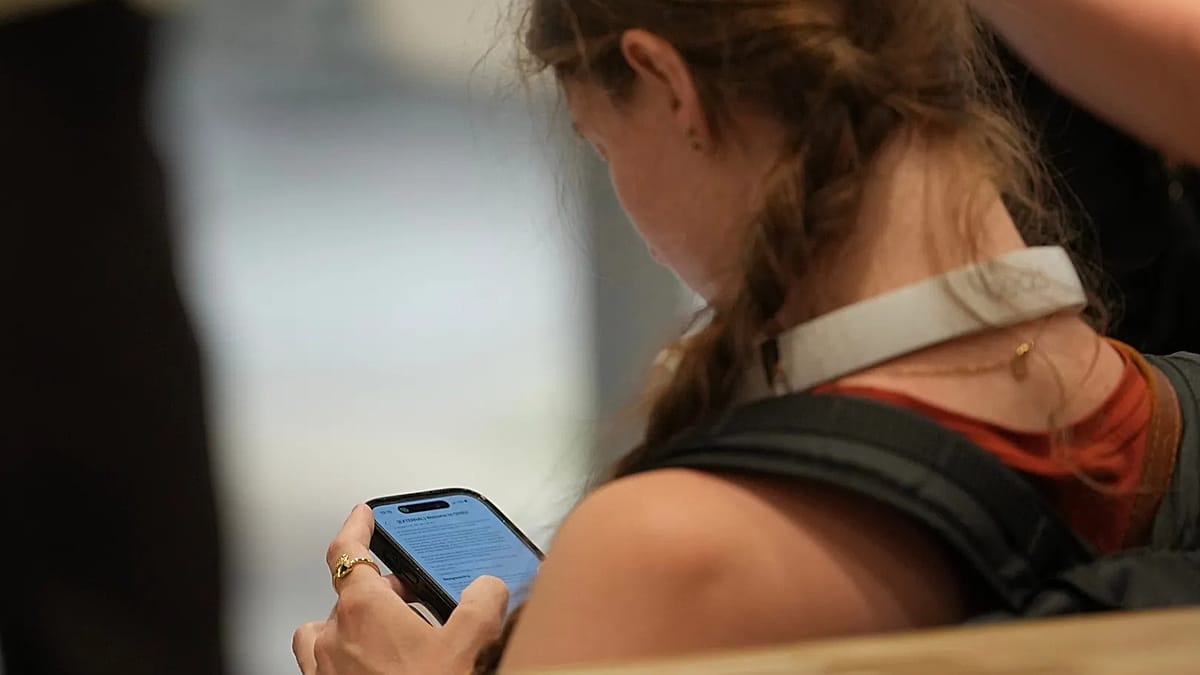
On Wednesday, the British government announced proposals for a voluntary overnight social media curfew targeting 16- and 17-year-olds, the latest move in its ongoing efforts to curb online harm among young people. The measures, which require legislation before taking effect, are among the final initiatives of Prime Minister Keir Starmer's administration and are widely expected to be carried forward by his likely successor, Andy Burnham.
The curfew would apply to platforms including Snapchat, TikTok, YouTube, Instagram, Facebook, and X, but not messaging services such as WhatsApp and Signal. Additionally, features designed to prolong user engagement—such as autoplay videos—would be switched off by default for older teenagers.
Effectiveness Under Scrutiny
Critics have questioned whether teenagers will simply override the default settings. UK Online Safety Minister Kanishka Narayanan dismissed such skepticism, calling it a “disservice” to teenagers. He cited a pilot program involving more than 300 teenagers and parents across the UK, which saw social media usage drop dramatically overnight, along with improvements in sleep and concentration. “In October, for example, some platforms introduced these defaults of this sort – 90%-plus teenagers said to us that they’ve maintained those defaults as well,” Narayanan told Sky News.
The NSPCC, the UK's leading children's charity, welcomed the proposals but warned they are insufficient alone. “Unless they’re followed up with further, stronger measures they will be a sticking plaster that fails to address the addictive design features which are driving high screentime and undermining children’s wellbeing,” said NSPCC chief executive Chris Sherwood.
Rachel de Souza, the Children’s Commissioner for England, described the move as a “positive step,” noting that young people want to reduce social media use but find it difficult. “I want to know more about how the policies, such as a curfew, will be delivered and will be watching closely to make sure they are effective,” she said.
The UK's approach aligns with broader European discussions on age-based social media restrictions. Von der Leyen has backed similar measures, reflecting a growing consensus across the continent that tech companies must do more to protect minors. However, the voluntary nature of the UK curfew contrasts with more regulatory approaches in some EU member states.
As the debate continues, the UK government insists the evidence supports its strategy. Narayanan emphasized that the pilot results demonstrate teenagers are willing to maintain healthier digital habits when given the right defaults. Whether the curfew will be adopted by other European countries remains to be seen, but the issue of youth online safety is unlikely to fade from the political agenda.