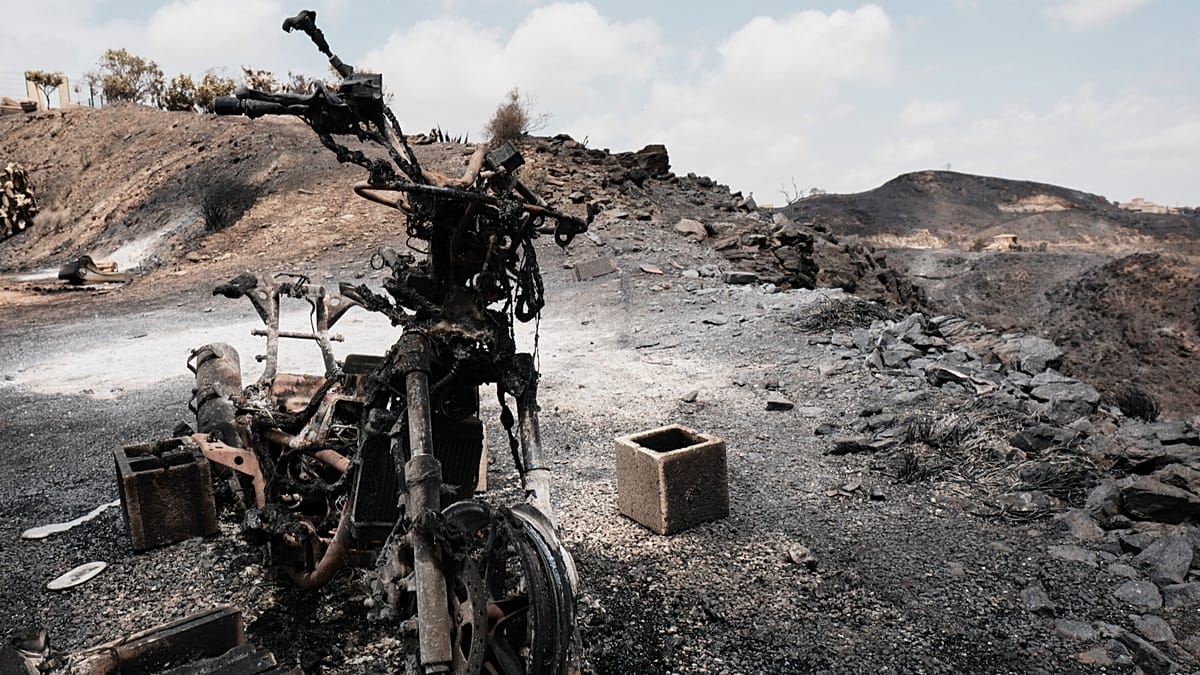
Authorities in Spain have confirmed that 12 of the 13 people killed in last week's wildfire in the southeastern province of Almería were foreign nationals. The Integrated Data Centre (CID), which conducted post-mortem examinations, identified seven victims from the United Kingdom, three from Belgium, one from France, and one from the United States. The remaining victim was a Spanish citizen. All were adults, eight women and five men.
The fire broke out on Thursday near the town of Los Gallardos, a rural area in Almería popular with foreign residents due to its proximity to the Mediterranean coast. High winds drove flames through forests and scrubland that had been dried to tinderbox conditions by extreme heat, turning once-picturesque settlements into ghost towns. Emergency services initially recovered 12 bodies so badly burned that DNA analysis was required for identification.
As of Tuesday, the number of missing-person complaints has risen to ten, after a new alert was filed concerning two individuals. The CID continues to coordinate search efforts with local police and civil protection units.
Cause and Response
Investigators have determined that the fire was ignited by an electrical cable falling onto a road. It scorched approximately 7 square kilometres of land, making it one of Spain's deadliest wildfires in recent years. The blaze has since been brought under control, and residents were allowed to return to their homes on Sunday.
Spanish Prime Minister Pedro Sánchez has called for improved prevention measures in the wake of the disaster, as the country grapples with increasingly severe wildfire seasons. In 2025, more than 393,000 hectares were destroyed by fire across Spain, the highest annual total on record according to the European Forest Fire Information System. The combination of prolonged heatwaves, with temperatures exceeding 40°C, and drought conditions has created a perfect storm for such events.
This tragedy underscores a broader European challenge. Southern Europe, from Portugal to Greece, has seen a surge in wildfires linked to climate change. The European Union has bolstered its civil protection mechanism, deploying firefighting aircraft and personnel through the RescEU programme, but national prevention strategies remain uneven.
For Almería, a province that relies heavily on tourism and agriculture, the economic and emotional toll is severe. Local officials have pledged support for affected families and are working with consulates of the victims' home countries to facilitate repatriation and legal assistance.
As Spain enters what is typically its hottest months, authorities are urging vigilance. The Los Gallardos fire serves as a grim reminder of the human cost of a warming continent.