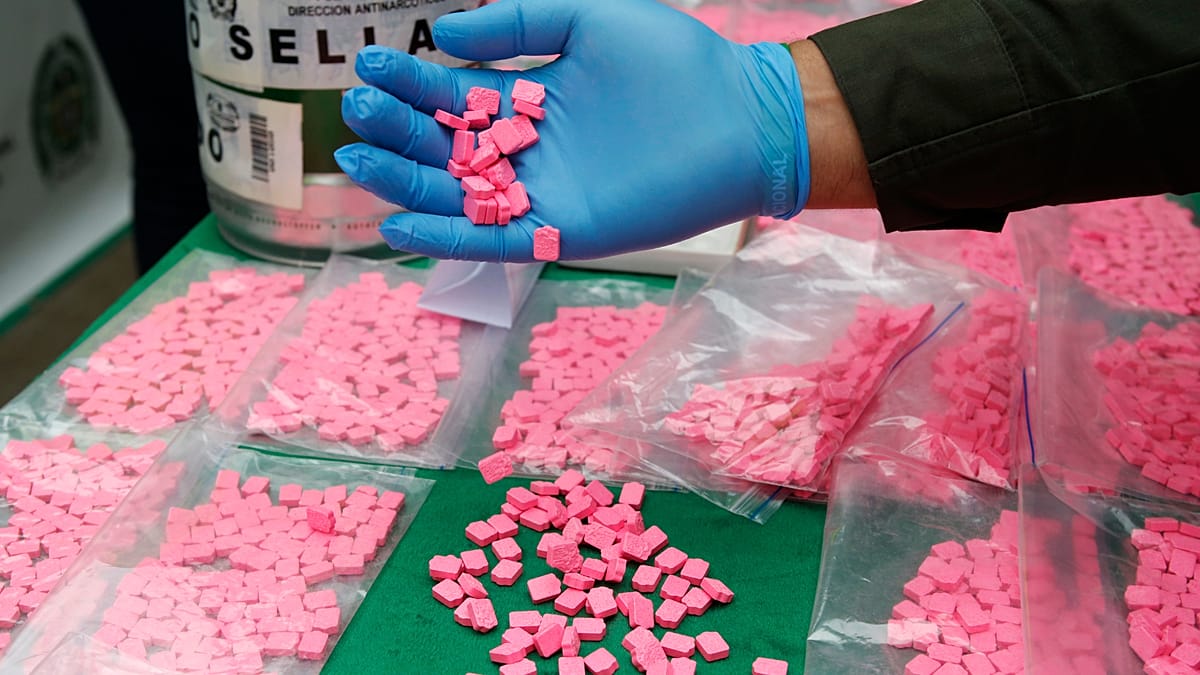
New Zealand has taken a significant step in mental health treatment by approving the use of pharmaceutical-grade MDMA for patients with severe post-traumatic stress disorder (PTSD). The country's medicines regulator, Medsafe, granted the green light to two psychiatrists—Dr. Gary Wynn in Wellington and Dr. Tom Paterson in Auckland—after a rigorous review process lasting over a year.
This move places New Zealand as only the second nation worldwide, after Australia in 2023, to authorize the clinical use of MDMA, commonly known as the party drug ecstasy. The approvals mark a notable shift in the global conversation around psychedelic-assisted therapies.
Official support and rationale
Deputy Prime Minister David Seymour, who previously backed a similar approval for psilocybin—the active compound in magic mushrooms—to treat severe depression, voiced strong support for the decision. "PTSD ruins lives and is difficult to treat," he said. "MDMA can be very effective at treating it through psychedelic-assisted therapy." He added that New Zealand remains committed to expanding access to innovative treatments.
PTSD can develop after exposure to traumatic events such as combat, sexual assault, or sudden death. Existing pharmaceutical options in most countries are limited to two antidepressants that may take up to three months to show effects and often yield inconsistent results.
Evidence base and US rejection
The approval draws on two pivotal international Phase 3 trials conducted by the US-based Multidisciplinary Association for Psychedelic Studies (MAPS) and sponsored by its public benefit corporation, Lykos Therapeutics. In the first trial, published in 2021, 88% of participants with severe PTSD who received MDMA-assisted therapy showed clinically significant improvement, and 67% no longer met the diagnostic criteria for PTSD. A second trial in 2023, involving participants with moderate-to-severe PTSD, found that 71.2% of those treated with MDMA no longer met PTSD diagnostic criteria by the study's end.
Despite these promising results, the US Food and Drug Administration (FDA) rejected the therapy's approval in 2024, citing insufficient evidence of its safety and effectiveness. Regulators raised concerns that participants who had previously used MDMA might have introduced an expectancy bias, complicating the trial data.
Strict clinical controls
New Zealand's Ministry of Health emphasized that the treatment will be tightly regulated. "Treatment takes place in a controlled clinical setting under the care of an authorised psychiatrist and forms part of a comprehensive treatment plan," the ministry said. Patients must be aged 18 or older, and the therapy combines MDMA with psychotherapy rather than providing take-home doses.
This cautious approach mirrors broader European debates on psychedelic therapies. While some European countries are exploring similar treatments, regulatory hurdles remain. The decision in New Zealand could influence discussions in Brussels and national capitals, particularly as the EU grapples with mental health challenges across its member states.
For Europeans watching these developments, the New Zealand approval offers a real-world case study. As EU leaders allocate billions for security, mental health remains a pressing concern, with PTSD affecting many veterans and civilians alike. The potential for MDMA-assisted therapy to offer relief could prompt renewed calls for clinical trials and regulatory reviews within the EU.
Meanwhile, New Zealand's move also comes amid other policy shifts, such as proposed social media restrictions for minors, reflecting a broader governmental focus on public health and wellbeing.
As the global medical community watches, the success or failure of New Zealand's program will be closely monitored. If the therapy proves effective in real-world settings, it could pave the way for wider acceptance, potentially reshaping PTSD treatment protocols in Europe and beyond.