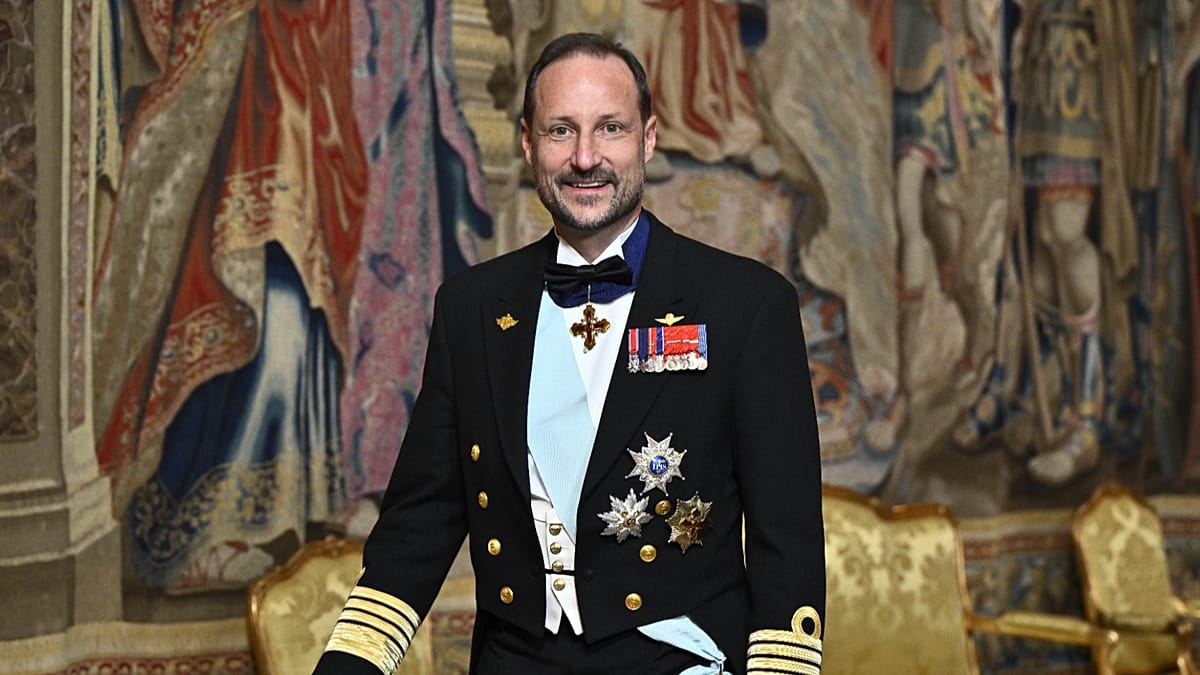
The Norwegian royal household announced on Tuesday that Crown Prince Haakon will significantly scale back his official schedule to devote more time to his wife, Crown Princess Mette-Marit, whose health has deteriorated due to a chronic lung condition. The palace confirmed that the princess has been added to a waiting list for a lung transplant, a procedure doctors consider a last resort when a patient is expected to have less than two years to live.
Mette-Marit, 52, was diagnosed in 2018 with a rare form of pulmonary fibrosis, a progressive scarring of the lungs that causes severe breathing difficulties. While awaiting the transplant, she will be unable to carry out any official duties, the palace said in a statement to the AFP news agency. The crown prince, who is next in line to the Norwegian throne, has already cancelled several engagements this week, including a cabinet meeting on Friday and events scheduled for Tuesday and Wednesday.
Royal Duties Adjusted Amid Personal Crisis
The palace’s email emphasized that the future king will adjust his schedule going forward so he can spend more time with his wife. The decision reflects the seriousness of her condition and the need for family support during a medically critical period. The crown prince’s reduced public presence is expected to continue indefinitely, though the palace did not specify a timeline.
This health crisis comes at a particularly challenging moment for the Norwegian royal family. Just a day before the palace’s announcement, an Oslo court sentenced Marius Borg Høiby, Mette-Marit’s 29-year-old son from a previous relationship, to four years in prison. Høiby was convicted on two counts of rape and 32 other offenses, including repeated domestic abuse against an ex-girlfriend, traffic violations, and issuing threats. He was acquitted of two additional rape charges. Høiby, who is not formally part of the royal household and has no steady employment, has denied the most serious allegations, and his lawyers have indicated they will appeal the verdict.
The juxtaposition of these two events has drawn intense media scrutiny in Norway and across Europe. While the crown prince focuses on his wife’s health, the legal proceedings involving her son have added a layer of personal and public strain. The palace has not commented on the sentencing, which is a separate matter from the crown princess’s medical situation.
Norway’s constitutional monarchy has long been a symbol of stability, and the crown prince’s decision to prioritize family over official duties is seen as a reflection of the country’s values. The royal household has historically been careful to balance public expectations with private needs, and this move is consistent with that approach.
For more on the legal case, see our coverage of Norway Crown Princess's Son Sentenced to Four Years for Rape.
The crown princess’s health has been a matter of public concern since her diagnosis. Pulmonary fibrosis is a serious condition with no cure, and a lung transplant offers the only chance for long-term survival. The waiting list for donor organs in Norway is managed by the national health system, and the princess’s placement on it underscores the severity of her illness.
As the crown prince steps back from his duties, other members of the royal family, including King Harald V and Queen Sonja, are expected to take on additional public engagements. The Norwegian government has expressed its support for the royal family during this difficult time.
This story highlights the human side of Europe’s royal families, who often navigate personal tragedies under the public eye. The crown prince’s decision to reduce his workload is a reminder that even those in positions of power must sometimes prioritize family over duty.