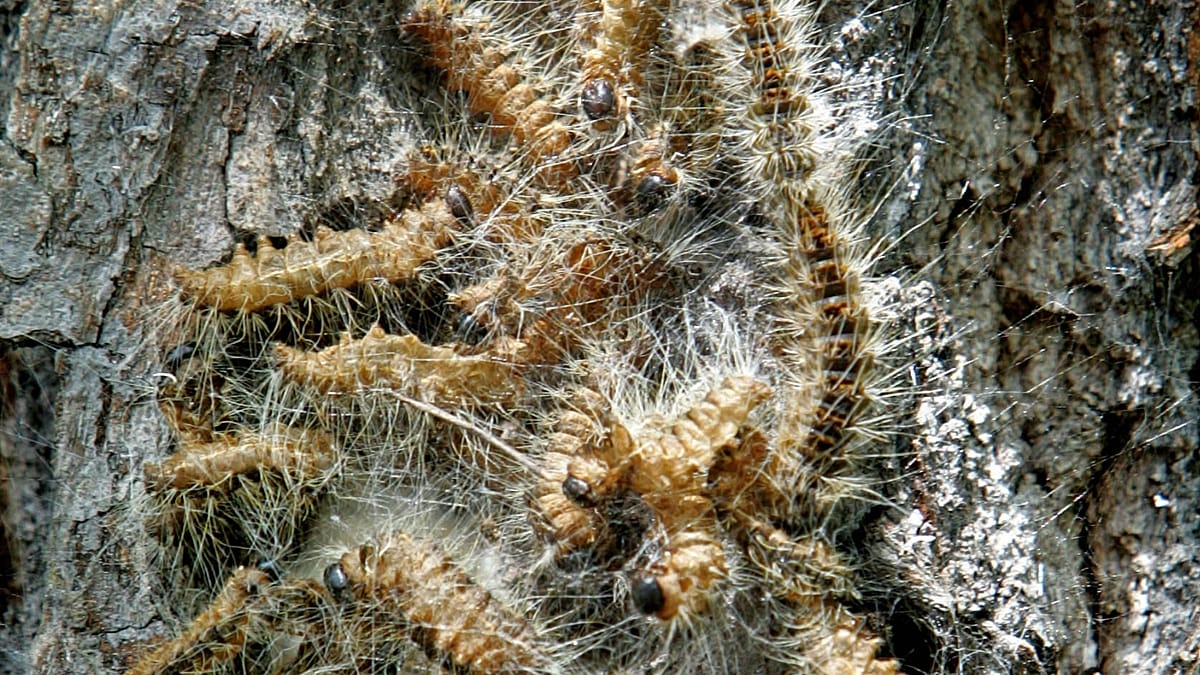
Berlin's Charlottenburg-Wilmersdorf district is grappling with a severe infestation of oak processionary caterpillars (Thaumetopoea processionea), whose toxic hairs have forced the closure of sports grounds and public parks. The worst-affected area is around Jungfernheide, where residents report caterpillars covering door frames, cars, façades, and even light fittings.
District councillor Nico Kaufmann (SPD) told B.Z. that older people no longer dare to leave their homes. Children are covered in blisters, and some locals say they can only manage daily life with cortisone tablets. The fine stinging hairs of the caterpillar contain the protein thaumetopoein, which can become airborne and penetrate skin, eyes, or respiratory tract, causing severe itching, rashes, conjunctivitis, and breathing difficulties. The hairs remain active in old nests long after the caterpillars have left.
Authorities Refuse to Act
The Berlin health authorities have declined to intervene because the oak processionary caterpillar is not classified as a classic pest like rats. Additionally, the plant protection office prohibits the use of biocides against them. This inaction mirrors last year's failure to tackle the problem in time, leaving residents to take matters into their own hands.
The situation highlights a broader challenge across Europe: the spread of invasive species and pests driven by climate change. Warmer temperatures allow species like the oak processionary moth to thrive further north than before. Similar outbreaks have been reported in other German states and neighbouring countries, raising questions about coordinated EU-level responses. For context, Berlin has also seen the arrival of the Asian tiger mosquito, another climate-fuelled health concern.
Local residents have formed volunteer groups to manually remove nests, but the work is dangerous without proper protective equipment. The district office has provided limited guidance but no direct support. Kaufmann called for a reassessment of the pest classification, arguing that the health risks to vulnerable populations justify a more proactive approach.
This incident also underscores the tension between environmental regulations and public health. The ban on biocides is intended to protect non-target insects and ecosystems, but critics say it leaves communities exposed. Similar debates are playing out across Europe, from Portugal's lifeguard crisis to healthcare waiting lists, where resource constraints and regulatory hurdles collide with urgent needs.
For now, residents of Jungfernheide and surrounding neighbourhoods are left to cope as best they can. The city's green spaces, a cherished feature of Berlin life, have become zones of danger for the very people who need them most.