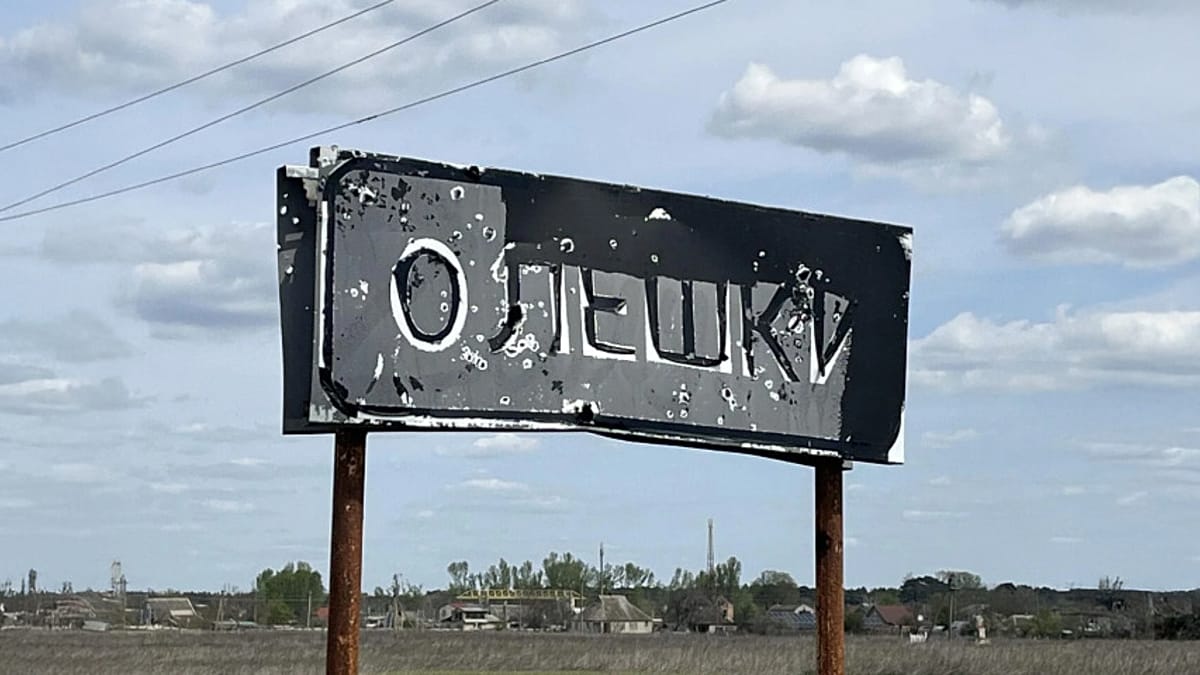
In the occupied city of Oleshky, in Ukraine's Kherson region, the remaining residents are being slowly starved. Russian forces have blocked all regular food supplies since May, and are actively preventing both humanitarian deliveries and the evacuation of the roughly 2,000 civilians still trapped there. The Council of Europe's human rights commissioner has warned that these people face "a high risk of death" without food, medicine, water, or electricity.
Ukrainian forces have managed to deliver around four tonnes of food to the city using drones, in one of the largest operations of its kind since the full-scale invasion began in February 2022. But the deliveries are dangerous and often unsuccessful. Oleksandr Prokudin, head of the Kherson regional military administration, says Russian troops shoot down the drones, confiscate or resell any supplies that reach the ground, and detain residents found with humanitarian parcels. Soldiers are also conducting house-to-house searches for dropped food.
A city under siege
Oleshky, which had a pre-war population of about 25,000, is now home to fewer than 2,000 people, including nearly 50 children, according to the regional administration. The All-Ukrainian Council of Churches and Religious Organisations puts the figure higher, estimating that more than 6,000 people remain in the city and its surroundings, including around 200 children. Many of those left behind are elderly, sick, or unable to flee.
The situation has deteriorated sharply since the destruction of the Kakhovka dam in June 2023, which flooded large parts of the region, destroyed hundreds of homes, and blocked wells and sewage systems. At least 200 to 300 people died in Oleshky in the flooding alone. Residents now rely on their own gardens for food, face chronic medicine shortages, and move between abandoned buildings to avoid drone attacks and looting by Russian troops.
"People are lying on the roads, rotting, unburied. Today in the basement of the hospital, the very one that has had no electricity for four years now, there are more than 100 corpses," Tetyana Hasanenko, an employee of the Oleshky city military administration, told ABC News. The 34th Separate Marine Brigade "Borysfen," which is involved in the drone deliveries, published footage in April that it said showed a settlement Russian forces had "turned into a ghost town."
Musician Artem Pivovarov, who has been documenting the situation, said: "People are forced to eat grass and weeds to survive. The roads are mined, it is almost impossible to get out safely, and shelling and drone attacks continue all around. There are reports that the bodies of those killed remain on the streets for months, there is no one to collect them."
Evacuation plan blocked
Kyiv has drawn up a humanitarian evacuation plan that the International Committee of the Red Cross is prepared to join. But Ukraine's human rights ombudsman, Dmytro Lubinets, says Russia has not confirmed its readiness to allow the mission to proceed. Without agreed access, volunteers cannot enter the city on their own.
Foreign Minister Andrii Sybiha has called on international organisations to secure humanitarian access. "Russia is deliberately provoking a humanitarian catastrophe in the occupied part of the Kherson region. It is blocking access to food and medicine, obstructing the delivery of humanitarian aid and the evacuation of civilians, while Russian FPV drones hunt people in the streets," he said.
The UN mission in Ukraine described the situation in Oleshky as "desperate" in June, saying thousands of civilians faced "a serious threat to their lives, a lack of food and no access to medical care." Michael O'Flaherty, the Council of Europe's Commissioner for Human Rights, said he was "alarmed by the rapidly worsening humanitarian crisis."
"Civilians, including children, are trapped without sufficient food, medicines, medical care, running water or electricity," O'Flaherty said. "Reports indicate that they face a high risk of death." He reminded Russia of its legal obligations under international humanitarian law, which requires an occupying power to ensure the population has access to food and medicines.
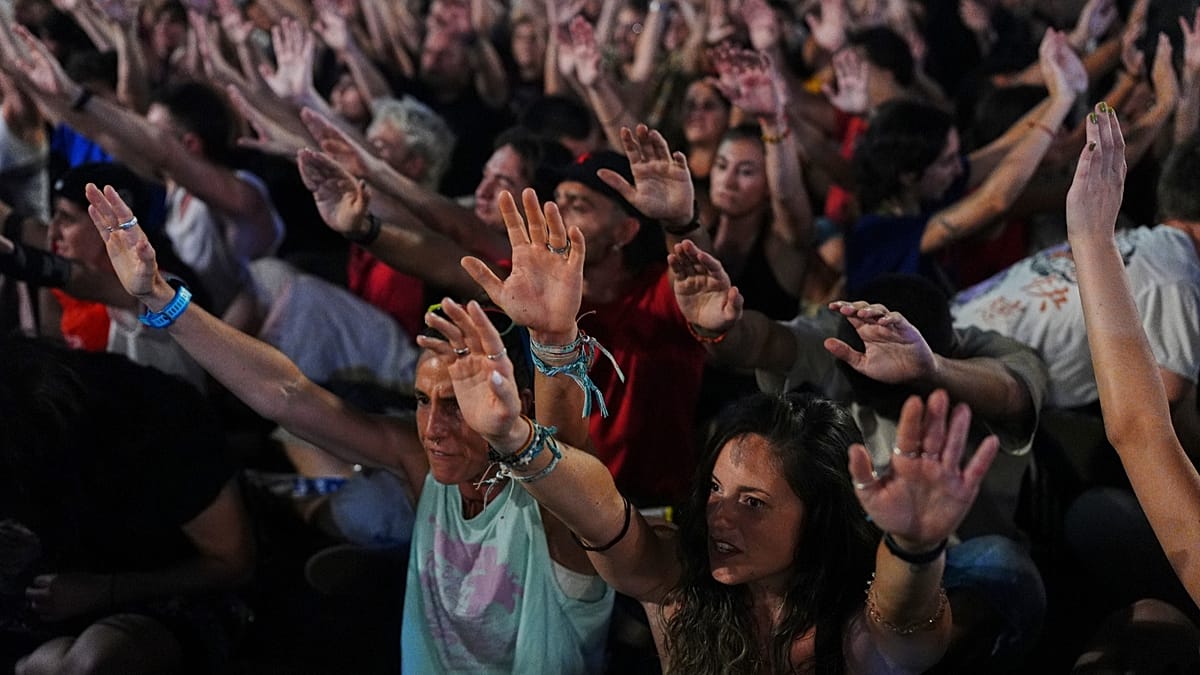
Ukrainian tennis player Oleksandra Oliinykova, ranked world number 47, drew public attention to the city on social media: "Please, google Oleshky. It is a town that is currently under temporary occupation. There is a humanitarian catastrophe there." Ukrainian supporters also displayed a banner reading "Save Oleshky" during a recent Hungary-Ukraine football match.
Kremlin spokesman Dmitry Peskov acknowledged that the situation in Oleshky was "indeed critical" but blamed the "Kyiv regime" for blocking deliveries. Oleshky is not the only Ukrainian settlement rendered uninhabitable under Russian occupation or bombardment. Mariupol was razed in a weeks-long siege in spring 2022, while Bakhmut and Avdiivka were almost entirely destroyed before falling to Russian forces in 2023 and 2024. Towns including Volnovakha, Rubizhne, and Maryinka have been reduced to rubble along the frontline. Ukrainian authorities estimate that more than 210,000 buildings have been destroyed across the country since the full-scale invasion began.
The humanitarian crisis in Oleshky is a stark reminder of the human cost of Russia's war. As the EU and its member states continue to debate funding for Ukraine, the people of Oleshky are running out of time. The international community's response, or lack of it, will determine whether they survive the winter.