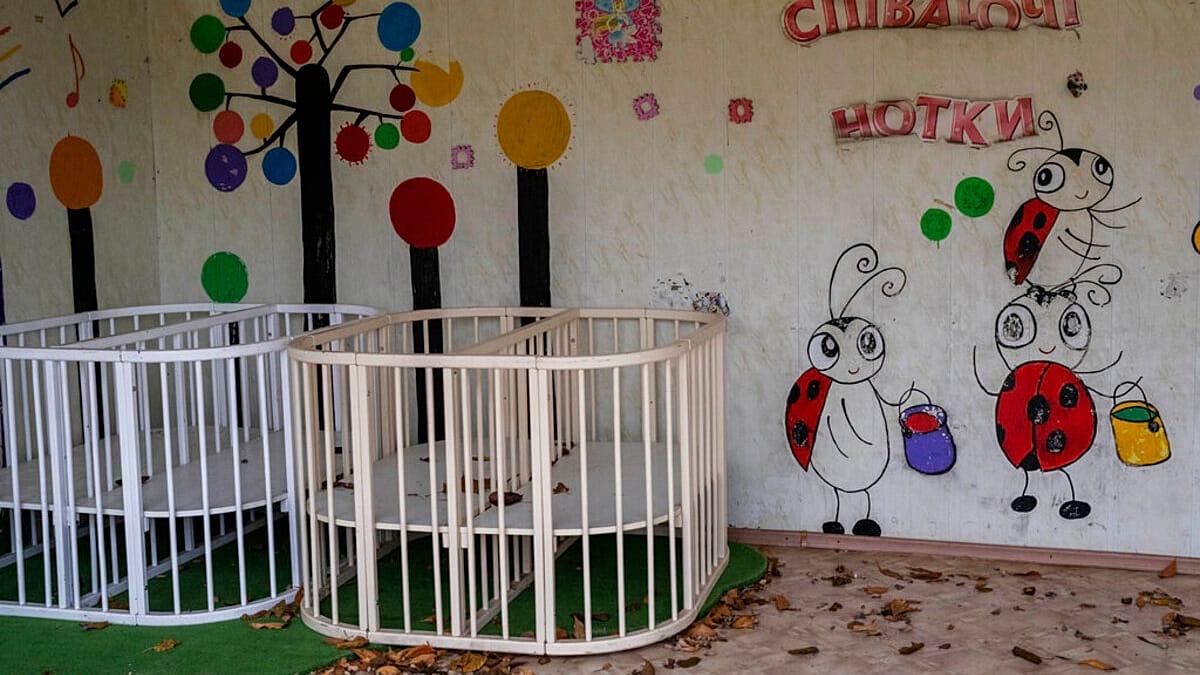
In a decisive vote on Thursday, the European Parliament called on Russia to immediately and unconditionally return all Ukrainian children who have been deported or forcibly transferred since the start of the full-scale invasion. The resolution, passed with 536 votes in favour, 8 against and 37 abstentions, condemns what lawmakers describe as a systematic campaign of forced displacement, illegal adoption, Russification and militarisation of Ukrainian minors.
The text, which updates a similar measure adopted more than a year ago, stresses that the return of these children is a legal obligation under international law and must not be linked to territorial concessions, prisoner exchanges or any other political bargaining. The parliament insists that accountability for these actions is a prerequisite for any lasting peace in Europe.
Confirmed numbers and ongoing crisis
According to figures cited by Brussels, as of September 2026, at least 20,651 cases of deportation and forcible transfer of Ukrainian children have been confirmed. In addition, an estimated 1.6 million Ukrainian children remain in territories under Russian occupation. By 28 October 2026, only 2,752 children had been returned to Ukraine.
MEPs argue that the scale of the problem demands urgent international action. They are calling on EU member states to step up practical cooperation with Ukraine, international partners and specialised organisations to speed up the identification, documentation, tracing and return of missing and deported children.
Genocide accusations in the debate
During the parliamentary debate, several members described Russia's treatment of Ukrainian children as genocide. Latvian MEP Rihards Kols (ECR) and Lithuanian liberal Petras Auštrevičius (Renew) were among those using the term. Auštrevičius said: "These are war crimes, crimes against humanity and an attempt to conceal genocide. Ukrainian children have only one homeland, Ukraine. That is where they belong."
The European People's Party, the largest group in the parliament, issued a statement noting that under international law, the forcible transfer of children from one group to another with the intention of destroying that group constitutes genocide and must be punished.
EU foreign policy chief Kaja Kallas went further, suggesting that Russia may already be sending abducted Ukrainian children to fight against their own country. The parliament also demanded the immediate closure of online catalogues that offer Ukrainian children for adoption or placement with foster families.
Expanding sanctions and accountability
The resolution calls on the EU to expand existing sanctions against officials and organisations involved in the deportation of children. It also reiterates full support for the International Criminal Court (ICC) and its arrest warrants for Russian President Vladimir Putin and Maria Lvova-Belova, the Russian presidential commissioner for children's rights, over the unlawful deportation and transfer of Ukrainian children.
MEPs stressed that responsibility should extend beyond the top leadership to the entire chain of individuals who directly committed or facilitated these crimes. The parliament's stance aligns with broader European efforts to document war crimes and ensure that those responsible are held to account.
The resolution comes amid heightened tensions over Russia's actions in Ukraine, including recent incidents such as the car bomb killing a Russian officer in St Petersburg and the ongoing challenges faced by Ukrainian forces, as highlighted by Starshield speed limits in Ukraine. Meanwhile, diplomatic efforts continue, with Zelenskyy set to meet US envoys in Dublin after talks with Russia.
The European Parliament's resolution is a clear signal that the bloc considers the fate of Ukrainian children a central issue in its response to Russia's aggression. As the war grinds on, the demand for their return remains a moral and legal imperative that cannot be ignored.