Ukrainian President Volodymyr Zelenskyy said on Thursday that speed restrictions on Starshield, the military-grade version of SpaceX's Starlink satellite service, have been reimposed, disrupting Ukraine's ability to intercept Russian drones and allowing some strikes to hit their targets. The restrictions have affected Ukrainian military operations for several days across the entire front line and in Russian-occupied territories, according to briefings from Defence Minister Yevhenii Khmara and Commander-in-Chief Mykhailo Drapatyi.
"Specifically, systematic speed restrictions are being imposed on Starshield, limiting it to 161 kilometers per hour (100 miles per hour)," Zelenskyy wrote on X. He said Ukraine's military had investigated the disruptions and concluded they were not random technical errors but deliberate, systematic restrictions.
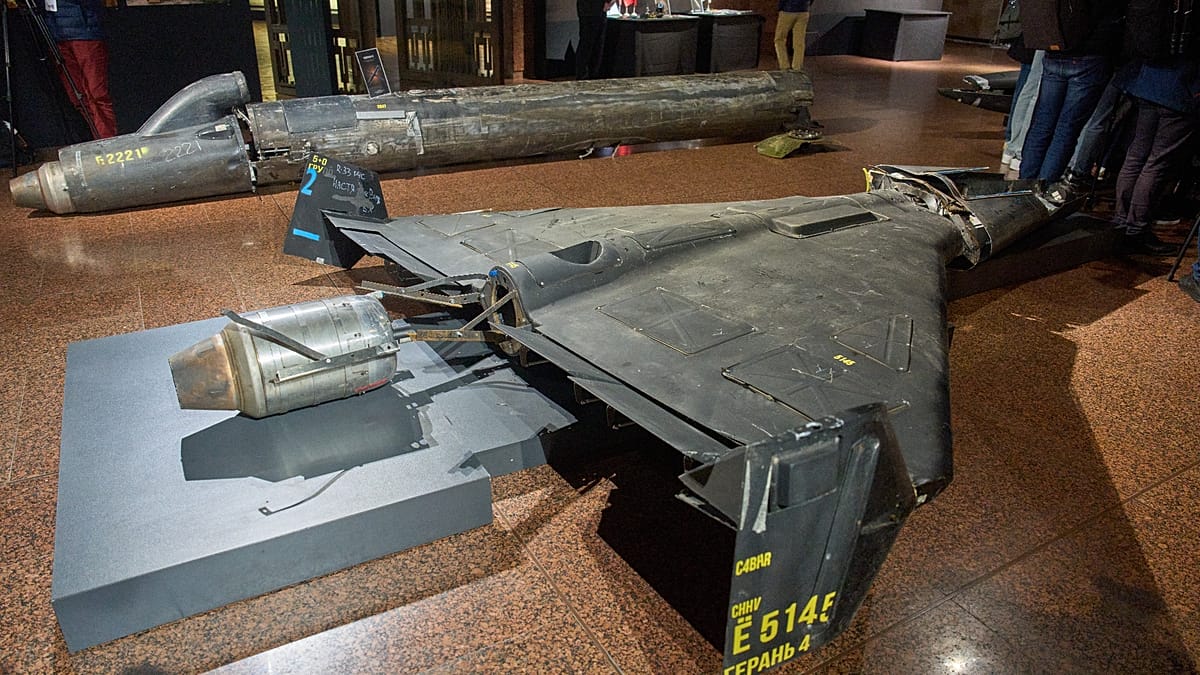
"For us, this primarily means a significant complication in intercepting Russian jet-powered drones," the Ukrainian president said. "Unfortunately, there have already been strikes that got through because our interception systems cannot reach sufficient speeds and are unable to intercept in time." Zelenskyy warned that the restrictions are helping Russia carry out more accurate attacks and causing further Ukrainian casualties. "We are trying to establish all the circumstances with the American side," he added.
Restrictions return weeks after being lifted
The renewed restrictions come less than three weeks after Ukraine announced that limits on Starlink and Starshield had been lifted following high-level contacts with Washington. On 24 October, Ukraine's Defence Ministry confirmed that connectivity had been restored, with stable connections at speeds exceeding 400 kilometres per hour. The restrictions were first recorded overnight on 13–14 October, when terminals used by Ukrainian forces began losing connectivity at movement speeds of around 160 kilometres per hour, disrupting drone operations, logistics and battlefield communications.
The restrictions limit how fast drones and other equipment using Starshield can travel while maintaining satellite connectivity, rather than the speed of the internet connection itself. They are particularly disruptive for high-speed interceptor drones used to counter Russian jet-powered attack drones.
Responsibility for the initial October restrictions remains disputed. Then-President Donald Trump denied ordering the slowdown at the time, while US Secretary of State Marco Rubio said the administration was not responsible. SpaceX chief executive Elon Musk said decisions over Starshield speed restrictions were made by the US military and ultimately the US president, writing on X that "Starshield systems are owned and controlled by the US government." Neither Washington nor SpaceX has publicly accepted responsibility for imposing the restrictions.
Ukraine's dependence on US satellite communications
The renewed disruptions come as Kyiv seeks to extend its agreement with Washington for access to Starshield, which is set to expire in mid-2027. Ukrainian officials have warned that negotiations on a new agreement need to begin soon, given the importance of the network to the country's military operations. Starshield plays a critical role in Ukraine's battlefield communications and drone operations, leaving Ukrainian forces heavily dependent on a system controlled by the US government.
On 22 October, Ukraine's Defence Ministry signed a letter of intent with Finnish companies ICEYE and Nokia to explore the development of a sovereign satellite communications system that would give Kyiv greater control over its military connectivity. This move underscores a broader European push to reduce reliance on US-owned infrastructure, a theme that resonates in Brussels and other capitals.
The restrictions also complicate the already fragile US-mediated peace negotiations. Two days of talks in Abu Dhabi this week ended without a breakthrough on the main disputes, including Moscow's demand that Kyiv surrender territory it still controls. European leaders have been watching these talks closely, with some, like former NATO chiefs urging Europe to earn its place at the table. Meanwhile, EU budget and Ukraine aid links remain a point of contention among member states.
For Ukraine, the immediate concern is operational: without reliable high-speed satellite connectivity, its drone interceptors are less effective, and Russian strikes are more likely to succeed. The longer-term question is strategic: how long can Kyiv depend on a system controlled by Washington, especially when that control can be used as leverage in diplomatic negotiations? As Zelenskyy seeks answers from the American side, European partners are watching closely, aware that the outcome could shape the continent's security architecture for years to come.