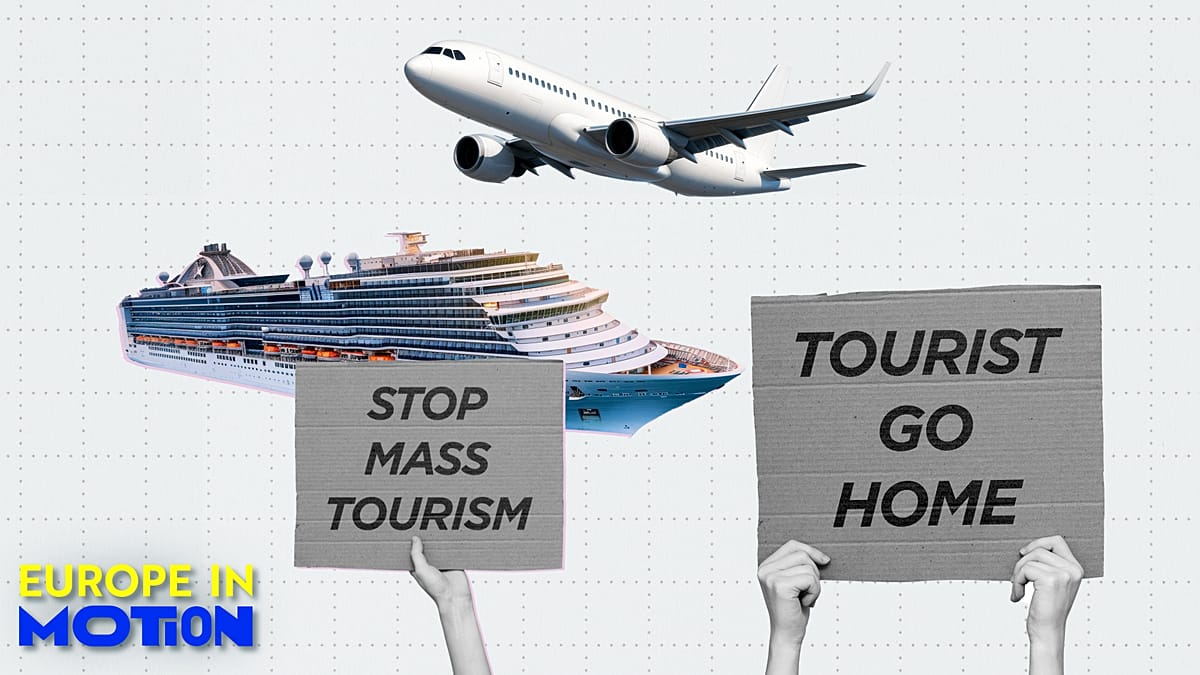
Tourism remains a vital economic engine for much of Europe, but its unchecked growth is increasingly straining local communities. A new study by the digital entertainment platform JB.com ranks Spain, Italy, and France as the three European countries where anti-tourism sentiment is most intense, driven by housing shortages, rising living costs, and overcrowding in historic cities.
The study analyzed protest intensity, media coverage, tourist tax rates, and visitor-to-resident ratios across 30 countries worldwide. Spain topped the list, with anti-tourism demonstrations recorded in more than 40 cities, from Barcelona to the Canary Islands. In June 2025, protesters in Barcelona marched through central streets holding signs reading “Tourism is killing Barcelona” and squirted water pistols at tourists in popular areas. The Spanish tourism ministry reported a 3.4% increase in tourist arrivals in the first four months of 2026, with international flight bookings for June up 7.1% compared to the same period last year.
Italy and France Follow Suit
Italy ranked second, with protests in Venice, Rome, Florence, Naples, and Milan. Some activists have sabotaged key boxes used by short-term rental landlords to express frustration over the lack of affordable housing for locals. Venice has reintroduced a day-tripper tax on specific weekends from April through July, charging visitors entering on Fridays, Saturdays, and Sundays. France, meanwhile, saw a 2.6% rise in June flight bookings, according to data from the Spanish tourism ministry, and has experienced growing local discontent in cities like Paris and Marseille.
The study also highlighted that Italy expects a 12% increase in June passenger numbers compared to 2025, while France anticipates a 2.6% rise. These figures underscore the scale of the challenge for policymakers trying to balance economic benefits with quality of life for residents.
In contrast, Cyprus and Albania emerged as the most welcoming destinations in Europe, with no documented anti-tourism protests and minimal regulatory pressure on visitors. Both countries have relatively lower visitor-to-resident ratios and have not introduced significant tourist taxes, making them attractive alternatives for travelers seeking less crowded experiences.
The backlash is not limited to the Mediterranean. Across the continent, cities from Amsterdam to Dubrovnik have experimented with measures to manage tourist flows, including caps on cruise ship arrivals, restrictions on short-term rentals, and promotional campaigns to disperse visitors to lesser-known regions. For example, Ibiza's Sant Josep municipality is using data and AI to curb illegal tourism, a sign that technology is being deployed to address the problem.
The findings come as Europe's tourism sector continues to rebound strongly after the pandemic. The European Travel Commission projects that international tourist arrivals to Europe will exceed pre-2019 levels by the end of 2026. However, the social costs are becoming harder to ignore. Housing affordability is a particular flashpoint: in cities like Barcelona, Lisbon, and Berlin, rents have soared partly due to the proliferation of short-term rental platforms, pushing locals out of city centers.
For travelers, the message is clear: choose destinations wisely and respect local communities. The study suggests that countries like Cyprus and Albania offer a more welcoming environment, while visitors to Spain, Italy, and France should be prepared for potential friction. As the debate over overtourism intensifies, European governments are under pressure to find sustainable solutions that preserve both the economic benefits and the social fabric of their most visited places.