Two reports published on 27 October paint a stark picture of the global climate effort. The first, from the UN, shows that current national pledges under the Paris Agreement are woefully inadequate. The second, from Oxfam, exposes how the world's wealthiest individuals are not only driving the crisis but also cashing in on its consequences.
Pledges fall far short
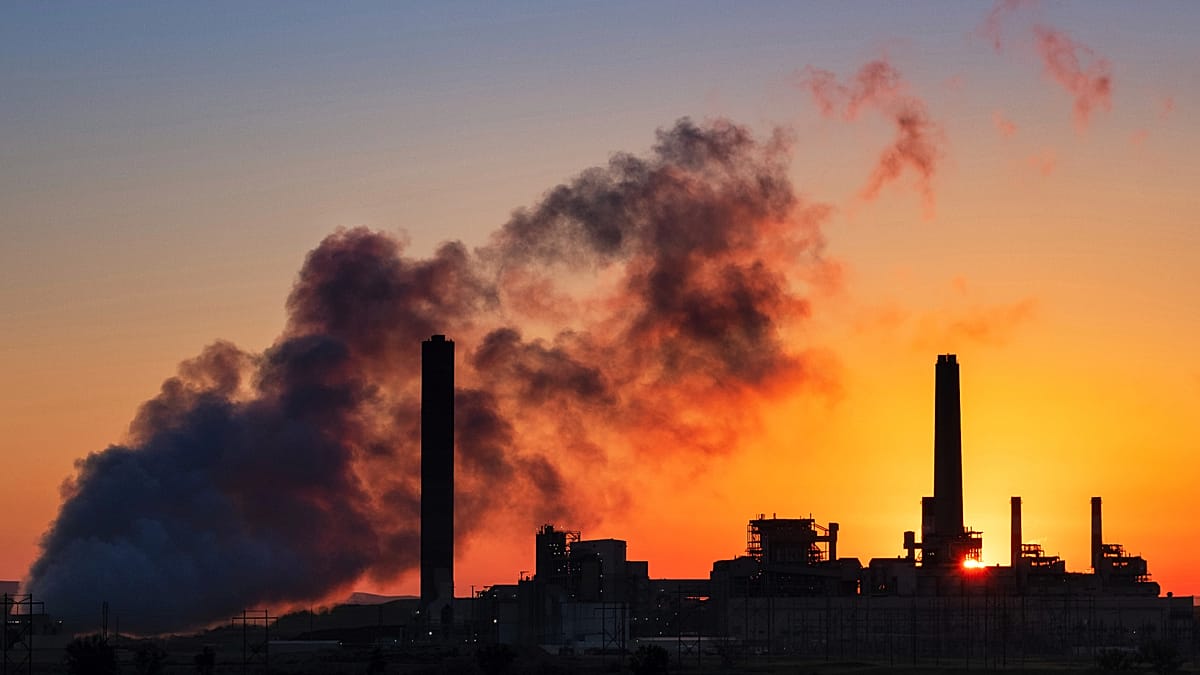
The UN's assessment of 154 countries' climate plans, covering 71% of global emissions, finds that if fully implemented they would reduce greenhouse gas emissions by just 6% by 2035 compared to 2019 levels. This is a downgrade from last year's projection of a 10% cut, largely due to the United States' withdrawal from the Paris Agreement. Even if all conditional targets are met, the reduction would only reach 9%.
Scientists say that to avoid the most catastrophic impacts of climate change, emissions must fall by 60% by 2035 to keep warming within the 1.5°C threshold. The UN warns that even the fallback target of 2°C would require a 37% cut by 2035. Earlier this month, the UN noted that the world is on track for a temporary or prolonged overshoot of 1.5°C, prompting the EU's climate chief to urge preparations for a potential 3°C warmer Europe.
Private finance: a double-edged sword
While government action lags, private climate finance is growing. The UN reports that global climate finance averaged $1.9 trillion (€1.7tn) annually in 2023-24, a 32% increase from 2021-22, driven largely by investments in renewables, electric vehicles, and heat pumps. However, Oxfam's new 'Destroy and Rebuild Index' reveals that the super-rich are often profiting from both sides of the climate crisis.
The index, part of the report 'Disaster Divide: How climate chaos deepens inequality and enriches the few', examined 217 companies in high-polluting industries and disaster preparation or recovery businesses. These companies averaged $1.8 billion (€1.6bn) in profits in 2025 and paid out over $1 billion on average to shareholders. The global disaster recovery market is projected to grow from $70bn (€63bn) to $92bn (€84bn) annually by 2029.
Oxfam argues that the investments of the world's 1,000 richest billionaires were linked to 486 million tonnes of CO2 equivalent in 2025—if they were a country, they'd rank as the 19th biggest polluter. 71% of these investments are in high-polluting sectors like oil, gas, and chemicals.
Inequality machines
The report highlights that the richest 0.1%—around eight million people—emit more than the poorest 44% of humanity combined. Emissions from the richest 1% have contributed to about 20% of global warming since 1990, and a single year of their emissions will cause an estimated 1.9 million excess heat-related deaths over the next century.
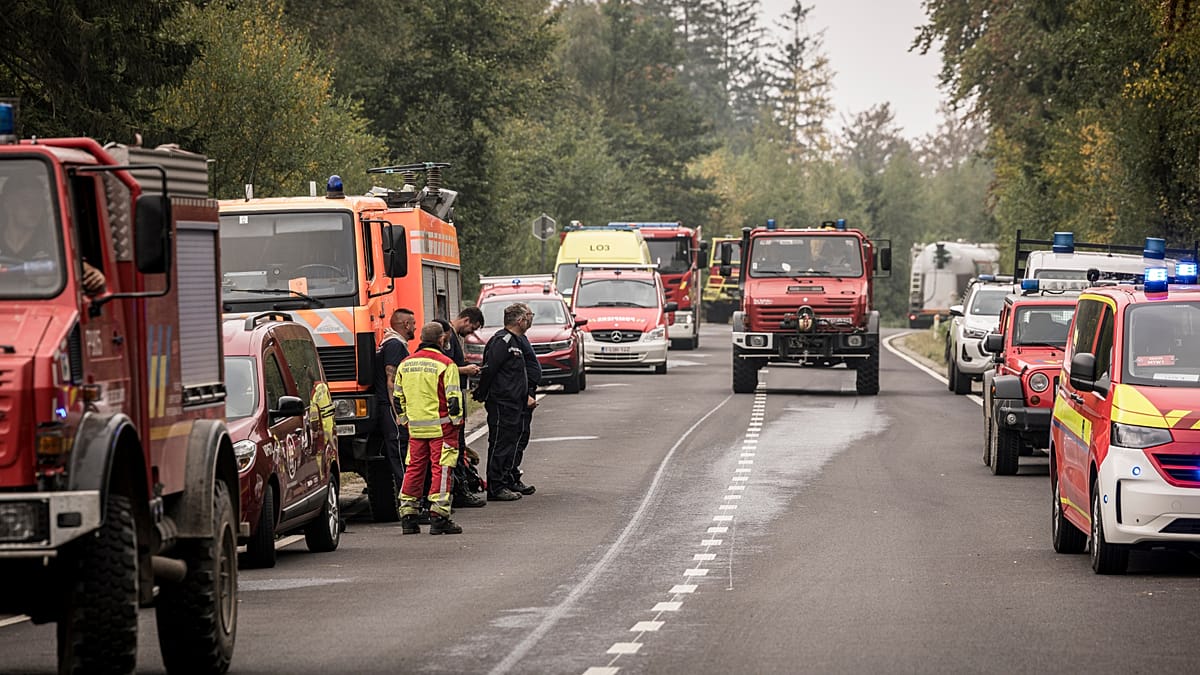
Oxfam calls climate disasters "inequality machines," citing research in the journal Nature showing flood deaths are seven times higher in more unequal countries. The wealthy can shield themselves with safer homes, private firefighters, and insurance, while poorer communities bear the brunt.
As European policymakers grapple with these findings, the EU's own climate plans have been praised for their health focus, but emissions cuts remain insufficient. The bloc is also boosting adaptation funding, with the European Investment Bank doubling its climate adaptation budget to €30bn as extreme weather costs mount. Yet Oxfam's report suggests that without addressing the role of the super-rich, both in driving emissions and profiting from disasters, global efforts will remain inadequate.