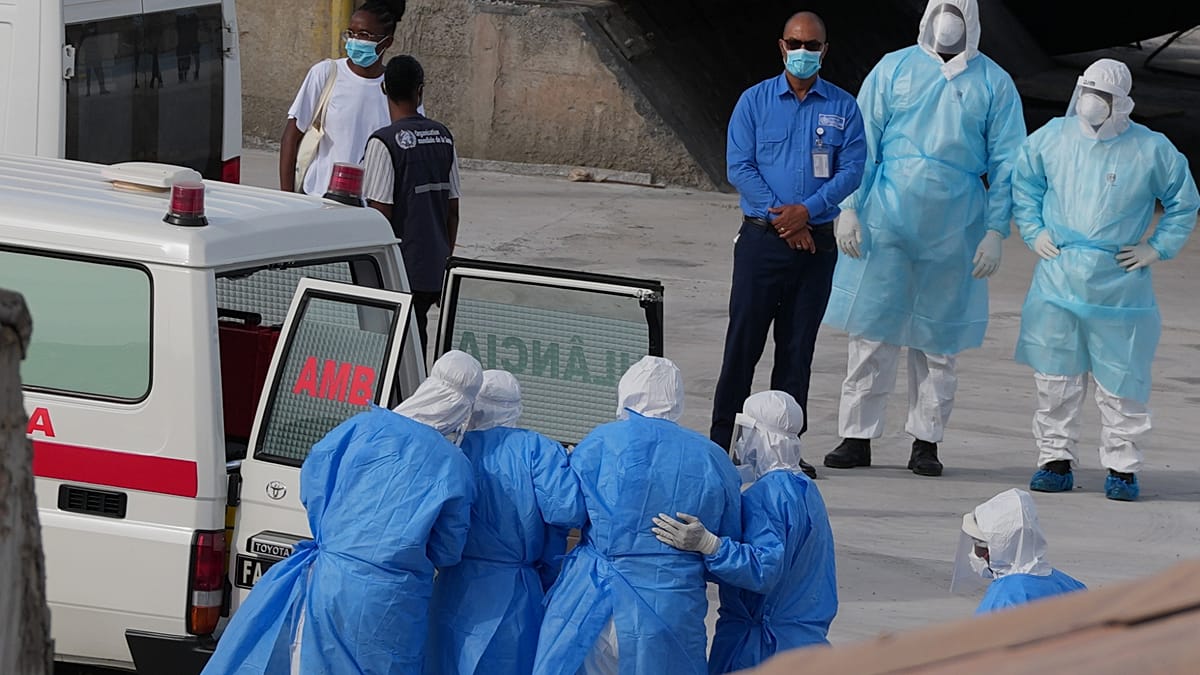
Scientists at the University of Oxford have initiated the world's first human clinical trial of a vaccine specifically designed to combat Bundibugyo Ebolavirus, a rare but deadly strain of the virus. The trial comes as an ongoing outbreak in the Democratic Republic of the Congo and Uganda continues to spread, with infection numbers still rising.
Phase I Trial in Oxford
The Phase I study, conducted by the Oxford Vaccine Group, will enroll 50 healthy adults aged 18 to 55 in Oxford. Researchers will assess the vaccine's safety and the immune response it generates. Volunteers are currently being recruited, and vaccinations will begin in the coming weeks after regulatory approval, with follow-up visits scheduled thereafter.
“Every step that brings a safe and effective vaccine closer helps strengthen our ability to protect vulnerable communities, save lives and bring this outbreak under control,” said Nicole Lurie from the Coalition for Epidemic Preparedness Innovations (CEPI). She described the Oxford team’s work as a “pivotal milestone in the response effort.”
Further clinical studies are also being prepared in Uganda, pending regulatory approval, at the Medical Research Council/Uganda Virus Research Institute and the London School of Hygiene and Tropical Medicine's Uganda Research Unit. This collaboration underscores the importance of international research partnerships in tackling emerging health threats.
Outbreak Escalates
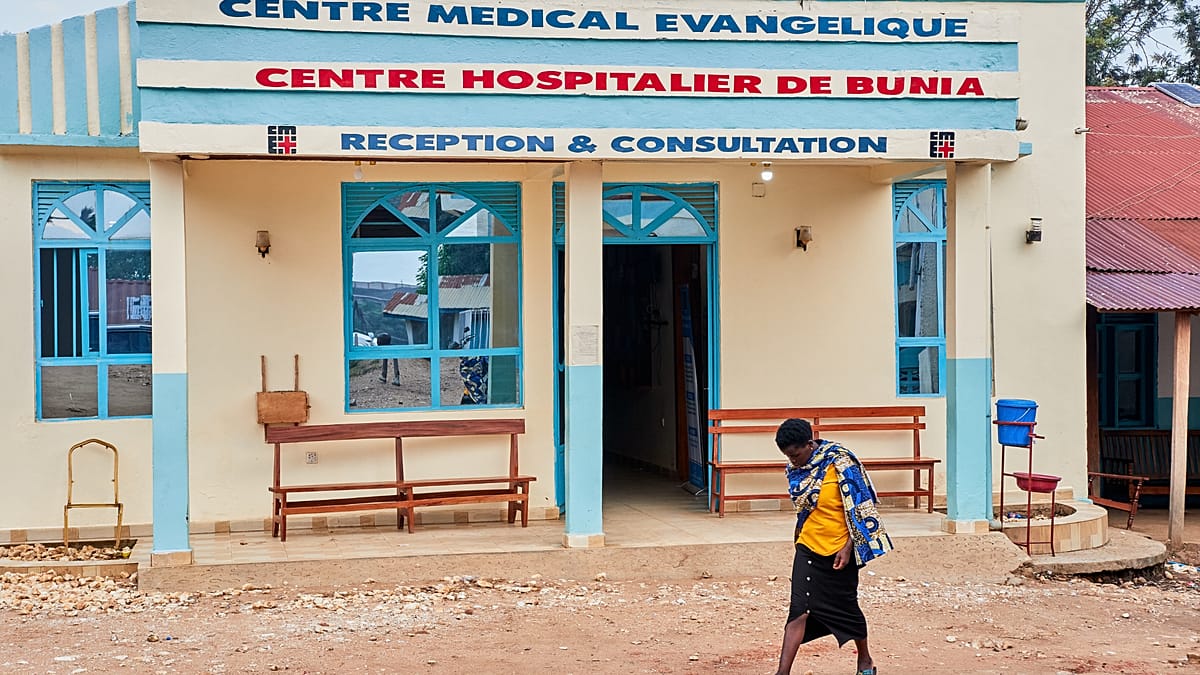
The Bundibugyo epidemic affecting the DR Congo and Uganda is among the largest ever recorded. As of 11 July, Congo’s health ministry had confirmed 1,926 cases and 702 deaths across five provinces. On 12 July, Uganda confirmed 20 cases, including two deaths. Ten provinces, including the capital Kinshasa, are currently considered high-risk, according to Congo's Ministry of Health.
Jean Kaseya, chief of the Africa Centres for Disease Control and Prevention, welcomed the rapid scientific progress. “As affected countries continue to respond to this outbreak, Africa CDC welcomes rapid scientific progress that is conducted with the highest standards of safety, regulatory oversight and partnership,” he said. He added that while early-stage clinical trials are not an immediate solution for communities facing the outbreak today, they are a critical part of building the tools needed for responding to current and future outbreaks.
The development of this vaccine is particularly urgent given the strain's rarity and the limited treatment options available. The Oxford trial represents a significant step forward in pandemic preparedness, a topic that has gained renewed attention following the COVID-19 crisis. Oxford Vaccine Scientist Warns Next Pandemic Is Inevitable, Urges Europe to Invest in similar research.
European health authorities are closely monitoring the situation, as the outbreak's proximity to major transport hubs raises concerns about potential spread. The European Centre for Disease Prevention and Control has previously issued guidance on screening and preparedness for returning travelers from affected regions.
The trial also highlights the role of European research institutions in global health security. The University of Oxford's expertise in vaccine development, combined with funding from CEPI—a global partnership that includes European governments—demonstrates how European investment can drive critical innovations. How AI Is Transforming Humanitarian Aid Across Europe and Beyond is another example of European-led efforts to improve crisis response.
As the outbreak continues, the need for effective vaccines remains urgent. The Oxford trial offers a glimmer of hope, but as Kaseya noted, it is a long-term solution. For now, containment measures and public health interventions remain the primary tools to curb the spread of this deadly virus.