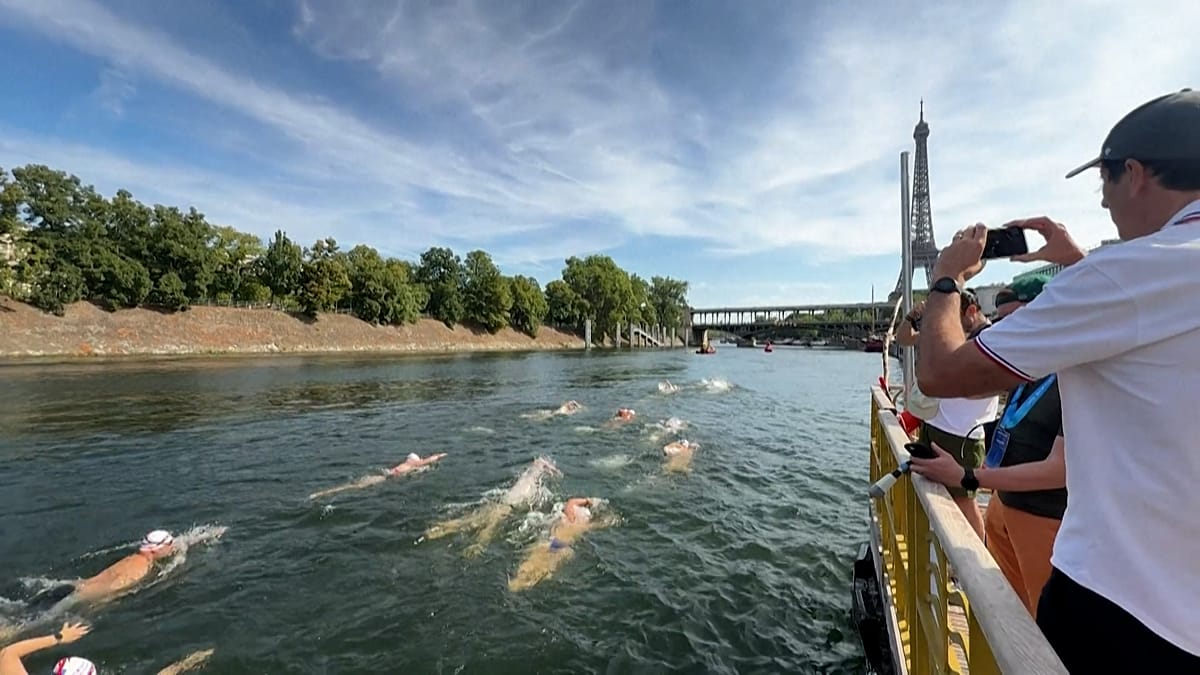
On a warm summer day in Paris, hundreds of swimmers dove into the Seine near the Eiffel Tower for the Open Swim Harmonie Mutuelle, the first major organized race on the river in nearly eight decades. The event, which took place on [date], revived a tradition that had been dormant since the mid-20th century, when pollution and heavy river traffic made swimming in the Seine unthinkable.
A Historic Return to Urban Swimming
The race covered a distance of [distance] kilometers, starting from the Pont d'Iéna and finishing near the Île aux Cygnes. Participants, ranging from amateur enthusiasts to seasoned athletes, braved the currents and the iconic backdrop of central Paris. The event was organized by the French Swimming Federation and the city of Paris, with support from the regional health authority, which certified the water quality as safe for swimming after years of cleanup efforts.
“This is a symbol of the revival of the Seine,” said Pierre Rabadan, Paris's deputy mayor in charge of sports and the Olympic Games. “We have worked hard to make the river swimmable again, and this race shows it is possible.” The city has invested over €1.4 billion in wastewater treatment and stormwater management to reduce pollution, a key part of its legacy plan for the 2024 Summer Olympics, which will feature open-water swimming events in the Seine.
The last major organized swim in the Seine was the 1940s, when the river was still a popular venue for competitions. After World War II, industrialization and urban runoff turned the water into a health hazard, and swimming was banned in 1923 for safety reasons. The ban was lifted only in 2017 for specific events, but this race marks the first large-scale return.
Participants reported mixed experiences. “The water was cooler than I expected, but the current was strong,” said Marie Dupont, a 34-year-old teacher from Lyon who traveled to Paris for the event. “It felt incredible to swim under the bridges and see the city from a different perspective.” Others noted the clarity of the water, a testament to the cleanup efforts, though some expressed concerns about lingering bacteria levels.
The race comes amid a broader push across Europe to reclaim urban waterways for recreation. Cities like Copenhagen, Zurich, and Berlin have long allowed swimming in their rivers and lakes, but Paris has lagged behind due to its dense population and industrial history. The success of this event could encourage other European capitals to follow suit, though challenges remain. Paris Landmarks Close Early as Third Heatwave Hits France highlights the city's vulnerability to extreme weather, which can affect water quality.
Environmental groups have praised the initiative but caution that sustained investment is needed. “The Seine is cleaner than it has been in decades, but we cannot be complacent,” said Juliette Morel of the NGO Seine Clean. “Climate change brings more intense rainfall, which can overwhelm the sewage system and cause contamination.” The city has installed real-time monitoring stations to track bacteria levels, and the race was postponed by a day due to a recent storm that raised concerns.
The event also has political implications. Mayor Anne Hidalgo has made the Seine's revival a centerpiece of her administration, promising that Parisians will be able to swim in the river by 2025. This race is a step toward that goal, but critics argue that the focus on the Seine diverts attention from other environmental issues, such as air pollution and housing. France Activates Unprecedented Heatwave Emergency Plan as Temperatures Soar underscores the broader climate challenges facing the country.
For now, the swimmers who took part in the Open Swim Harmonie Mutuelle have made history. The event is expected to become an annual fixture, with organizers already planning a longer course for next year. As the sun set over the Eiffel Tower, participants emerged from the water with smiles, a testament to the enduring appeal of swimming in the heart of one of Europe's most iconic cities.