For many, the summer of 2016 felt like a rare moment of global togetherness, as strangers took to the streets with their phones in pursuit of virtual creatures. That collective enthusiasm may have faded, but the whimsy of Pokémon endures — now taking the form of an actual Poké Ball-shaped hotel in Japan.
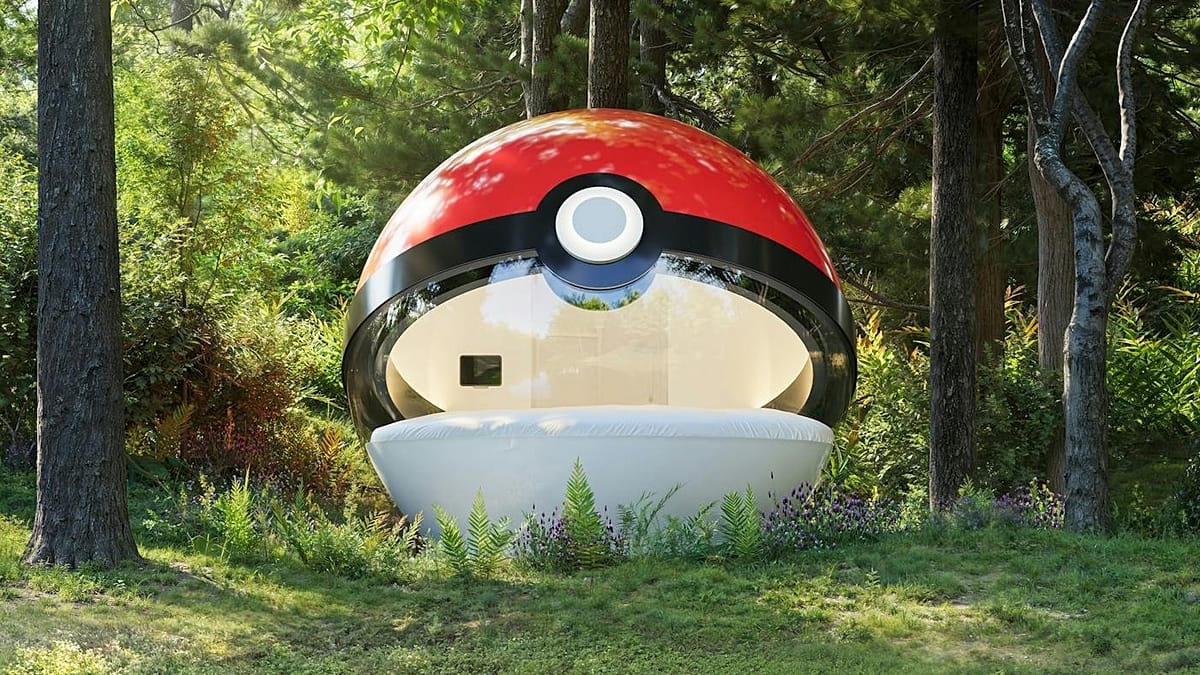
NOT A HOTEL, a Japanese hospitality brand known for unconventional stays, has teamed up with the sleep-tracking app Pokémon Sleep to create a compact hotel pod in Tomakomai City, on the southern coast of Hokkaido. The spherical structure, just three metres in diameter, is designed to immerse guests in the Pokémon universe while offering views of the surrounding lakeside landscape through a curved acrylic window.
The interior is a playful nod to the franchise's iconic aesthetics. A round bed sits beneath the window, and the bathroom area features tiles inspired by Snorlax's colour palette. Guests can also select their favourite Pokémon on an in-room iPad, which then changes the ambient lighting to match the chosen character — a small but charming touch that personalises the experience.
A celebration of three decades of Pokémon
The hotel concept marks the 30th anniversary of Pokémon, which began as a pair of Game Boy games in 1996 and has since grown into one of the most recognisable media franchises in the world. It also coincides with the third anniversary of Pokémon Sleep, the app that gamifies rest and encourages users to maintain healthy sleep habits.
While the idea of staying in a Poké Ball might appeal to fans across Europe and beyond, there's a catch: the experience is currently reserved for Japanese residents. Those who use Pokémon Sleep can enter a competition via X (formerly Twitter) for a chance to book a stay. International visitors, for now, can only admire the concept from afar.
This is not the first time Pokémon has inspired themed hospitality. In recent years, the franchise has spawned pop-up cafés, themed rooms in hotels, and even a dedicated Pokémon Hotel in Tokyo. But the Poké Ball pod stands out for its architectural ambition — a fully immersive, if compact, retreat that blurs the line between accommodation and fan experience.
For European travellers with a soft spot for nostalgia, the pod might evoke a sense of longing. Yet it also raises a question: could a similar concept work in Europe? The continent has seen a rise in quirky and themed accommodations, from award-winning new hotels to design-forward openings in the Dolomites. A Poké Ball perched on a Swiss mountainside or overlooking the Baltic Sea might not be as far-fetched as it sounds.
For now, the Tomakomai pod remains a Japanese exclusive, a testament to the enduring appeal of a franchise that has captured imaginations for three decades. Whether it will inspire similar ventures elsewhere remains to be seen, but it certainly proves that even in an era of global uncertainty, there is still room for a little playful escapism.