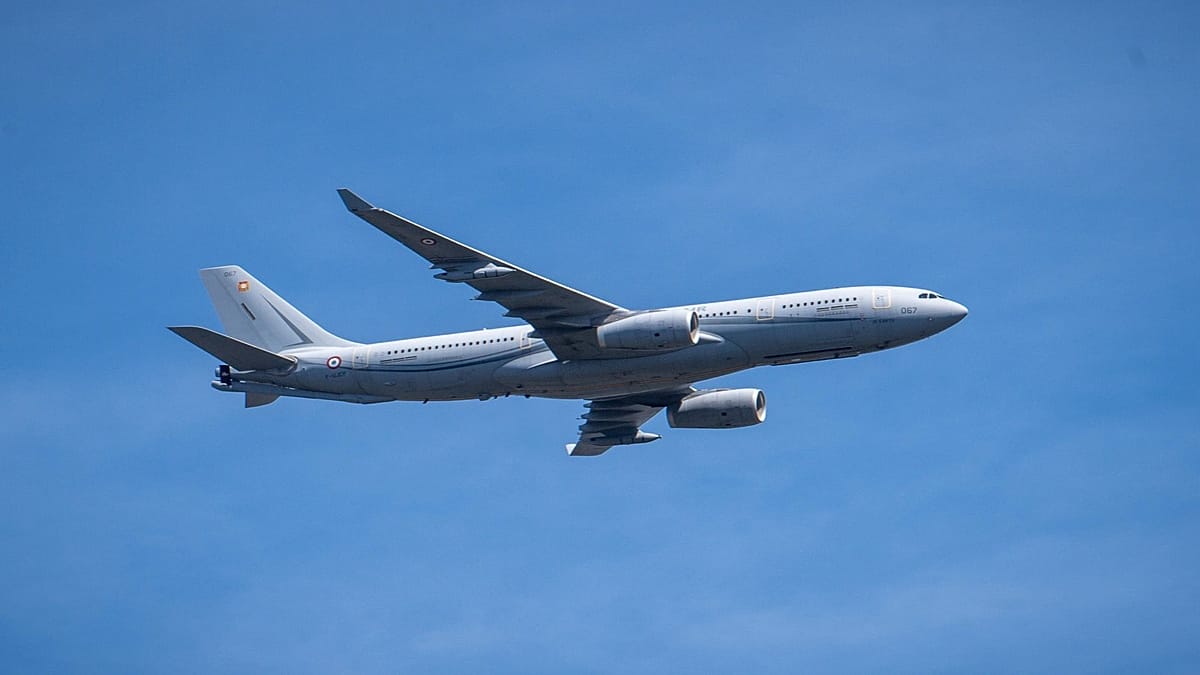
Poland is poised to strengthen its air force with the arrival of four Airbus A330 MRTT multi-role tanker and transport aircraft by 2030, following a joint procurement agreement with Spain. The Spanish cabinet approved the framework agreement on Tuesday, paving the way for the two NATO allies to acquire at least seven of these aircraft in a deal valued at roughly €5.4 billion.
Polish Deputy Prime Minister and Defence Minister Władysław Kosiniak-Kamysz confirmed the development on social media, stating: “Most importantly, by 2030 Poland will receive four aircraft.” He added that the next step is the signing of the final contract.
EU-backed financing and strategic importance
The purchase will be financed through the European Union's Security Action for Europe (SAFE) programme, with Poland's participation covered by an annex to the Spanish framework agreement. This marks a significant use of EU-level defence funding, reflecting the bloc's growing focus on collective security in the wake of Russia's war in Ukraine.
Kosiniak-Kamysz emphasised the transformative nature of the acquisition for Poland's military capabilities. “This is essential equipment for our Air Force, which is in the process of bringing F-35 aircraft into service,” he said. “It is also an important decision for NATO's security and for Poland's security.” The framework agreement will remain in force for seven years once formally concluded.
The A330 MRTT, based on the civilian Airbus A330 airliner, serves primarily as an aerial refuelling tanker, extending the range and endurance of fighter jets. It can also transport troops and cargo over long distances and be configured for medical evacuation missions. Several NATO countries already operate the type, either nationally or through the alliance's multinational tanker fleet.
For Poland, the arrival of these aircraft will fill a critical gap in its ability to project air power, especially as it integrates the F-35 into its fleet. The new tankers will allow Polish fighters to operate further from home bases, enhancing the country's contribution to NATO's eastern flank. This move also aligns with broader European efforts to bolster defence readiness, as seen in reports of electronic warfare in the Baltic region that have disrupted GPS signals.
The joint procurement with Spain underscores a trend of closer defence cooperation among European nations, a theme that resonates beyond the immediate deal. While Spain's involvement is central, the initiative reflects a wider European push to enhance military mobility and interoperability. As Europe faces multiple security challenges, from the war in Ukraine to hybrid threats, such collaborative projects are likely to become more common.
The decision also comes at a time when European defence budgets are under scrutiny, and the use of EU funds for military purposes marks a notable shift. The SAFE programme, designed to support security-related investments, is being leveraged to accelerate the delivery of critical capabilities. For Poland, which has been a vocal advocate for stronger European defence, this deal is a tangible step forward.
With the framework agreement now approved, attention turns to the final contract and the delivery timeline. The first aircraft are expected to arrive in Poland by 2030, providing a significant boost to the country's air force and its ability to operate alongside NATO allies. As the continent grapples with an increasingly volatile security environment, the acquisition of these tankers is a clear signal of Poland's commitment to modernising its military and contributing to collective defence.