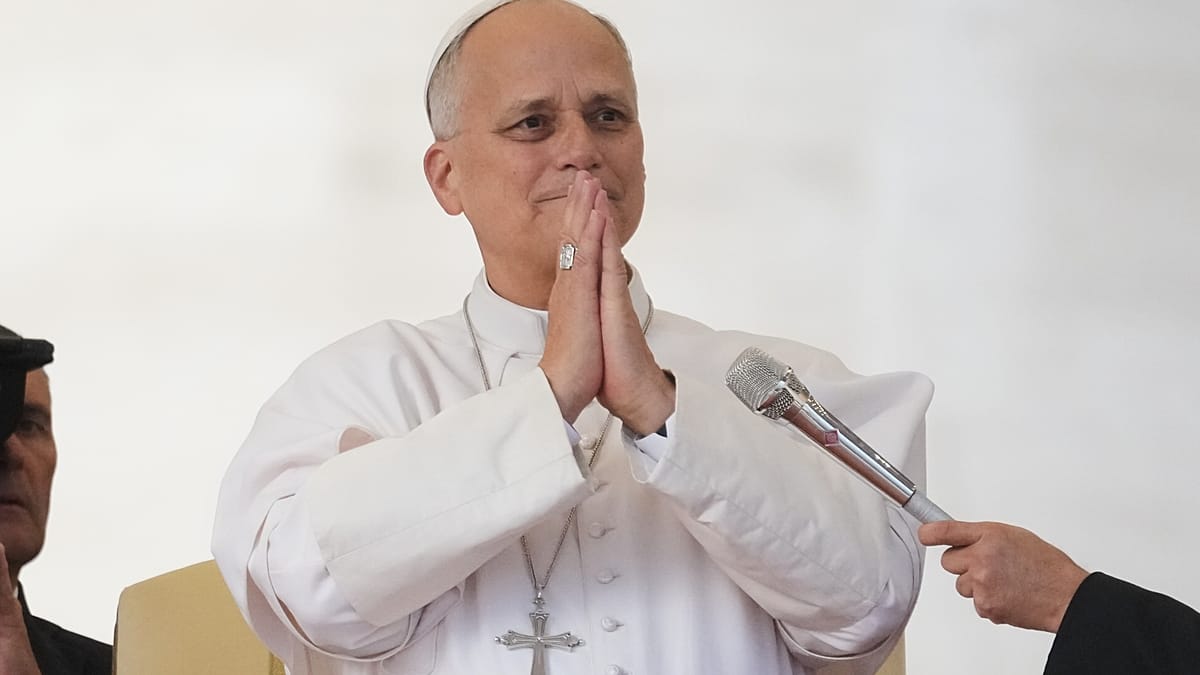
Eight days after undergoing surgery on his right lung, Pope Leo XIV has received a clear medical update: the tumour that was removed was localised, and no further treatment is required. The announcement came from his medical team, Dr Luigi Carbone and Prof Stefano Margaritora, who have been overseeing the pontiff's postoperative care.
The final histological and molecular biology analyses, conducted on the tissue extracted during the hour-and-a-half operation, confirmed the presence of a localised pulmonary adenocarcinoma. Crucially, the examinations showed that the disease had not spread beyond the lung, and a subsequent oncological assessment concluded that additional therapy is unnecessary.
A cautious but positive prognosis
For a patient of the Pope's age, the news is as reassuring as could be hoped. Pulmonary adenocarcinoma is a common form of lung cancer, but its prognosis depends heavily on early detection and containment. In this case, the tumour's localised nature means that the surgical removal is likely to have been curative, with the medical team expressing confidence in the outcome.
The Vatican has been careful to manage the flow of information since the surgery, mindful of the global interest in the health of the 88-year-old pontiff. Earlier this week, the Vatican released first images of the Pope during his recovery, showing him alert and in good spirits. Those images, combined with today's medical statement, will reassure Catholics across Europe and beyond.
Dr Carbone and Prof Margaritora, both respected figures in Italian oncology, have emphasised that the Pope will need a period of rest and rehabilitation. While the immediate threat has been addressed, the recovery from such surgery is gradual, and the pontiff's schedule will be adjusted accordingly in the coming weeks.
The news comes at a time when the Vatican is navigating a series of internal and external challenges, from reform efforts to its role in European diplomacy. The Pope's health is a matter of considerable importance not only for the faithful but also for the continent's political and cultural landscape, given the moral authority he wields on issues ranging from migration to climate change.
European leaders, many of whom have met Pope Leo XIV since his election, have sent messages of support. The Italian government, in particular, has maintained a close watch on the pontiff's condition, given the unique relationship between the Holy See and the Italian Republic.
As the Pope begins his convalescence, the medical team has advised a gradual return to his duties. The Vatican has not yet announced when he will resume public audiences, but the positive prognosis suggests that the disruption to his papacy will be minimal.
For now, the focus remains on the Pope's recovery, and the relief felt across the Church is palpable. The confirmation that no further treatment is needed marks a significant milestone, allowing the pontiff and his advisors to look ahead with cautious optimism.