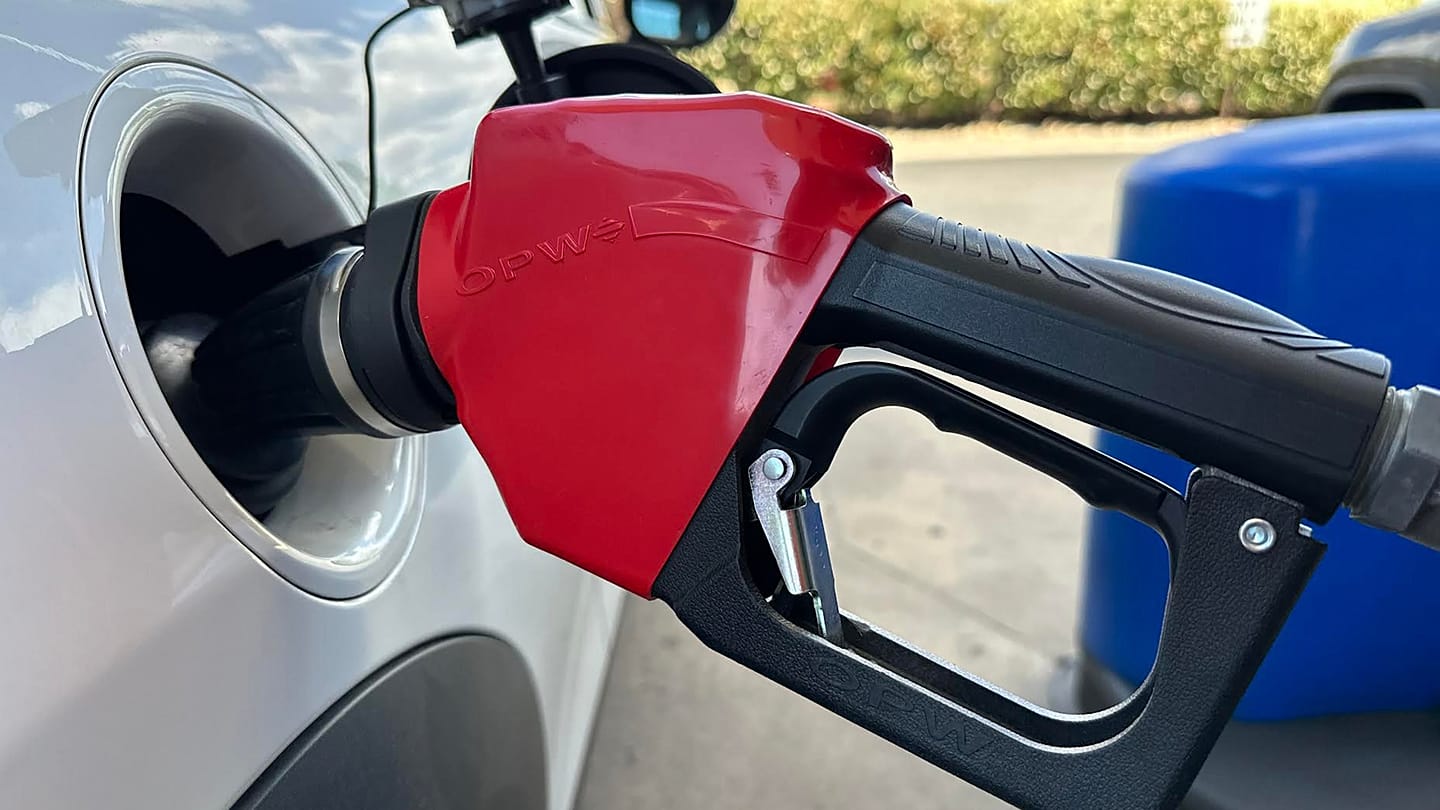
Starting Monday, drivers in Portugal will see a significant drop in fuel prices, with petrol and diesel falling by 12 cents per litre. The announcement came from the National Association of Fuel Resellers (Anarec) on Friday afternoon, offering some relief to consumers who have faced elevated costs at the pump in recent months.
However, the full benefit may not materialise if the Portuguese government opts to reduce the existing fuel tax discount. Such a move would partially offset the price cut, leaving motorists with a smaller net reduction. The government has not yet confirmed its decision, but the possibility has been flagged by industry sources.
Context and European Implications
This price adjustment comes amid broader trends in global energy markets. Recent developments, such as hopes of a US-Iran ceasefire extension, have contributed to lower crude oil prices, which in turn influence retail fuel costs across Europe. Portugal, like many EU member states, relies heavily on imported oil, making it sensitive to international price fluctuations.
The potential reduction in the fuel tax discount also reflects a common tension in European fiscal policy: balancing consumer relief with budgetary constraints. Several EU countries have used tax cuts to cushion the impact of high energy prices, but as inflation moderates, some governments are reconsidering these measures. Portugal's decision will be watched closely by other member states facing similar dilemmas.
For Portuguese households, the 12-cent drop is a welcome change, especially after a period of high inflation that has strained budgets. The reduction could also benefit small businesses and the transport sector, which are particularly exposed to fuel costs. In the Algarve, for instance, where tourism drives the local economy, lower fuel prices might provide a modest boost ahead of the summer season.
This story also ties into broader European energy security discussions. While Portugal is not directly affected by the Hormuz crisis, the continent's vulnerability to global oil supply disruptions remains a concern. Innovative local solutions, such as a German village that cut energy costs to 12 cents, highlight the potential for community-level resilience, but national policies still play a crucial role.
As the government deliberates on the tax discount, consumers and industry stakeholders alike will be watching closely. The final price at the pump will depend on whether Lisbon chooses to pass on the full market reduction or retain some revenue through the tax mechanism.