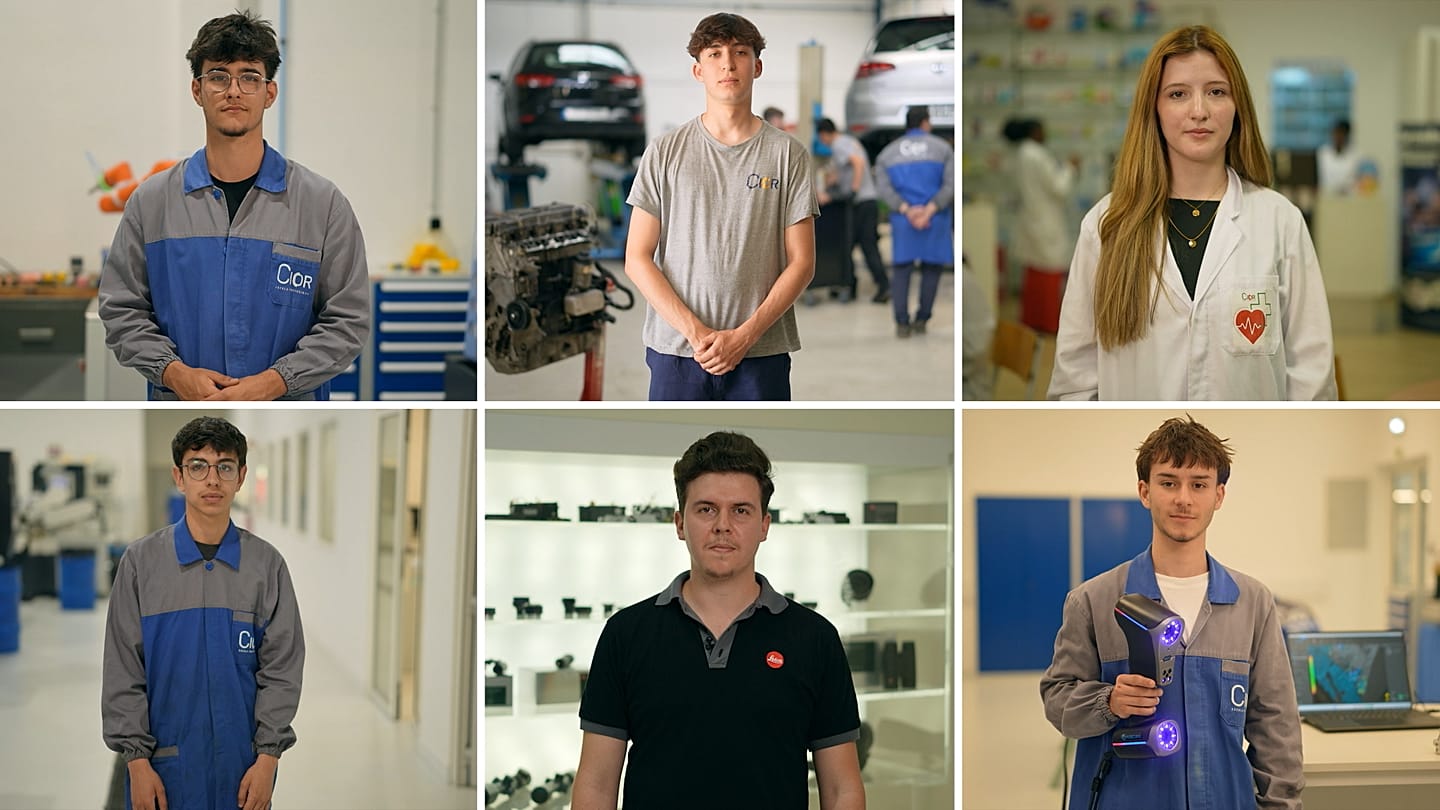
Portugal is accelerating its efforts to bridge a widening skills gap by investing heavily in vocational education and training (VET). With nearly €1.5 billion in funding from the European Union, the country aims to equip a majority of its secondary school students with practical qualifications that match labour market needs. The initiative reflects a broader European push to modernise education systems and reduce youth unemployment, particularly in regions where traditional academic pathways have left graduates without clear career prospects.
The Portuguese government has set a target of preparing 55% of secondary school students for jobs in high-demand sectors such as information technology, renewable energy, healthcare, and advanced manufacturing. This marks a significant shift from the country's historical emphasis on university education, which has often produced graduates with theoretical knowledge but limited hands-on experience. By contrast, vocational programmes are designed in close collaboration with employers, ensuring that curricula are directly relevant to industry requirements.
“It will be easy to employ me,” said one student enrolled in a vocational course in Lisbon, reflecting a growing sentiment among young Portuguese who see VET as a fast track to stable employment. The student, who is training in industrial automation, added that the programme includes paid internships and direct recruitment opportunities with partner companies. Such testimonials are central to the government's campaign to change perceptions of vocational training, which has long been stigmatised as a second-choice option for those who cannot access university.
EU Funding and Structural Reform
The €1.5 billion injection comes primarily from the EU's Recovery and Resilience Facility (RRF), which was established to help member states recover from the economic fallout of the COVID-19 pandemic. Portugal's allocation is part of a broader national reform plan that includes modernising vocational schools, upgrading equipment, and training instructors. The funds are also being used to create new apprenticeship programmes and to expand digital skills training, particularly in regions like the Algarve and the Alentejo, where tourism and agriculture have traditionally dominated the economy.
“We are not just throwing money at the problem,” said a spokesperson for the Portuguese Ministry of Education. “We are restructuring the entire system so that vocational education is as respected and rigorous as academic education. This means better teacher training, stronger links with businesses, and clear pathways to higher education for those who want them.” The reforms also include a new national qualifications framework that aligns Portuguese VET certificates with European standards, making it easier for graduates to work in other EU countries.
The timing is critical. Portugal faces one of the highest youth unemployment rates in the eurozone, hovering around 20% in early 2025, even as many employers report difficulty filling skilled positions. The mismatch is particularly acute in the technology sector, where Lisbon and Porto have become hubs for startups and multinational firms. Companies like Farfetch and Unicorn Factory have repeatedly called for a larger pool of locally trained software developers, data analysts, and cybersecurity specialists.
Broader European Context
Portugal's approach mirrors similar initiatives across the continent. Germany's dual education system, which combines classroom learning with on-the-job training, has long been a model for other EU states. France, under President Emmanuel Macron, has also invested heavily in apprenticeships, while Italy and Spain are reforming their VET systems with EU support. The European Commission has made skills development a cornerstone of its European Year of Skills initiative, urging member states to invest in lifelong learning and digital competencies.
However, challenges remain. Critics argue that vocational programmes must be continuously updated to keep pace with rapidly evolving industries, particularly in artificial intelligence and green technologies. There is also concern that without robust quality assurance, some courses may fail to deliver the promised outcomes. Portugal's government has responded by establishing a national monitoring body to track employment rates and earnings of VET graduates, with results published annually to ensure transparency.
For now, the early signs are encouraging. Enrolment in vocational secondary education has risen by 15% since 2022, and the government expects to reach its 55% target by 2027. If successful, Portugal could serve as a case study for other EU countries grappling with similar skills mismatches. As the student in Lisbon put it: “I don't just want a diploma. I want a job that exists.”