Two of Europe's most storied art institutions, the Prado Museum in Madrid and the Rijksmuseum in Amsterdam, have announced a strategic partnership aimed at correcting a long-standing imbalance in how art history is told. The collaboration will focus on recovering the roles of women—as artists, patrons, and cultural figures—within the shared artistic heritage of Spain and the Netherlands, particularly during the Habsburg period.
The centerpiece of the agreement is an international postdoctoral research fellowship, set to launch in 2027. The fellow will delve into the collections of both museums, examining works and archival materials to uncover the contributions of women who have been marginalized or forgotten. The findings will inform upcoming projects at both institutions and culminate in a major exhibition at the Rijksmuseum in 2029.
A shared history, a joint effort
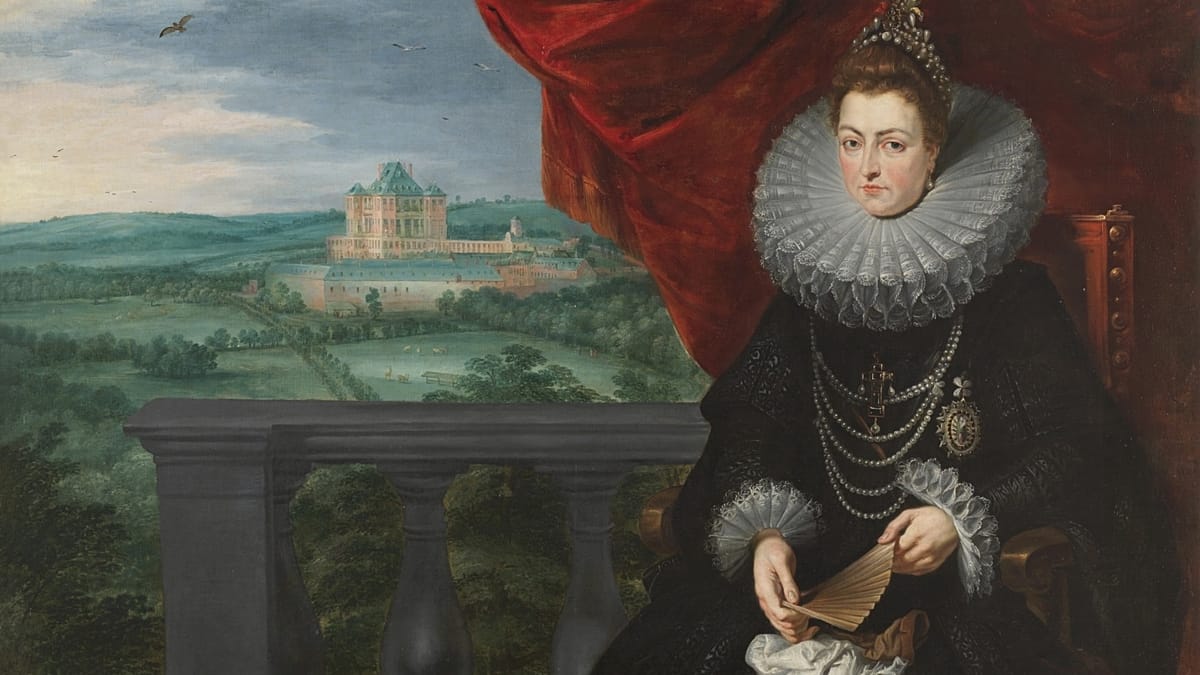
The Habsburg dynasty ruled over vast territories that included both the Iberian Peninsula and the Low Countries, creating a rich cross-pollination of artistic styles and cultural exchange. Yet the stories of the women who shaped this period—whether as painters, patrons, or muses—have often been relegated to footnotes. This alliance seeks to change that by pooling the expertise and collections of two museums that hold some of the most significant works from that era.
The Prado has already been pursuing this goal through its El Prado en Femenino initiative, which has brought renewed attention to artists such as Clara Peeters and Sofonisba Anguissola, two of the most important painters in European art history. This autumn, the museum will open an exhibition dedicated to Mariana of Austria, the 17th-century queen regent who was a major patron of the arts and a key political figure in her own right.
Meanwhile, the Rijksmuseum's Women of the Rijksmuseum project, running since 2021, has analyzed hundreds of works and added to its permanent collection pieces by previously overlooked artists such as Gesina ter Borch, Maria van Oosterwijck, and Marlow Moss. The new partnership will build on these foundations, creating a more comprehensive and nuanced picture of women's contributions to European art.
“This is not just about adding names to labels,” said a spokesperson for the Prado. “It's about re-examining the very framework of art history and acknowledging the agency of women who have been systematically written out of the narrative.”
The fellowship will be open to scholars from across Europe and beyond, with a focus on interdisciplinary approaches that combine art history with social history, gender studies, and archival research. The selected fellow will have access to the full resources of both museums, including their libraries, conservation departments, and digital archives.
The 2029 exhibition at the Rijksmuseum is expected to be a landmark event, bringing together works from both collections to tell a more inclusive story of the Habsburg era. It will likely travel to Madrid afterward, allowing audiences in both countries to engage with the research.
This collaboration is part of a broader trend across European museums to reassess their collections through a more critical lens. Institutions from London to Berlin are grappling with questions of representation, provenance, and the role of museums in shaping collective memory. The Prado-Rijksmuseum alliance stands out for its explicit focus on gender and its cross-national scope, which could serve as a model for future partnerships.
For visitors, the immediate impact will be visible in new acquisitions, reinterpreted galleries, and temporary exhibitions that highlight women's roles. But the long-term goal is more ambitious: to transform the way European art history is taught and understood, ensuring that the women who helped shape it are no longer invisible.