The debate over whether alcohol should be served at airports before morning flights has reignited, pitting Ryanair chief Michael O'Leary against pub chain magnate Sir Tim Martin. O'Leary, who has long criticised the free flow of booze in departure lounges, argues that pre-flight drinking is a primary driver of disruptive behaviour on aircraft.
Speaking to The Times, O'Leary claimed that Ryanair, Europe's busiest airline by passenger numbers, diverts nearly one flight per day due to unruly passengers, most of whom had consumed alcohol before boarding. 'I fail to understand why anybody in airport bars is serving people at five or six o'clock in the morning. Who needs to be drinking beer at that time?' he said.
O'Leary has proposed a two-drink limit, enforced by requiring passengers to show their boarding pass when ordering. Ryanair maintains a zero-tolerance policy for disruptive behaviour and regularly publicises convictions. This week, the airline reported that two passengers who caused a flight from London Stansted to Ibiza to be diverted to Toulouse received suspended sentences of up to ten months and a combined penalty exceeding €10,000.
Industry Pushback and Practical Challenges
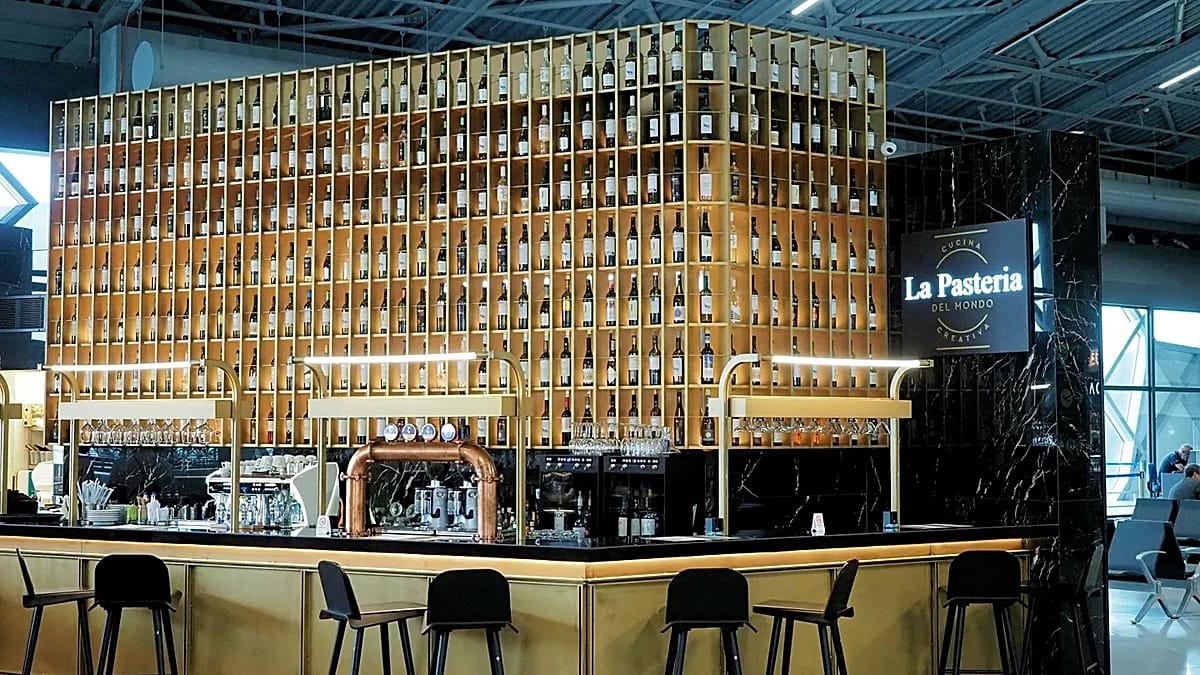
Sir Tim Martin, founder of the British pub chain Wetherspoon, which operates outlets in several UK airports, dismissed the idea as 'extraordinarily difficult to implement, short of breathalysing passengers'. He noted that a 'significant proportion' of alcoholic drinks sold in Wetherspoon's airport pubs are ordered alongside a meal, suggesting that many travellers are not simply binge-drinking.
Martin also warned that restricting airport sales could backfire, encouraging passengers to drink before arriving at the terminal, where there is no oversight. 'Any limit could mean travellers instead drink before even getting to the airport,' he said.
The clash highlights a broader tension between aviation safety and commercial interests. Airports and their tenants rely heavily on revenue from food and beverage sales, and early-morning drinking has become normalised in the liminal space of departure lounges. Yet the consequences can be severe: intoxicated passengers not only disrupt flights but also impose costs on airlines through diversions, delays, and legal proceedings.
Current regulations vary across Europe. Under the UK's Air Navigation Order 2016, 'a person must not enter any aircraft when drunk, or be drunk in any aircraft', though the law does not define drunkenness precisely. Lufthansa's conditions of carriage allow refusal of boarding if a passenger's 'conduct, condition or frame of mind or physical state, for example, including the effects of alcohol or drug use, are such that you are a danger to yourself, to other passengers or to members of the crew'. In 2019, the European Union Aviation Safety Agency launched its #NotOnMyFlight campaign to combat intoxication and aggression on board.
For travellers, the issue raises questions about personal responsibility and the role of airports in curbing excess. As O'Leary's proposal gains attention, it may prompt regulators to consider uniform standards across the continent. For now, the pre-flight pint remains a fixture of European air travel—but its days may be numbered.