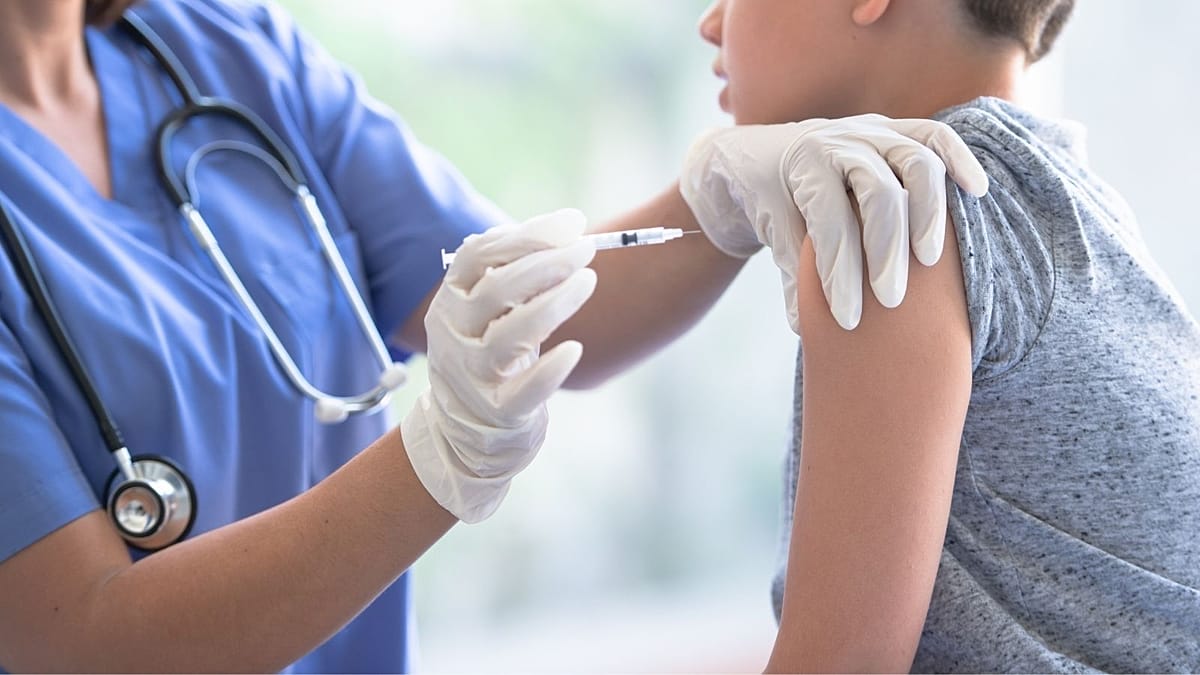
Vaccines are not one-size-fits-all. Immune responses vary widely from person to person, influenced by age, sex, underlying health conditions, and genetics. Now, a new study suggests that clues to how well someone will respond to a vaccine may already be present in their blood before they ever receive the shot.
Researchers from the US National Cancer Institute's SeroNet program, led by Joshua LaBaer, analyzed blood samples from over 4,000 individuals, including healthy volunteers and those with weakened immune systems due to conditions such as HIV, multiple myeloma, or organ transplantation. All participants had received a COVID-19 vaccine. The team tested for antibodies against 185 antigens from common viruses, bacteria, and autoimmune targets, then used artificial intelligence to identify patterns that could distinguish strong responders from poor ones.
“Certain biomarkers, when analyzed with AI, can predict who is likely to respond well to a vaccine, even before they receive it,” said LaBaer. The findings, published in the journal Cell Press Blue, suggest that some people are inherently more “immune-ready” than others.
The study identified what the researchers call “sentinel antibodies”—pre-existing antibodies that act as indicators of a person's likely immune response to a given vaccine. Higher levels of antibodies against common organisms such as Staphylococcus aureus, respiratory syncytial virus (RSV), and human parainfluenza virus 3 (HPIV-3) were associated with stronger COVID-19 vaccine responses. In fact, these universal antimicrobial signatures were positively linked to the top 25% of high responders.
Implications for personalized vaccination
For clinicians, the potential is significant. By profiling a patient's pre-existing antimicrobial antibodies, it may be possible to identify individuals who are likely to mount a weak response before they are vaccinated. This could allow for tailored vaccination strategies—such as booster doses, different vaccine platforms, or additional preventive measures—for those at higher risk.
“Predicting which individuals will mount poor antibody responses before vaccination could improve personalized vaccination strategies,” the researchers wrote. The team used machine learning to build predictive models that classify individuals with suboptimal vaccine responses, a step toward making such predictions practical in clinical settings.
Immunosuppression is known to correlate with weaker antibody responses, which increases the risk of infection, severe disease, and mortality. This new research could help address that vulnerability by enabling proactive, data-driven decisions.
While the study focused on COVID-19 vaccines, the approach could extend to other immunizations, potentially reshaping how vaccination campaigns are designed across Europe and beyond. As health systems in the EU and the wider continent continue to refine their immunization programs, such predictive tools might become part of routine care—especially for vulnerable populations.
The findings also underscore the importance of understanding individual immune variability, a factor that has gained renewed attention amid debates over vaccine mandates and public trust. For instance, recent discussions about vaccine policies and their impact on European disease risks highlight the need for evidence-based approaches that respect individual differences while protecting public health.
As research progresses, the hope is that a simple blood test could one day guide vaccination decisions, ensuring that everyone—regardless of their immune status—receives the best possible protection. For now, the study offers a promising glimpse into a future where vaccines are not just administered, but tailored to each person's biology.