Getting around Europe's cities by public transport is now noticeably pricier than it was three years ago, according to new research from Greenpeace. The environmental group examined long-term ticket options in the capitals of all 27 EU member states, plus the UK, Switzerland, and Norway, and found that fares have climbed in 14 of them since 2023.
The study assessed the availability, affordability, and inclusivity of monthly and annual passes, looking at regional reach, discounts for vulnerable groups, and the value-added tax applied to tickets. Greenpeace is urging national and local governments to introduce affordable “climate tickets” that would not only ease the burden on commuters but also help cut emissions from road and air travel and reduce the EU's reliance on fossil fuels.
London, Amsterdam, and Paris top the price list
Unsurprisingly, some of the continent's most visited and expensive cities also have the highest monthly public transport costs. London tops the ranking at €162 per month, followed by Amsterdam at €107 and Paris at €77. These figures reflect the general cost of living in these metropolises, but the increases are not uniform across Europe.
The sharpest jump since 2023 was recorded in Nicosia, where long-term ticket prices rose by 67%. Amsterdam followed with a 55% increase, Madrid saw a 50% rise, and Bratislava's fares went up by 32%. Berlin and Vienna also saw significant hikes of 29% and 26% respectively, while Copenhagen, Bucharest, Vilnius, Brussels, and London all experienced increases of at least 10%.
One structural factor keeping prices high is the average 11% VAT applied to public transport tickets across the EU. Seven countries have actually raised their VAT on these tickets since 2023, adding to the financial strain on passengers.
Some cities buck the trend
It is not all bad news. Four European capitals have seen long-term pass prices fall since 2023. Dublin leads the way with a 42.5% drop, followed by Oslo (down 11.5%), Bern (down 6.6%), and Budapest (down 5.8%). Prices in 12 other capitals have remained stable over the same period.
Spain and Slovenia have introduced nationwide public transport tickets since 2023, but only eight out of 30 European countries currently offer free public transport or affordable universal long-term tickets. Luxembourg, Malta, and Slovenia score best in this category, while Finland, Greece, and Norway rank worst for affordability and availability, and also apply above-average VAT rates to domestic transport.
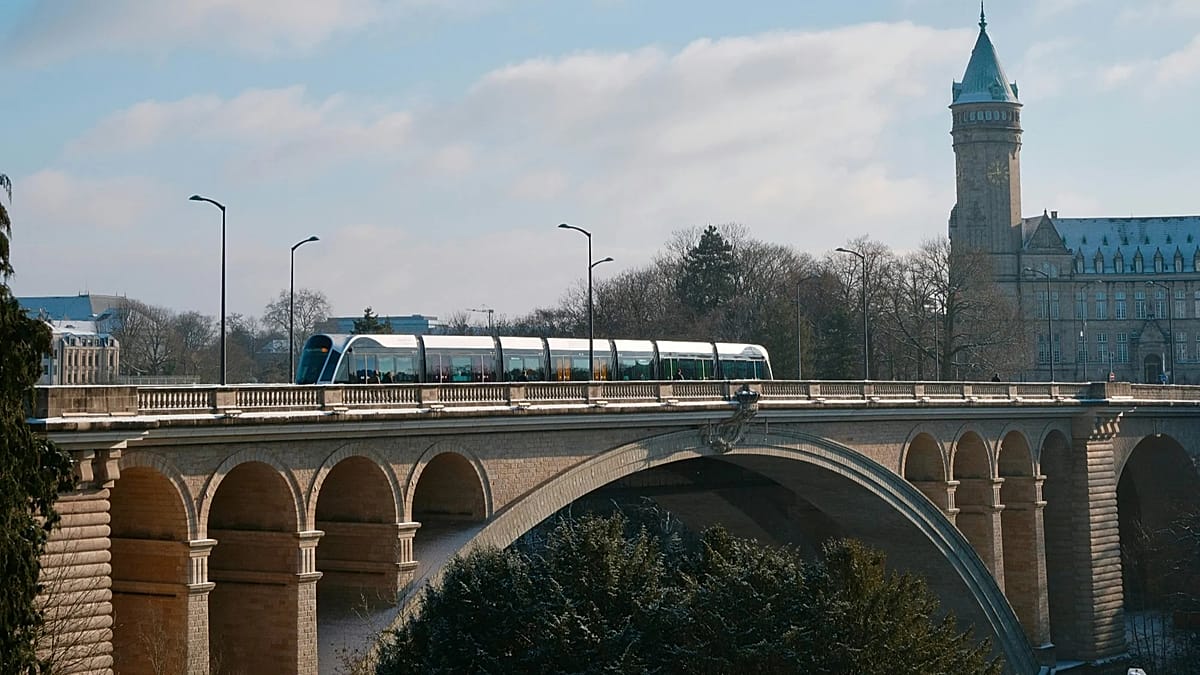
At the positive end of the scale, Tallinn, Luxembourg City, and Valletta share the top spot for the best overall long-term public transport tickets in Europe, based on availability, affordability, and inclusivity.
The findings come as European cities grapple with the dual challenges of rising living costs and the need to encourage sustainable mobility. As governments allocate public spending, transport pricing remains a key lever for both social equity and environmental policy. For travellers planning a city break, these price differences are worth factoring into the budget.