Russian President Vladimir Putin has threatened to seize European ships in retaliation for the interception and sale of cargo from vessels linked to Moscow's so-called shadow fleet. Speaking on Wednesday during naval exercises off Russia's Pacific coast, Putin described the European actions as "piracy and banditry" and vowed to respond in kind.
"We will be forced to respond in kind," Putin said, addressing military officials aboard the cruiser Varyag near Sakhalin Island. He added that Russia would act "wherever we ourselves deem necessary and appropriate — anywhere."
European sanctions target shadow fleet revenue
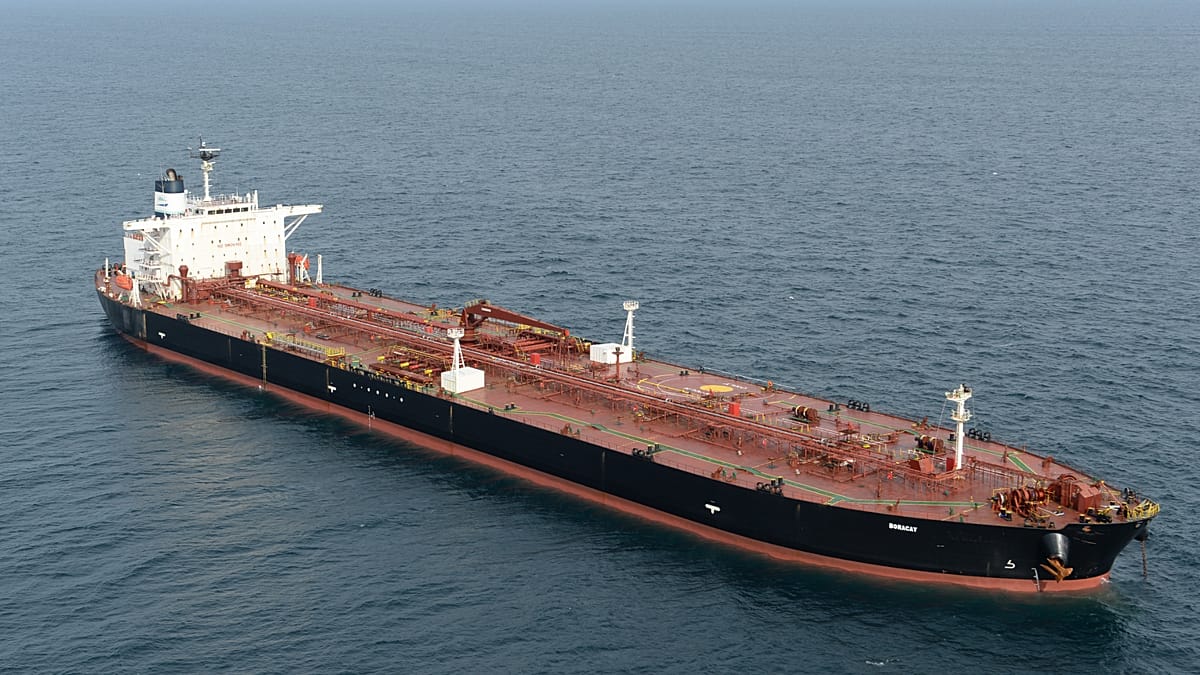
The dispute stems from recent European Union sanctions that allow member states to seize and sell oil or other cargo from vessels suspected of circumventing restrictions on Russian energy exports. Several European companies have already intercepted ships carrying Russian crude, dealing a blow to a key source of Kremlin revenue.
In a notable development, Swedish court documents confirmed that Stockholm will transfer a seized Russian vessel to Ukraine. The ship is suspected of transporting grain from occupied Ukrainian territories, a move that Kyiv has welcomed as part of broader efforts to hold Moscow accountable.
The EU's latest sanctions package, adopted last month, explicitly permits the sale of confiscated cargo, a measure designed to undercut the financial networks that sustain Russia's war effort. European officials argue that the shadow fleet — often aging tankers with opaque ownership — poses both a sanctions-evasion risk and an environmental hazard.
Escalating tensions in the Pacific
Putin's remarks came as Russia's navy conducted drills in the Sea of Okhotsk, a region of growing strategic importance. The exercises are scheduled a week before joint US-South Korean war games, which are designed to simulate a response to a potential North Korean invasion. Tensions have been rising amid accusations from Kyiv and Seoul that Pyongyang and Moscow are deepening military cooperation.
The threat to seize European ships adds a new layer of friction to an already fraught relationship between Russia and the West. European shipping companies and insurers are now assessing the risks of operating in waters where Russian authorities might attempt to detain vessels.
Analysts note that Putin's language echoes previous threats that have sometimes been followed by concrete actions, such as the detention of foreign fishing vessels or the seizure of cargo ships in disputed waters. However, a broad campaign against European commercial shipping would be a significant escalation, potentially drawing NATO into a direct confrontation.
The European Commission has not yet issued a formal response to Putin's threat, but diplomats in Brussels are reportedly monitoring the situation closely. Some member states, particularly those with large merchant fleets like Greece and Cyprus, are urging a measured approach to avoid unnecessary escalation.
Meanwhile, the shadow fleet continues to operate, with many vessels switching off transponders or transferring cargo at sea to evade detection. The EU's new measures are part of a broader strategy to choke off the revenues that fund Russia's military operations, but the Kremlin's latest threat underscores the risks of maritime enforcement.
As the standoff intensifies, the international community is watching to see whether Putin's words translate into action. For now, European shipping companies are advised to review their routes and insurance coverage, while governments weigh the diplomatic and legal implications of any retaliatory seizures.