Doha pushed back on Tuesday against Tehran's decision to summon Qatar's chargé d'affaires, insisting that differences should be resolved through diplomatic channels. The move came after Qatar and Germany issued a joint statement condemning Iranian attacks and threats to shipping in the region.
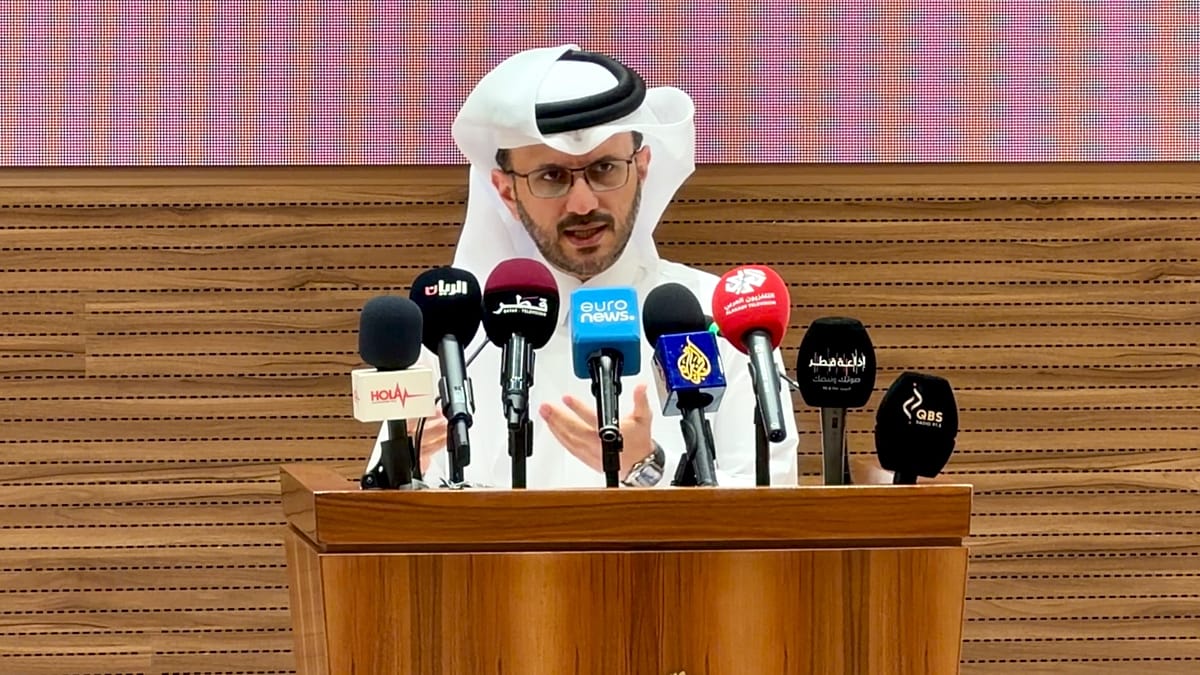
“We will not accept any attacks on our country, whatever form they take,” Majed Al Ansari, spokesperson for Qatar's foreign ministry, told reporters in Doha. “But at the same time, we stress that diplomatic solutions are the only way to end this crisis,” he added, while acknowledging Iran's status as a major regional power and pointing to the long-standing commercial and cultural ties between the two nations.
Iran's foreign ministry announced on Monday that it had summoned Qatar's chargé d'affaires in Tehran to protest the joint statement issued on Saturday during Emir Sheikh Tamim bin Hamad Al Thani's state visit to Germany. The declaration, published by Qatar's foreign ministry, condemned Iranian attacks on Qatar and other regional countries as a “flagrant violation” of sovereignty and international law, and called on Iran to cooperate fully with the UN nuclear watchdog.
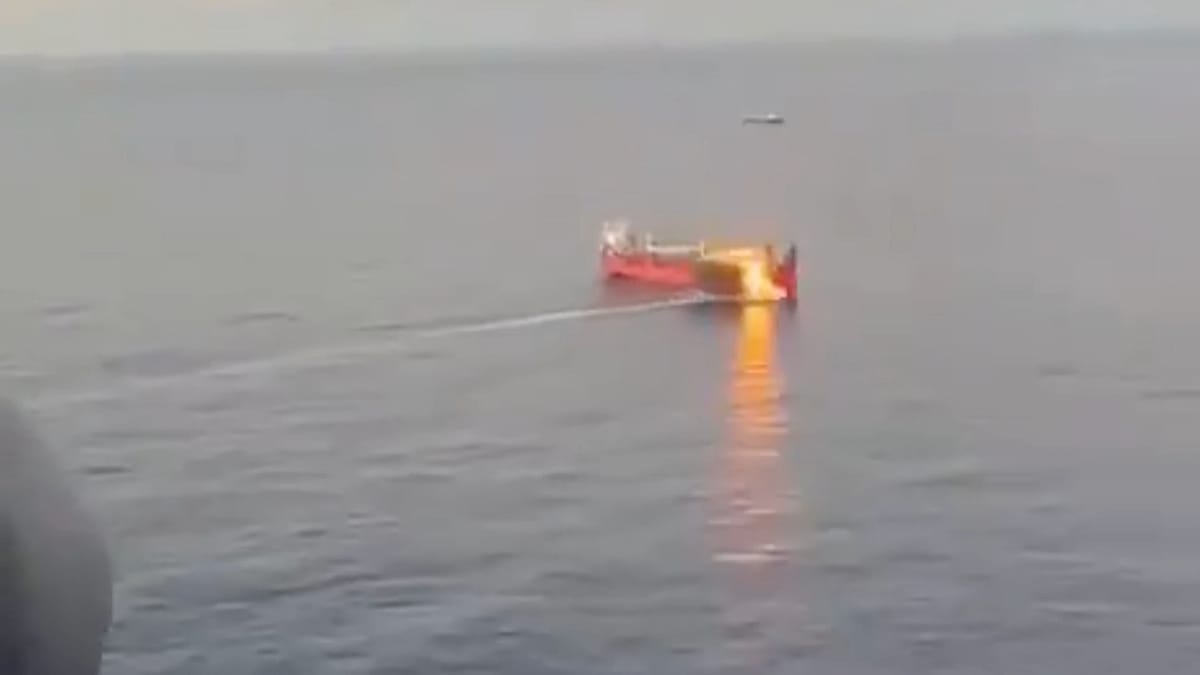
The statement also urged Iran to end its support for armed groups in the region, including Yemen's Houthis, and condemned attacks and threats against commercial ships. It rejected any action that would close the Strait of Hormuz or obstruct navigation, a critical waterway for global oil supplies.
Iran's foreign ministry spokesperson Esmaeil Baghaei called Qatar's position “unexpected” and dismissed the accusations as “completely baseless and unacceptable.” He questioned why Qatar had joined Germany in issuing the declaration, saying the decision required an explanation.
Al Ansari did not directly address why Tehran reacted so strongly, noting that Qatar has maintained a consistent position since the start of the Iran war in February and has been leading intense mediation efforts to bridge the US and Iran toward a diplomatic resolution. He declined to discuss the details of proposals under negotiation but confirmed that both sides remained involved.
“What I can confirm is that both sides are engaging in the mediation as we speak right now,” he said in English. He warned that further military escalation would harm the mediation efforts and affect the chances of reaching an agreement, urging all parties to exercise restraint.
Mediation continues amid tensions
Al Ansari said restoring freedom of navigation through the Strait of Hormuz was necessary to prepare the way for a comprehensive agreement. He also called for a regional security framework that addresses all parties' concerns.
The briefing followed talks in Washington on Monday between Qatar's prime minister, Sheikh Mohammed bin Abdulrahman Al Thani, and US Secretary of State Marco Rubio. The meeting underscored Qatar's role as a key intermediary, even as tensions with Iran simmer.
Qatar's position reflects its delicate balancing act: maintaining close ties with both Washington and Tehran while positioning itself as an indispensable mediator. The joint statement with Germany, a key European partner, may have been intended to strengthen Doha's diplomatic leverage, but it has also exposed the limits of its dual role.
For European observers, the episode highlights the fragile dynamics in the Gulf and the potential consequences for energy security and maritime trade. The Strait of Hormuz remains a chokepoint for global oil shipments, and any disruption would have immediate repercussions for European economies. As Iran tightens its stance on Hormuz, the stakes for Europe are high.
Qatar's insistence on diplomacy, even in the face of Iranian rebuke, suggests that Doha is not willing to abandon its mediation efforts. However, the incident also reveals the challenges of aligning with European partners on sensitive regional issues. Germany, for its part, has been increasingly vocal about security threats from the Gulf, and its joint statement with Qatar signals a growing convergence of interests.
As the situation evolves, the European Union will be watching closely. The bloc has a vested interest in stability in the region, given its reliance on Gulf energy and its broader security concerns. The EU's defence buildup is partly a response to such global threats, and the Gulf crisis could further test European unity.
For now, Qatar remains committed to its role as a mediator, but the path forward is fraught with difficulty. The coming weeks will reveal whether diplomacy can prevail over escalation, and whether Qatar can maintain its credibility with all parties involved.