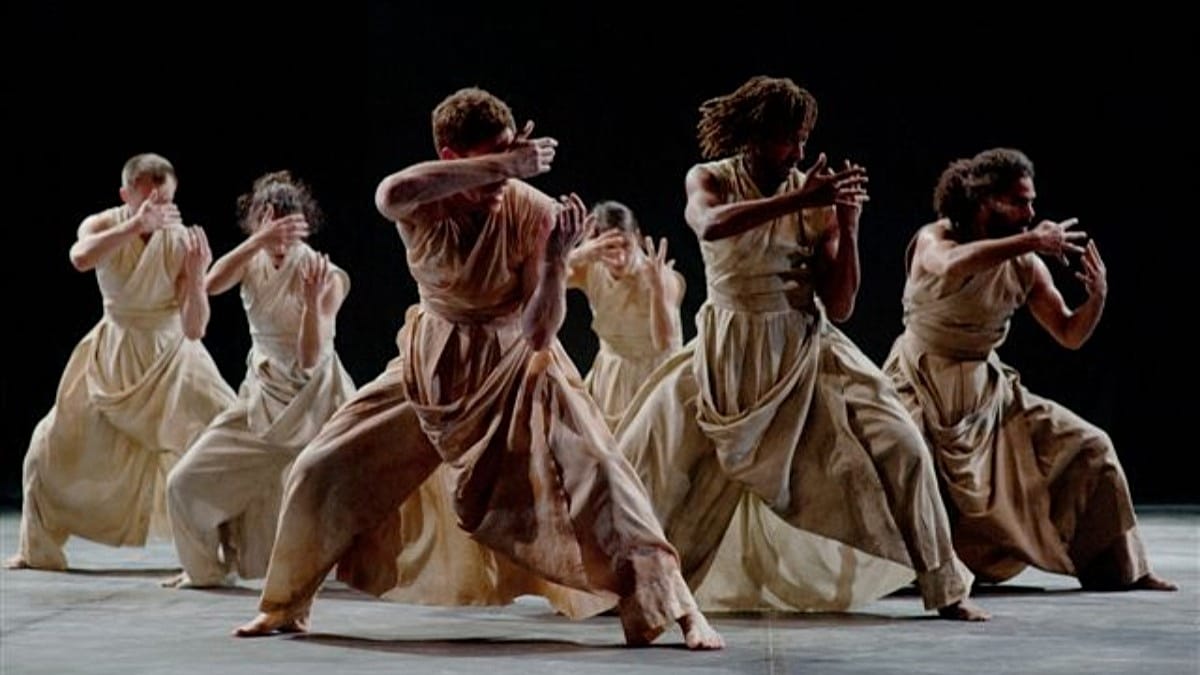
After a two-year pause enforced by the war in Gaza and a near-total shutdown of cultural life in the occupied West Bank, the Ramallah Contemporary Arts Festival has returned. The event, now rebranded as the "Ramallah Festival for Contemporary Arts," opened at the Ramallah Cultural Palace with a defiant slogan: "We carry on."
The festival, which previously focused on contemporary dance, has expanded its programme to include theatre, circus, video art, and installation art. Executive director Khaled Ayyan said the name change reflects a deliberate broadening of scope, while still keeping contemporary dance as a central pillar. "Culture and the arts have historically played an important role in Palestinian society," Ayyan said. "They reflect cultural identity and offer space for expression and creativity."
The hiatus, which began in October 2023, followed the Hamas-led attack on an Israeli music festival that killed nearly 1,200 people and led to hundreds being taken hostage. Israel's subsequent military campaign in Gaza devastated the enclave and brought cultural life across the Palestinian territories to a standstill. Many organisers suspended activities in solidarity with those facing displacement and constant danger from Israeli air strikes.
Dance and Debut Performances
The festival opened with the musical play Al-Sirah Al-Hilaliyyah, based on the famous Arab epic recounting the story of the Bani Hilal tribe. It was performed by the Palestinian troupe Khashaba Theatre, based in Haifa, marking the work's first staging inside the Palestinian territories after a tour of several European countries.
Oud player and composer Habib Shahadeh described the shutdown as harsh, leaving a deep mark on the Palestinian cultural scene and on cultural identity. "Cultural and artistic projects seek to strengthen and develop identity and a sense of belonging at a time when they face major challenges that hinder cultural exchange and production," he said.
Ola Hanna, a secondary-school Arabic teacher from the Arab town of al-Rama in the Upper Galilee, travelled with her family to see the opening performance. She called it a qualitative leap thanks to its blend of music, acting, and language. "Without music and joy, there is no life for me," Hanna said. She expressed hope that Palestinian cultural life would regain the vibrancy it had before the war.
Art Under Attack
Art critic Yusef al-Shayeb said that hosting a festival of this scale after a two-year break, and expanding its programme to include all forms of contemporary performing arts, is an achievement given the situation in the Palestinian territories. The West Bank faces daily challenges, including settler attacks, tighter restrictions on roads and checkpoints, and ongoing Israeli military operations. "The decision to continue organising cultural events in such circumstances shows how determined those working in the cultural sector are to keep artistic activity going and maintain its presence," al-Shayeb said.
The festival runs until 16 July 2026 and also hosts the Palestine Arts Forum, which brings together 22 artists, cultural programmers, and arts organisations from 15 countries. For a continent like Europe, where cultural festivals often thrive in stable conditions, the Ramallah festival's resilience offers a stark contrast. Similar events, such as the Annual Festival on Mount Olympus Revives Ancient Greek Polytheism, highlight how cultural expression can endure even under challenging circumstances.
The festival's return underscores the role of art as a form of resistance and identity preservation. As European audiences increasingly engage with global cultural narratives, the Ramallah Contemporary Arts Festival serves as a reminder of the power of creativity in the face of adversity.