For years, the conversation about European rail travel has revolved around the familiar hubs: Paris, London, and the grand Italian cities. But new data from Rail Europe suggests that the next wave of train journeys may start in less obvious places—from the mosaic-lined streets of Ravenna to the Alpine foothills of South Tyrol.
The company's "Track Record" report, which analysed booking and search activity between 1 October 2025 and 31 October 2026, highlights a shift in traveller curiosity. While the classic capitals remain "firmly established favourites," the report notes that the "next interesting client itinerary may begin somewhere less obvious."
Ravenna: a city of mosaics with a long booking lead
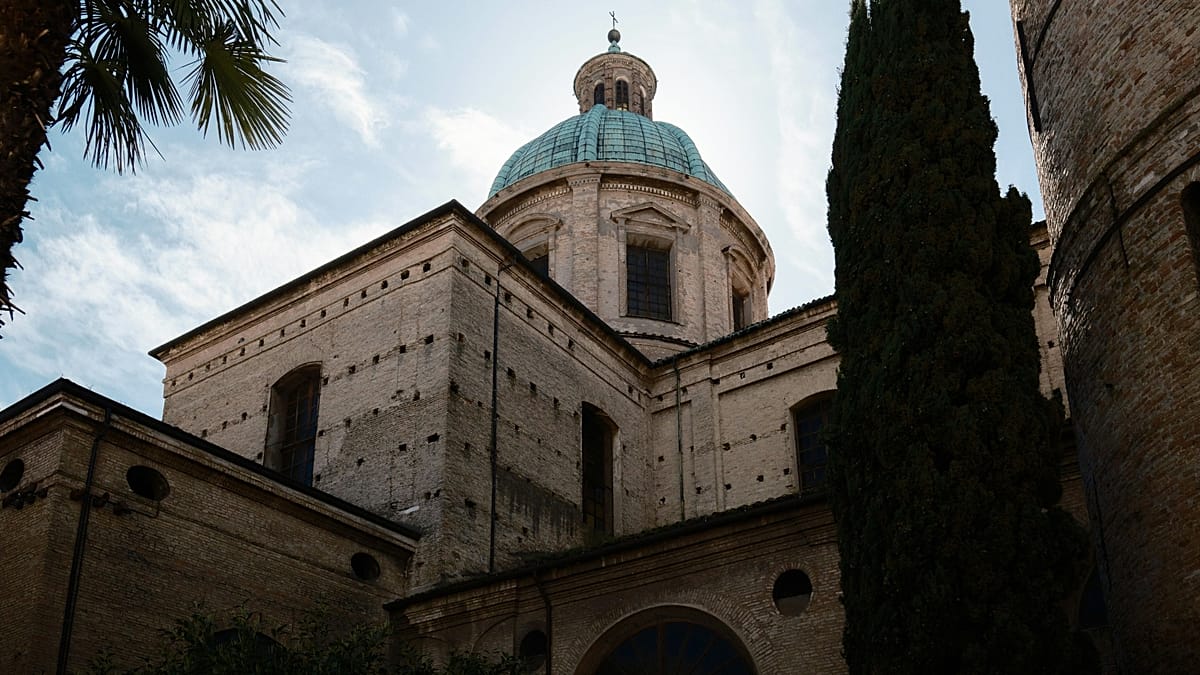
Ravenna, on Italy's Adriatic coast, stands out in two ways. It was among the fastest-rising searches by travel agents and tour operators, and passengers who booked directly through Rail Europe reserved their journeys an average of 57 days before departure—the longest lead time recorded in the consumer analysis. That suggests travellers are planning ahead for this UNESCO-listed city, known for its stunning Byzantine mosaics.
The two findings reflect separate groups: one tracks where professionals searched, the other measures how far ahead consumers booked. But both point to Ravenna's growing appeal as a deliberate, considered destination.
Bolzano and the Alpine corridor
Bolzano, the capital of South Tyrol, also gained ground in professional searches following the 2026 Winter Olympic Games. The city, which sits at the crossroads of Italian and Austrian culture, is a natural gateway to the Dolomites. Nearby Bergamo, in Lombardy, also drew growing interest from consumers.
Across the border, the French cities of Chambéry and Grenoble were among the fastest-rising destinations for consumers. Both are gateways to the French Alps, and travellers planning a rail trip that takes in both France and northern Italy can again use the Paris-Milan line, which reopened in 2025. That route, which had been closed for years due to a landslide, is now a practical link between the two regions.
For those looking to combine rail travel with winter sports, the Alps remain a prime draw, though the report suggests that the appeal is spreading beyond the well-known resorts.
Theme parks and city breaks
There is also a "different kind of destination emerging in the data," Rail Europe said. Two train stations serving major European theme parks saw a rise in search interest among both consumers and travel professionals: Ringsheim, the railway gateway to Germany's Europa-Park, and Marne-la-Vallée, which serves Disneyland Paris.
"Here, the railway station is closely tied to the experience the traveller wants to book," Rail Europe said. "For travel professionals, knowing which stations are attracting interest can be as useful as knowing which cities are popular."
The trend reflects a broader pattern in European travel: families and leisure travellers are increasingly looking for seamless rail connections to specific attractions, not just city centres. As Europe's 2027 travel wish list suggests, rail journeys are becoming a core part of the holiday experience, not just a means of getting there.
For those planning festive trips, the report also notes that Christmas markets remain a strong draw in many of these emerging destinations. Ravenna, Bolzano and Linz all host seasonal markets that pair well with a rail itinerary. The December 2026 rail trips are likely to see even more interest as travellers seek out these less crowded alternatives.
As the data shows, the future of European rail travel is not just about the big capitals. It is about the secondary cities, the Alpine gateways, and even the theme-park stations that are now appearing on travellers' radar. For agents and tour operators, the message is clear: the next big itinerary may start in a place you have not yet considered.