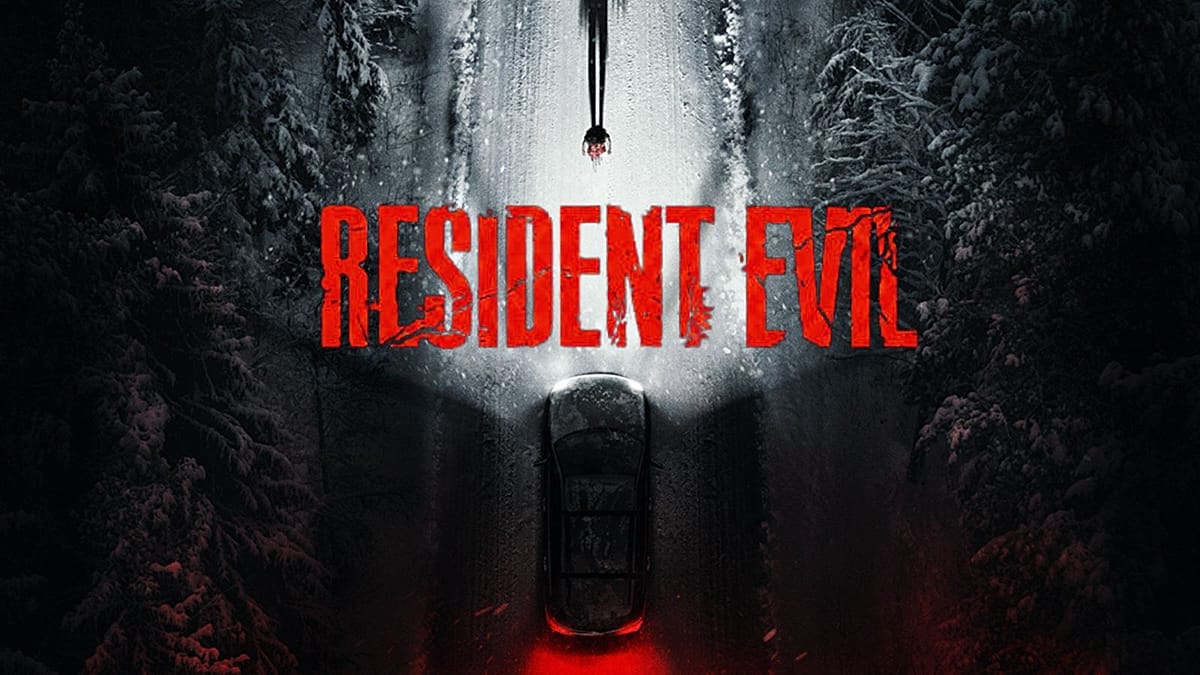
For decades, video game adaptations have been the cinematic equivalent of a poisoned chalice. With rare exceptions like The Last of Us and Fallout on television, the journey from console to screen has usually ended in creative and commercial disappointment. No franchise has suffered more than Capcom's Resident Evil, which has endured six live-action films, a poorly received 2021 reboot, and a Netflix series cancelled so quickly that a real pandemic might have been preferable to a second season.
So when it was announced that Zach Cregger, the indie horror darling behind Barbarian and the Oscar-winning Weapons, would helm yet another reboot, skepticism was the only rational response. Many feared he was selling out, trading his original voice for a PlayStation paycheck. But Cregger has proven the doubters wrong. After 24 years, fans finally have a Resident Evil film they can champion without irony.
Back to basics in Raccoon City
The 2026 film discards the convoluted lore of the games and the Milla Jovovich era entirely. Instead, it introduces Bryan (Austin Abrams), a hapless medical courier who learns his girlfriend is pregnant just as he accepts a double-pay job: transporting a high-priority package to Raccoon City General Hospital. He thinks it's a vital organ. It's not.
On the road, he hits a woman with his car. She's alive but in shock. She's not what she seems. What follows is the longest night of Bryan's life, filled with dead phone batteries, guns he can't reload, and an absurd number of padlocks. Oh, and a virus that rewrites DNA, turning the infected into flesh-craving zombies, multi-limbed monstrosities, and tentacled mutants.
Cregger gets so much right here that it borders on heroic, especially given the franchise's history. He balances gore, nail-biting dread, and well-timed jump scares with a surprising amount of humor. That comedic element is crucial, as Cregger and co-writer Shay Hatten inject relatability into a mix that includes body horror worthy of Brian Yuzna and creatures that look like they escaped from John Carpenter's The Thing.
Austin Abrams, who played the homeless drug addict in Weapons, is the film's secret weapon. His Bryan is a squealing, bumbling everyman with none of the heroic qualities you'd expect from a leading man. He's just an average guy on an A-to-B mission, trying to survive. Abrams understands the assignment and nails it.
A second half that stumbles, but never falls
The first half of Resident Evil is undeniably its strongest. Once Bryan runs into an Umbrella Corporation scientist and a security agent (played by Paul Walter Hauser and Kali Reis), the white-knuckle ride becomes a bit more repetitive. It's during this second half that you're reminded you're in a Resident Evil adaptation; the obligatory inclusion of the nefarious biotech company and a few POV shots to please gamers feel slightly jarring within the everyman survival story.
Still, it's never less than deliriously entertaining, right up until an ending that feels like an afterthought. The abruptness is almost hilarious, and in keeping with the film's increasingly loopy tone. But it undercuts Bryan's character arc, reducing it to a punchline that leaves a sour taste.
For most of its runtime, though, Cregger pulls off not just the best Resident Evil film, but the first great movie game adaptation. Both are low bars, but the plaudits are deserved. This is a smartly handled reboot that proves even a doomed IP can be revived with the right talent behind and in front of the camera.
For more on this week's cultural highlights, including Europe's cultural picks, check out our roundup.