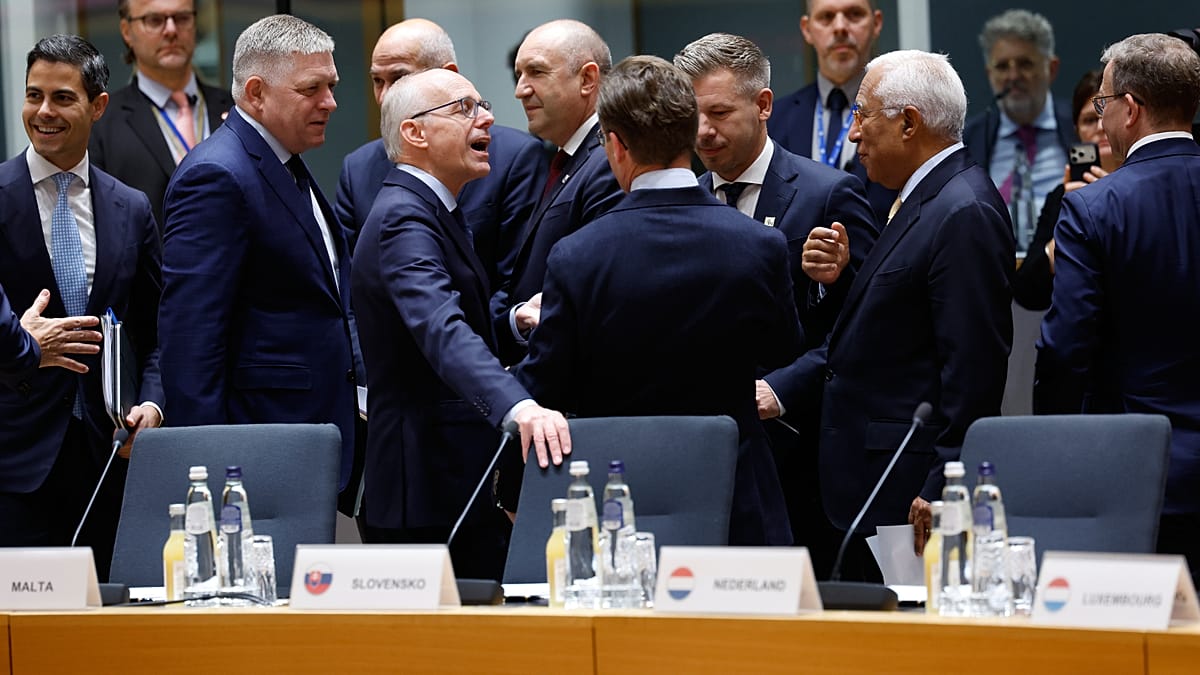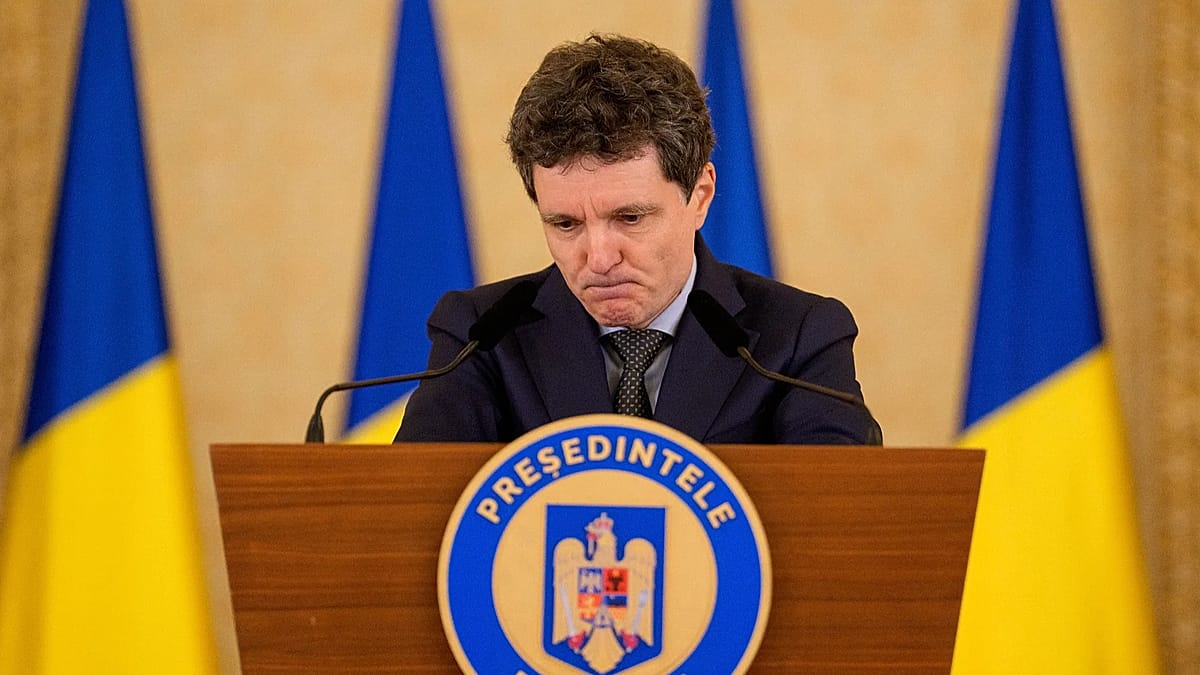
Romanian President Nicușor Dan has called for a more robust NATO presence in the Black Sea, arguing that the region will remain vulnerable until Russia's war in Ukraine concludes. Speaking on the sidelines of an EU summit in Brussels, Dan told Euronews that recent drone attacks on commercial vessels off the coasts of Romania and Bulgaria underscore the urgent need for enhanced allied oversight.
“I’m very optimistic that we’ll have the support and the capabilities in order to be better protected, because it’s an important economic question for Ukraine and for the whole region,” Dan said. His remarks came after three consecutive days of drone strikes on ships in the Black Sea, which have disrupted grain exports and raised fears for maritime safety.
Growing pressure on NATO's eastern flank
Dan acknowledged that Romania was caught off guard when drone incursions into its airspace began roughly eighteen months ago. “We were not prepared,” he admitted, adding that the country now faces a similar lack of readiness in its maritime domain. “At the Black Sea, we are in the same situation. We have to protect the water under our territory.”
The Romanian leader expressed confidence in continued support from US President Donald Trump, despite recent bellicose statements from Washington about troop reductions and a review of force posture in Europe. “On defence, I think it’s a mutual benefit between us because we have an excellent position to project force towards other parts of the world,” Dan said.
His optimism is tempered by the reality that Russia has repeatedly targeted Ukrainian ports along the Black Sea and the Danube River, forcing Kyiv to rely on alternative routes to sell grain to African and Middle Eastern markets. This has exposed European shipping lanes to attacks, with at least one vessel sinking last week and two seafarers losing their lives.
Neither Bucharest nor Sofia has formally blamed Moscow for the incidents, but Bulgarian Prime Minister Rumen Radev noted that “logic” points to the Kremlin. “The problem is that we cannot prove it,” he told reporters, as investigations continue.
During the Brussels summit, Dan and Radev pushed security threats higher up the agenda. France pledged to provide “necessary equipment” and to better understand Romania's specific requirements in the Black Sea. Bulgaria requested combat aircraft and anti-drone systems in talks with NATO Secretary-General Mark Rutte.
Rutte said NATO would continue to strengthen its posture along the eastern flank, including expanding counter-drone capabilities. “NATO will continue to work closely with our allies in the Black Sea, adjusting our deterrence and defence posture as needed,” he wrote on X.
Ukrainian President Volodymyr Zelenskyy, who met European leaders on Thursday, warned that Russia is testing Europe's response. “You do not need a ground war for an invasion to occur,” he said, pointing to drone incursions in Romania, Poland, and Germany, as well as an explosive-laden drone found at Leipzig airport. “Violating another country's airspace is already an incursion.”
Dan remains hopeful that allied support will materialise. “There are always new challenges, but fortunately, Romania has allies,” he said. The situation has also drawn attention to the broader vulnerability of the region, as seen in Romania's investigation into a suspected drone strike on a tanker in its waters.
As the war grinds on, the Black Sea remains a flashpoint, with NATO's ability to adapt and respond under scrutiny. The alliance's commitment to the eastern flank will be tested not only by drones but also by the political will of its members.