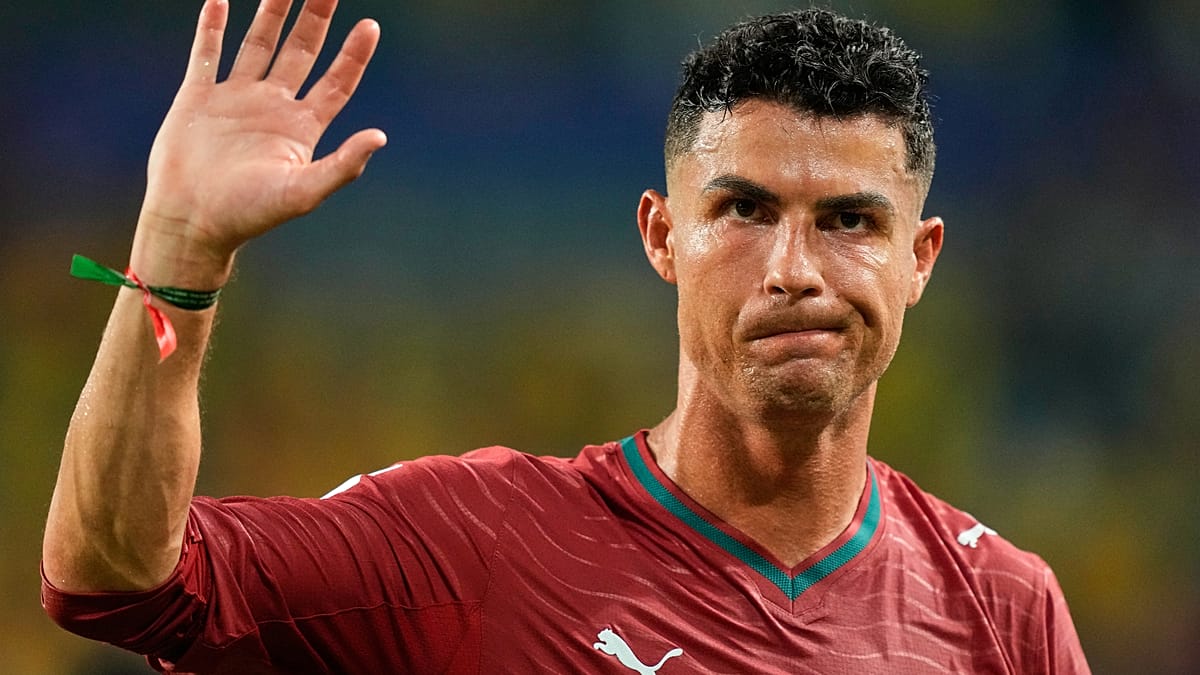
The Portuguese Football Federation (FPF) has opened disciplinary proceedings against national team captain Cristiano Ronaldo, who walked out of the squad's training camp in Copenhagen before a Nations League match against Denmark. The federation's Disciplinary Board (CD) announced on 9 October that Ronaldo has been provisionally suspended while the case, classified as urgent, is examined.
The dispute stems from Ronaldo's frustration with head coach Jorge Jesus, who left him on the bench for the previous match against Norway. According to Ronaldo, Jesus had promised him 30 minutes of playing time, a commitment that was not honoured. Feeling betrayed, the 41-year-old forward left the camp on 30 September and posted a statement on Instagram, vowing to reveal "the truth to all Portuguese people" about his departure.
In his social media letter, Ronaldo apologised to his teammates, the coaching staff, and the Portuguese public, while also accepting responsibility for his actions. "I have already apologised, but I know that actions must have consequences," he wrote. "Anyone in the world of football, just like me, knows that, regardless of one's status, the rules are the same for everyone."
The disciplinary process was triggered by two complaints: one from the FPF's own board and another from external parties, according to sports outlet MaisFutebol. The CD's statement confirmed that proceedings were opened on 9 October, with a non-automatic preventive suspension imposed on Ronaldo. The suspension, based on Article 40-A of the federation's disciplinary regulations, lasts 20 days and ends on 30 October, which could allow him to rejoin the squad for November internationals.
Potential penalties and team success
Under the FPF's disciplinary code, a player who unjustifiably leaves or fails to attend a national team activity can face a suspension of one to six months, plus a fine. Ronaldo informed the federation of his departure, but whether that counts as justified remains unclear. The CD said the investigation will remain confidential until a conclusion is reached.
Despite the turmoil, Portugal's performances on the pitch have been impressive. Under Jorge Jesus, the team won all four matches in the recent international window, secured qualification for the next phase of the Nations League, and climbed to fifth in the FIFA world rankings, pushing Brazil down to sixth. Players largely avoided commenting on the Ronaldo affair, focusing instead on their results.
The situation echoes previous tensions in Ronaldo's international career, but this is the first time the federation has taken formal disciplinary action against him. The case has drawn attention across Europe, given Ronaldo's status as one of the continent's most iconic footballers. As the investigation proceeds, the football world watches to see whether the captain's relationship with the national team can be repaired.
For now, Ronaldo's immediate future with Portugal remains uncertain, but the suspension's end date suggests he could be available for the November fixtures. The federation has not commented on whether further sanctions might follow. Meanwhile, the team's momentum under Jesus offers a silver lining for Portuguese fans, who may see a renewed squad dynamic when Ronaldo returns.
This episode also highlights broader questions about discipline and star power in modern football, a theme that resonates beyond Portugal's borders. As the CD deliberates, the outcome will likely set a precedent for how federations handle similar disputes involving high-profile players.



