Diplomats in Geneva were locked in last-minute negotiations on Friday as Russia continued to obstruct efforts to begin formal talks on regulating lethal autonomous weapons (LAWS). The five-day review conference of the UN Convention on Conventional Weapons (CCW) was due to close in the evening, but by mid-afternoon states had still not overcome the impasse.
The talks, which bring together 128 signatory states, were meant to decide whether to open negotiations on a new legally binding protocol. Any decision requires full consensus, giving a single holdout the power to block progress. Russia, along with the United States, has shown little appetite for binding commitments that could constrain military innovation.
Autonomous weapons systems, once activated, can select and attack targets without human intervention. The Stop Killer Robots coalition, representing more than 300 organisations, says such systems have already been tested or used in conflict, including in Ukraine. Critics argue they raise the risk of indiscriminate strikes, blur accountability, and may violate international humanitarian law.
Divisions remain deep
Throughout the week, states were split on the scope, timeline, and legal form of any future agreement. Most European countries, along with the International Committee of the Red Cross and numerous NGOs, favour a swift negotiation process—ideally completed within a year. Washington, however, has proposed a five-year timeline, while France has suggested a hybrid approach combining binding and non-binding measures.
“On the final day of talks, a minority of states continue to block progress,” said Anna Hehir, head of military AI governance at the Future of Life Institute. Her assessment reflects the frustration of many delegations that have spent months preparing for these discussions.
Russia’s tactics have been particularly obstructive. On Monday, it triggered a procedural standoff by objecting to the participation of observers, including the European Union and civil society groups, forcing the conference into an informal format. On Thursday, Moscow repeatedly demanded changes to the draft final report, even on passages unrelated to the core issues.
Despite the setbacks, one diplomat told AFP, speaking anonymously, that the week had brought the camps closer together. “We're very close to consensus on the need to negotiate something. There is only one delegation that is actively opposing a process that is focused on negotiations.”
An 'Oppenheimer moment'
Magnus Lovold, of the Lex International philanthropic fund, warned that the world is approaching an “Oppenheimer moment,” a reference to the physicist who helped usher in the nuclear age. “We're really at the brink now where it may be very much more difficult in the future to actually get these rules that we need,” he said on the sidelines of the talks.
UN Secretary-General António Guterres addressed the conference on Monday, urging delegates to “take action to prevent the use and spread of these merciless weapons.” He added: “We must never stop shielding civilians from the carnage and devastation of armed conflict.”
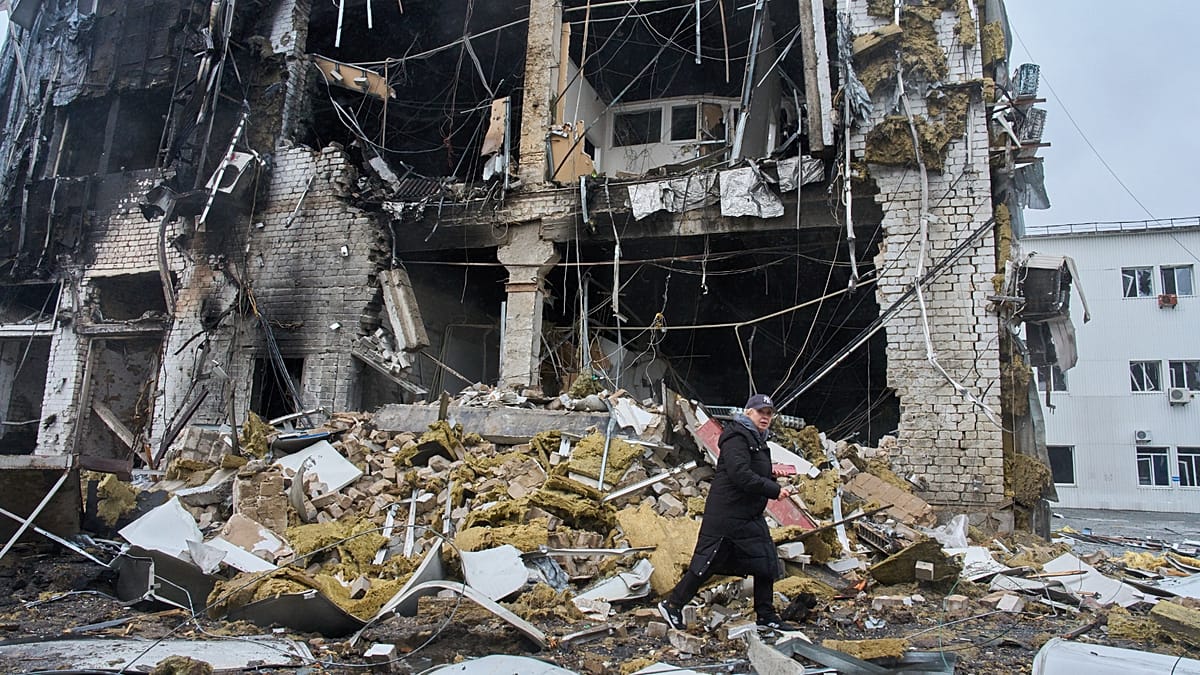
The failure to reach consensus in Geneva leaves the future of LAWS regulation uncertain. As European nations push for a robust international framework, the risk of an arms race in autonomous warfare grows. The stakes are particularly high for Ukraine, where AI-assisted targeting is already being tested on the battlefield. Russian strikes on Kyiv have repeatedly demonstrated the human cost of modern warfare, and the prospect of machines deciding who lives and who dies adds a chilling new dimension.
Campaigners argue that the window for action is closing. Without a binding treaty, they fear that autonomous weapons will become the norm, with devastating consequences for civilians caught in conflict zones. The coming months will be critical in determining whether the international community can overcome its divisions and agree on rules that protect humanity from the perils of unchecked military AI.