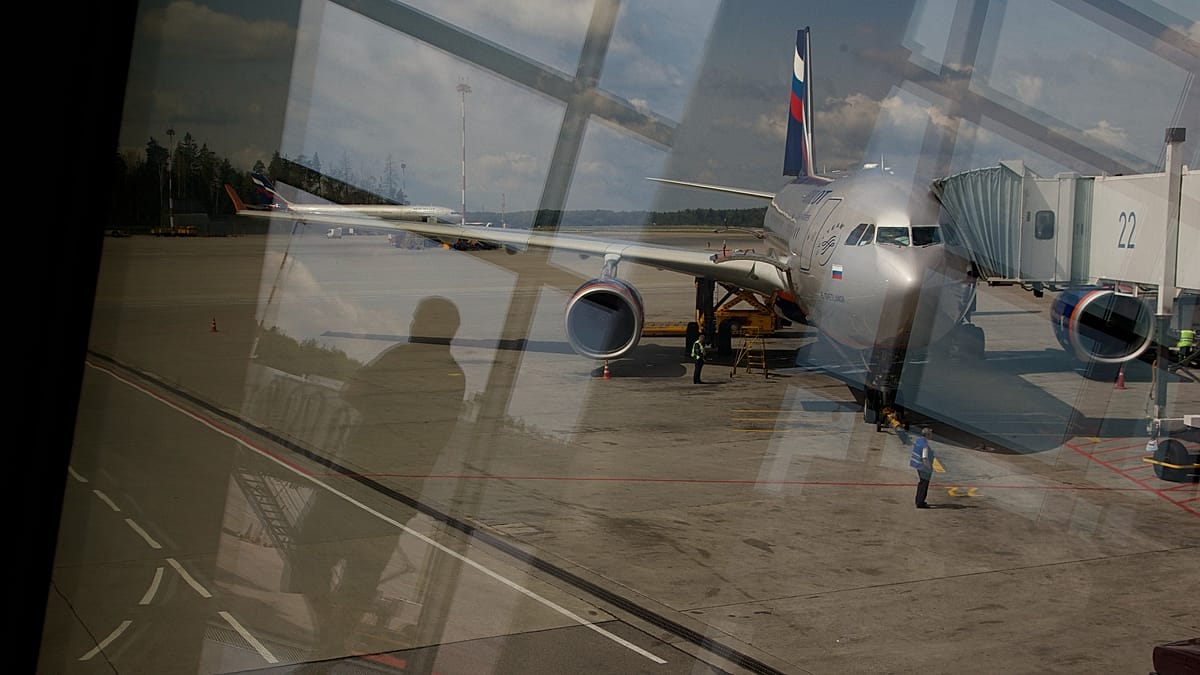
Russia has approached Vietnam with a proposal to lease passenger jets complete with crews and maintenance, as the fleet it seized from Western lessors in 2022 continues to deteriorate. Nearly a fifth of the aircraft operated by Russia's largest airlines are currently grounded, according to industry data.
Transport Minister Andrei Nikitin said Moscow had proposed that Vietnamese carriers transfer aircraft to Russian airlines under a wet lease — an arrangement covering jets, crew, maintenance and insurance — and that Hanoi was studying the offer. Vietnam's main carrier operates exclusively Airbus and Boeing aircraft, meaning any transfer would involve Western-built planes. That creates the same secondary sanctions risk that led Ethiopia to decline a similar proposal, as companies could face US penalties for facilitating the operation of sanctioned aircraft types on behalf of a Russian carrier.
Moscow's approaches to other countries in Asia, Africa and the Middle East have so far produced nothing. The request to Vietnam underscores how far Russia's seized and cannibalised fleet — built on legally contested re-registrations and parts that do not meet international airworthiness standards — has fallen.
Cobbling things together
When sanctions were imposed after Russia's full-scale invasion of Ukraine in February 2022, Moscow passed a law allowing airlines to re-register more than 400 foreign-leased Western aircraft domestically rather than return them to their owners. Under international aviation law, dual registration of a single aircraft is prohibited, meaning Russia's re-registrations are illegal, but the International Civil Aviation Organisation (ICAO) has no enforcement mechanism to compel their return.
Lessors have filed insurance claims totalling around $8 billion (€7.1bn) to recover their losses, with many cases still ongoing. Before the full-scale invasion, roughly 850 of Russia's 900 commercial aircraft were US and European-made Boeing or Airbus planes, of which around 85% were leased from foreign companies.
With Western spare parts and technical services now sanctioned, airlines have been cannibalising the seized fleet for components, making legal matters worse. Under international airworthiness standards, every component must have a certified and traceable maintenance history. Parts stripped from aircraft cut off from Western-certified maintenance chains cannot legally be used on internationally operated aircraft. Russia's aviation regulator Rosaviatsia has been issuing its own certificates for such parts, which are not recognised by the EU or US aviation authorities.
Of 673 aircraft operated by Russia's 11 largest airlines, 130 — nearly one-fifth — are not in service, according to Russian industry data. The normal downtime rate is around 10%. Airlines outside the Aeroflot group are in worse shape: 93 of their 322 planes, close to a third, are idle.
Fuel shortages add to woes
Fuel supply is a separate problem. Restrictions on refuelling have been introduced at at least 26 major airports, according to the outlet Verstka. At airports in St Petersburg, Kaliningrad, Yekaterinburg, Kazan, Ufa, Irkutsk and Vladivostok, fuel is rationed to the volume needed for a single flight. Restrictions are most severe in southern Russia: Sochi, Volgograd and Astrakhan have applied limits to all carriers. Ukrainian drone strikes on Russian oil refineries have reduced fuel production, and the government has restricted aviation fuel exports in response.
The transport ministry, industry ministry and state defence conglomerate Rostec are also discussing a new passenger levy to fund the purchase and operation of domestically produced aircraft, according to Russian media. The charge is estimated at up to 500 roubles (€5.22) per domestic ticket and up to 1,000 roubles (€10.44) for international flights. Russia's domestically produced MC-21 and Tu-214 jets are significantly more expensive to operate than the Boeing and Airbus aircraft they are meant to replace, requiring state or passenger subsidies to remain viable for airlines.
The Kremlin's aviation predicament is part of a broader pattern of isolation. As the EU weighs tighter curbs on Russian diplomats and disinformation campaigns target Baltic voters, Moscow's ability to maintain normal international connectivity continues to shrink. The request to Vietnam, if accepted, would mark a rare breach of the sanctions regime, but the risks for Hanoi are substantial. For now, the proposal remains under study, and Russia's fleet continues to rust on the tarmac.