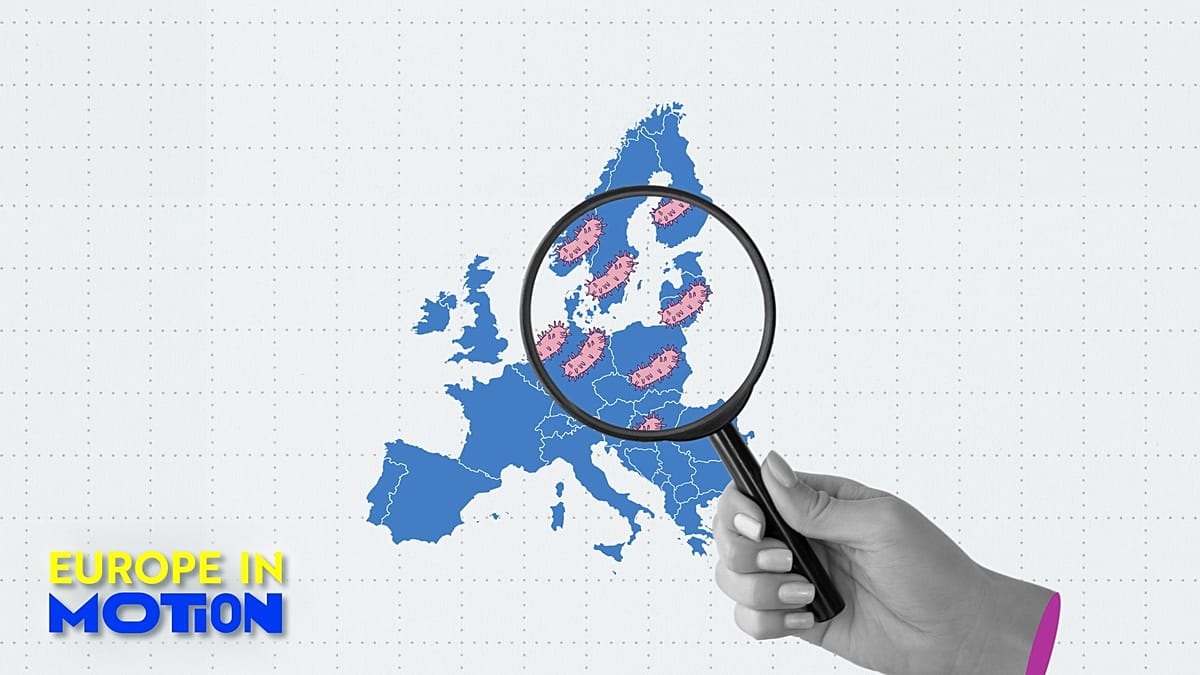
From contaminated eggs to tainted pumpkin seeds, Salmonella is making a worrying comeback across Europe. The European Centre for Disease Prevention and Control (ECDC) reports a steady increase in cases since 2020, with the continent now facing an annual economic burden of up to €3 billion.
In August, Belgium experienced its largest recorded Salmonella outbreak when over 300 people fell ill after consuming eggs. This incident underscores the persistent threat posed by the bacteria, which remains the second most common foodborne illness worldwide.
Recent outbreak data
Between May 2025 and August 2026, the ECDC confirmed 341 cases of Salmonella across the continent, with nearly half reported since May 2026. The United Kingdom reported the highest number (207), followed by the Netherlands (106), Belgium (15), Germany (6), France (4), Austria (2), and Denmark (1). However, the UK has since revised its tally upward to 474, reflecting ongoing investigations.
British health authorities suspect that many infections occurred in restaurants and other food service settings rather than from home-cooked eggs. Meanwhile, the Belgian cases recorded by the ECDC do not include the country's recent record-breaking outbreak, which suggests the true scale may be larger.
Looking at EU-wide data for 2024, Germany (12,316 cases), France (12,308), and Spain (11,248) were the most affected, while smaller nations like Cyprus (80), Estonia (103), and Malta (164) reported far fewer infections.
How Salmonella spreads and its impact
Salmonella is a group of bacteria that causes salmonellosis, a form of food poisoning. While over 2,500 varieties exist, only about 100 are known to cause illness in humans, according to the US Centers for Disease Control and Prevention (CDC). Infection typically occurs through consuming raw or undercooked meat, poultry, eggs, or unpasteurised milk.
Warmer weather and improper refrigeration create ideal conditions for bacterial growth, making summer the peak season for outbreaks. Most healthy individuals recover within a week, but young children, the elderly, and immunocompromised people face severe risks.
The European Food Safety Authority (EFSA) reports over 91,000 salmonellosis cases annually in the EU, and the economic toll extends beyond public health to significant losses in the food industry. Recent recalls, such as France's recall of pumpkin seeds after 81 infections, highlight the ongoing vigilance required.
As European health agencies coordinate responses, the focus remains on improving food safety practices and rapid detection to curb the spread of this resilient pathogen.