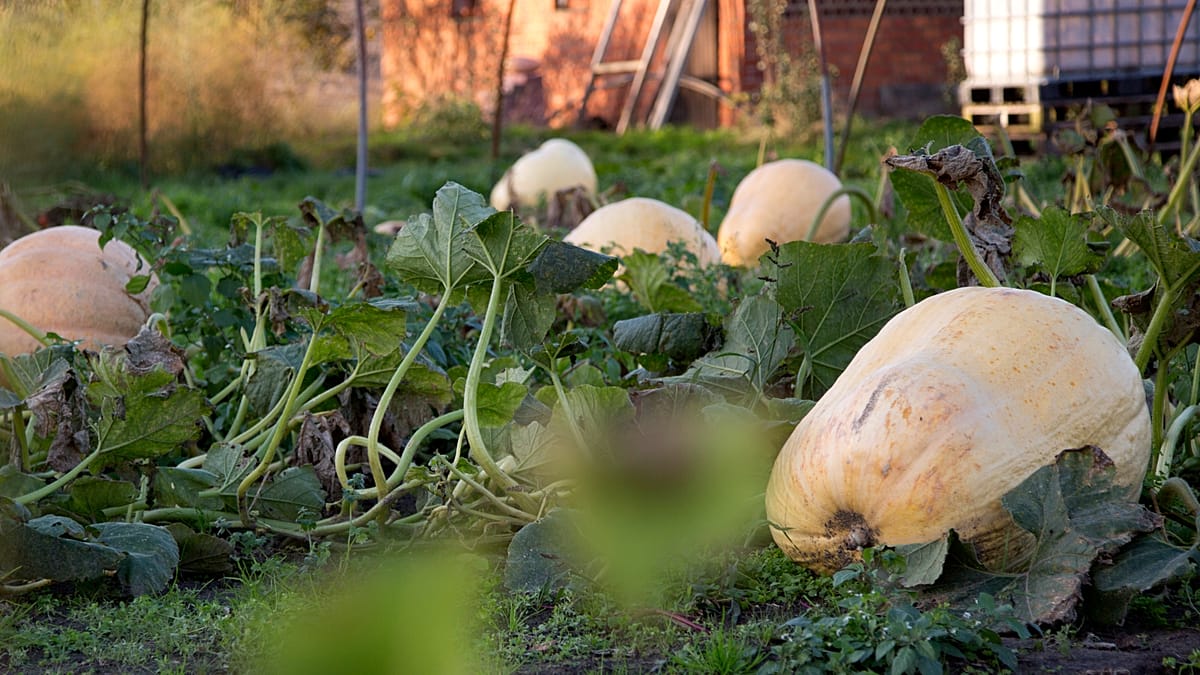
French health and agriculture authorities announced on Friday that 81 people contracted salmonellosis between May and August after consuming pumpkin seeds. The outbreak, caused by a single strain of Salmonella Enteritidis, has prompted a nationwide recall of the implicated products.
The seeds were processed by a company based in Lot-et-Garonne, in the Nouvelle-Aquitaine region, and distributed primarily through the Grand Frais supermarket chain. Several other retailers also received supplies from the same processor, according to the ministries.
Among the patients interviewed, six were admitted to hospital and two required emergency care. The authorities noted that all patients have since recovered and returned home. The products have been withdrawn from shelves, and an investigation is underway to identify the exact source of contamination. An inspection at the processing facility has so far failed to pinpoint the origin.
Salmonella beyond animal products
While salmonella is commonly associated with raw meat, eggs, and dairy, this outbreak underscores that plant-based foods can also carry the bacteria. Fruits, vegetables, and seeds can become contaminated through contact with animal waste, contaminated water, or poor hygiene during processing.
Salmonellosis typically causes diarrhoea, fever, and abdominal cramps. Vulnerable groups—including young children, pregnant women, the elderly, and immunocompromised individuals—may experience more severe symptoms. The French health agency Santé publique France advises that if no symptoms appear within seven days of consumption, medical attention is not necessary.
Each year, France records approximately 198,000 cases of salmonellosis, with an estimated 183,000 linked to foodborne transmission. This outbreak adds to the country's ongoing food safety challenges, which have also included recent heatwave-related concerns affecting agricultural practices.
Broader European context
France is not alone in facing salmonella outbreaks. In neighbouring Belgium, a separate outbreak linked to eggs from a poultry farm has affected at least 312 people as of 2 September, according to the Sciensano public health institute. Up to two million potentially contaminated eggs were distributed in Belgium and Luxembourg, prompting recalls in both countries. The true number of cases may be higher, as many individuals with mild or no symptoms are not tested.
This incident highlights the importance of rigorous food safety protocols across the European Union's single market, where products often cross borders. The European Commission and national authorities coordinate on alerts through the Rapid Alert System for Food and Feed (RASFF), which facilitates swift recalls and information sharing.
For consumers, the recall serves as a reminder to check product labels and follow any withdrawal notices. The French authorities have urged anyone who purchased the affected pumpkin seeds to return them to the point of sale or discard them.
As investigations continue, the focus remains on preventing further cases and strengthening traceability in the food supply chain. The European Union has been working on modernising its food safety legislation, and this outbreak may prompt renewed calls for stricter controls on plant-based products.