Samsung Electronics, the South Korean semiconductor and consumer electronics giant, reported on Tuesday an expected operating profit of approximately 89.4 trillion won (€51bn) for the April-to-June quarter — a roughly nineteen-fold increase from the same period last year and more than its combined profit over the previous three years. Despite this historic performance, investors wiped more than $100bn (€87.5bn) from the company's market value, sending shares down nearly 7% after an intraday drop of over 10%.
The extraordinary figures are driven by the same force reshaping the global memory industry: the race to build artificial intelligence data centres. Demand for high-bandwidth memory, used in AI servers, has spilled over into conventional DRAM and NAND flash chips, pushing prices to record highs. According to Citi Research, average selling prices for DRAM rose 44% quarter on quarter, and NAND flash by 53%, as customers scrambled to secure long-term supply contracts.
Why the market turned bearish
While the profit forecast beat analyst expectations, the market’s reaction was decidedly negative. Samsung’s stock had more than doubled this year alone, meaning much of the good news was already priced in. Leveraged exchange-traded funds tracking the shares amplified the sell-off. A slight revenue miss — 171tr won (€97.6bn) against forecasts — added to the unease. Revenue was up 129% year on year but fell short of expectations, largely because DRAM price increases were more moderate than anticipated.
“We believe the slight revenue miss was largely driven by more moderate DRAM price hikes than expected, which likely spooked investors who are increasingly pricing in structural strength in memory prices,” said Jing Jie Yu, an analyst at Morningstar.
The broader concern is durability. Investors are questioning whether the technology giants bankrolling the AI build-out can sustain their spending without accumulating debt against a payoff that remains unproven. This worry triggered a sell-off across Asian chip stocks last week, and Samsung’s results have done little to reassure. The company’s full quarterly report, due on 30 July, will be scrutinised for clues on whether the boom is structural or simply another memory cycle nearing its peak.
For European investors and tech analysts, the Samsung story carries implications beyond Seoul. The AI-driven demand for memory chips has boosted European semiconductor equipment makers and chip designers, such as ASML in the Netherlands and Infineon in Germany. A slowdown in memory prices could ripple through the supply chain, affecting companies from Munich to Eindhoven. Meanwhile, the broader debate about AI spending sustainability echoes concerns in European boardrooms, where firms are weighing massive investments in data centres against uncertain returns.
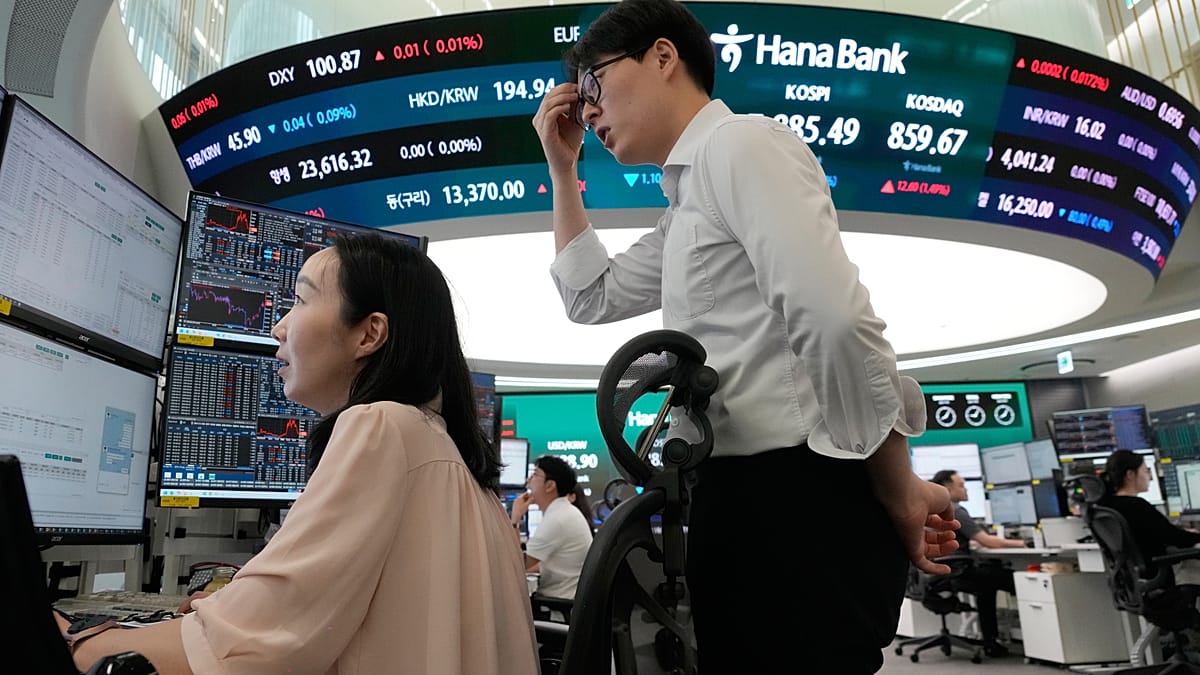
The sell-off also dragged down Samsung’s domestic rival SK Hynix and the wider Kospi index, underscoring the sector’s volatility. In a sign of the times, Asian markets rallied on a Dow record but chip stocks remained volatile, reflecting the tension between AI optimism and cyclical fears.
As Samsung prepares to publish its full breakdown, the question for investors on both sides of the Atlantic is whether the memory boom has legs — or whether the industry is once again heading for a downturn. For now, the market has voted with its feet.